


Egypt’s food industry has achieved a remarkable milestone this year, with exports growing by 11% to surpass $5.8 billion. This surge reflects not only the resilience of the sector but also the increasing global demand for high-quality Egyptian food products. From fresh produce to processed foods, Egypt’s food exports are gaining recognition in markets worldwide, marking a new era of growth and opportunity.
Driving Forces Behind the Export Growth
Several factors have contributed to this impressive expansion in Egypt’s food industry. The government’s strategic initiatives to promote agricultural development and modernize food processing have played a key role. Investments in infrastructure, improved logistics, and enhanced quality standards have helped Egyptian products meet international requirements.
Additionally, the country’s diverse agricultural output, ranging from fruits and vegetables to cereals and legumes, has allowed exporters to cater to a wide range of global markets. The strategic location of Egypt, connecting Africa, Europe, and the Middle East, further strengthens its position as a food export hub.
Rising Global Demand for Egyptian Products
Egyptian food products are increasingly sought after in international markets due to their quality, variety, and competitive pricing. Fruits such as oranges, grapes, and strawberries have seen growing demand, while processed goods like juices, canned vegetables, and dairy products are gaining popularity.
Countries in the Middle East, Europe, and Asia have become key destinations for Egyptian exports. This trend is expected to continue as Egypt enhances its trade partnerships and leverages international trade agreements.
Key Sectors Contributing to Export Growth
The surge in food exports is not limited to one sector; it spans multiple areas of Egypt’s food industry.
Fresh Produce
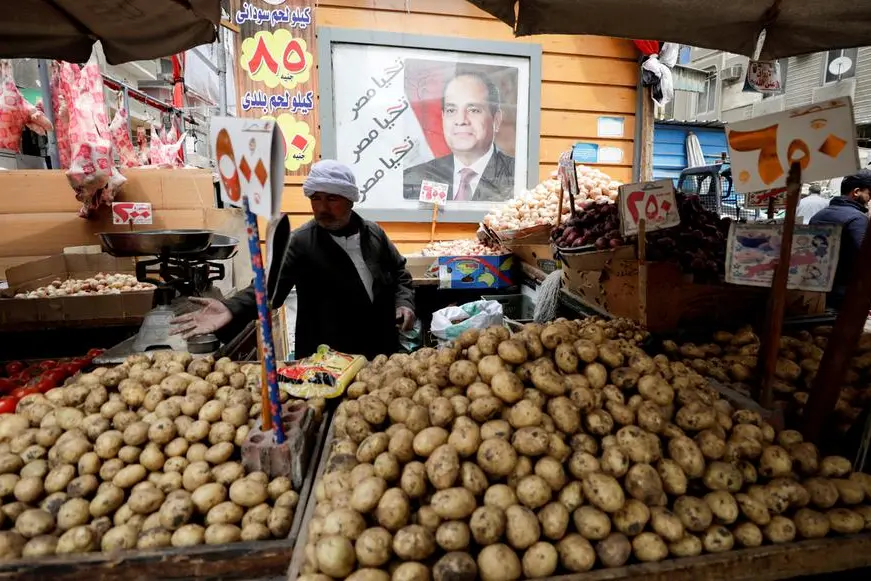
Fresh fruits and vegetables remain at the forefront of Egypt’s export growth. Advanced farming techniques, including the use of greenhouses and precision agriculture, have improved yield and quality. This has allowed Egypt to consistently supply fresh produce to international markets, even during off-seasons.
Processed Foods
Processed food products have witnessed a remarkable increase in demand. Egyptian companies are investing in modern production facilities, adopting international quality certifications, and expanding their product portfolios. This includes canned goods, packaged snacks, dairy products, and frozen foods, all of which are meeting the growing expectations of global consumers.
Agricultural Commodities
Staple agricultural commodities such as rice, wheat, and legumes continue to be strong contributors to export revenues. Improved storage facilities and efficient transportation networks have ensured timely delivery and preserved product quality, strengthening Egypt’s reputation as a reliable supplier.
Government Support and Strategic Initiatives
The Egyptian government has played a pivotal role in promoting the food export sector. Strategic policies have focused on increasing production capacity, supporting exporters, and enhancing market access. Initiatives include financial incentives, export promotion programs, and participation in international trade fairs.
Moreover, efforts to standardize quality, improve packaging, and comply with international certifications have helped Egyptian products gain a competitive edge in global markets. This commitment to excellence is reflected in the growing recognition and trust that international buyers have in Egyptian food products.
Export Infrastructure and Logistics
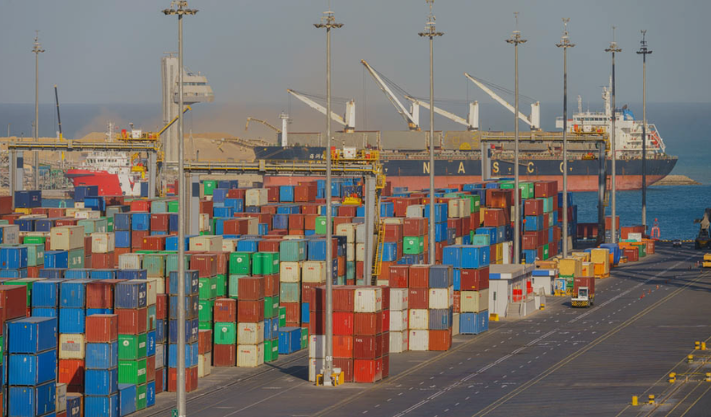
Efficient infrastructure and logistics are crucial for sustaining export growth. Egypt has invested in upgrading ports, cold storage facilities, and transport networks, ensuring products reach markets in optimal condition. Technological advancements in supply chain management and traceability further enhance the credibility of Egyptian exports.
Market Diversification
Expanding into new markets has also contributed to the 11% surge in exports. Egyptian exporters are actively seeking opportunities beyond traditional markets, exploring emerging economies with rising demand for food products. This diversification reduces dependency on a single market and strengthens the resilience of the sector.
Challenges and Opportunities
Despite the impressive growth, Egypt’s food industry faces challenges, including fluctuating global commodity prices, competition from other countries, and the need to maintain high standards consistently.
However, these challenges also present opportunities. By investing in research and development, adopting sustainable practices, and leveraging digital technologies, Egyptian exporters can continue to innovate and maintain a competitive edge. The growing global focus on healthy, organic, and sustainably produced foods aligns well with Egypt’s potential to offer high-quality agricultural products.
Innovation and Technology Adoption
The integration of modern technology in farming and food processing has been a game-changer. Innovations such as automated sorting, smart irrigation systems, and advanced packaging solutions have enhanced productivity, reduced waste, and improved product quality.
Sustainability and Export Potential
Sustainability is increasingly important for global buyers. Egyptian exporters are adopting environmentally friendly practices, such as reduced pesticide use, efficient water management, and eco-friendly packaging. These measures not only appeal to conscious consumers but also position Egypt as a responsible supplier in international markets.
The Road Ahead
With a robust foundation and growing international recognition, Egypt’s food industry is poised for continued expansion. The 11% growth in exports this year is just the beginning, signaling a promising trajectory for the sector.
Future prospects include further diversification of products, deeper penetration into high-value markets, and strengthened trade partnerships. By continuing to innovate, maintain quality, and embrace sustainable practices, Egypt can establish itself as a global leader in the food industry.
Empowering Local Producers
The growth of exports also has a positive impact on local farmers and producers. Increased demand for Egyptian products translates into higher income, job creation, and improved livelihoods for communities across the country. Supporting local talent, providing training, and investing in rural infrastructure are essential to sustaining this positive impact.
Enhancing Egypt’s Global Reputation
Beyond economic benefits, the rise in food exports enhances Egypt’s global image as a reliable and quality-conscious producer. This reputation opens doors for other industries and strengthens the country’s overall trade potential.
Conclusion
Egypt’s food industry is witnessing an extraordinary phase of growth, with exports exceeding $5.8 billion this year, up 11% from previous figures. Driven by government support, innovation, market diversification, and increasing global demand, the sector has emerged as a key contributor to the national economy.
By continuing to invest in quality, sustainability, and technological advancement, Egypt is not only boosting its food exports but also creating a lasting impact on communities and solidifying its position in the global food market. The journey of growth and opportunity has only just begun, promising an exciting future for Egypt’s food industry.
Do follow Gulf Magazine on Instagram.
Also Read – Experience the Magic of Saudi Arabia via AlUla Arts Festival 2026

