


Hospitality in Kuwait is not merely a social gesture it is a living reflection of the nation’s identity, values, and soul. Deeply rooted in Arab traditions and Islamic teachings, the Kuwaiti way of welcoming guests has evolved from its Bedouin origins to become one of the country’s most defining cultural traits. It is through acts of generosity, warmth, and genuine care that Kuwait expresses who it is as a nation a society built on respect, unity, and kindness.
The essence of Kuwaiti hospitality lies in making guests feel not just welcomed but honored. Whether one visits a Kuwaiti home, attends a traditional Diwaniya, or walks into a café, there is an undeniable sense of belonging that fills the air. This spirit of giving and receiving graciously is what makes Kuwaiti culture both unique and timeless.
The Historical Roots of Kuwaiti Hospitality
Long before the discovery of oil transformed Kuwait into a modern state, it was a humble desert society. The Bedouin tribes who once roamed these lands lived by a strict moral code of generosity and protection. In the harsh desert, survival depended on community and cooperation, and no traveler was ever turned away. Offering water, food, and shelter to strangers became not just an act of kindness but a sacred duty.
These ancient customs laid the foundation for Kuwait’s national character. The old Bedouin belief that “a guest is a gift from God” continues to influence how Kuwaitis interact with others today. The same traditions that sustained life in the desert now sustain Kuwait’s social harmony, reinforcing respect and empathy as the cornerstones of the nation’s identity.
The Symbolism of Coffee and Dates
In Kuwaiti culture, hospitality begins the moment a guest enters the home. The offering of Arabic coffee, known as gahwa, and dates is not just a refreshment but a ritual rich with meaning. The host pours the coffee with the right hand, always beginning with the most respected guest, and refills the cup until the visitor signals they are satisfied by shaking it gently.
The preparation of gahwa itself is a gesture of love it involves patience, attention to detail, and care. The aroma of freshly brewed coffee, infused with cardamom, often fills Kuwaiti homes, symbolizing warmth and connection. Dates, traditionally served alongside the coffee, represent sweetness and abundance.
Through these small acts, Kuwaitis express deep respect and goodwill. It is a way of saying, “You are welcome here. You are part of our family.”
Diwaniya: The Heartbeat of Kuwaiti Social Life
One cannot speak of Kuwaiti hospitality without mentioning the Diwaniya. This age-old tradition, deeply embedded in Kuwaiti culture, is a gathering space where men (and increasingly women in modern times) come together to talk, exchange ideas, and strengthen community ties.
The Diwaniya is more than a physical space it is an institution that symbolizes openness, equality, and respect for dialogue. Guests are treated with utmost courtesy, offered refreshments, and encouraged to share their opinions freely. Whether the discussion revolves around politics, business, or daily life, the Diwaniya fosters a sense of belonging that transcends social class or background.
In modern Kuwait, Diwaniyas have evolved to accommodate diverse interests some focus on culture, others on sports or education but the heart of the tradition remains unchanged: generosity of spirit and respect for others. This enduring custom stands as one of the clearest reflections of Kuwait’s national character.
Women and the Spirit of Kuwaiti Hospitality
While the Diwaniya is often seen as a male domain, women play an equally important role in preserving and expressing the essence of Kuwaiti hospitality. From preparing elaborate meals to hosting family gatherings, Kuwaiti women are the silent guardians of tradition.
Their attention to detail, from setting the dining table beautifully to serving guests personally, reflects an inherent pride in caring for others. These acts of kindness are not performed out of obligation but from a deep-seated sense of joy in giving.
Modern Kuwaiti women continue to blend tradition with modernity. In cafes, homes, and workplaces, they extend the same generosity that has long defined their culture demonstrating that hospitality is not confined to the home but woven into every interaction in society.
The Influence of Religion on Kuwaiti Hospitality
Islam plays a central role in shaping Kuwait’s values of kindness and generosity. The Quran emphasizes compassion, charity, and respect for guests, and these teachings are deeply ingrained in Kuwaiti life. During the holy month of Ramadan, for example, hospitality takes on an even greater significance. Families open their doors to neighbors, friends, and strangers alike, sharing iftar meals with those in need.
This spiritual dimension of hospitality reinforces the belief that generosity brings blessings, both to the giver and the receiver. The act of sharing food, offering comfort, or providing assistance becomes a form of worship an expression of gratitude toward God.
Thus, Kuwaiti hospitality is not only cultural but also spiritual, connecting moral values with everyday practices.
Modern Expressions of Traditional Generosity
Kuwait’s rapid modernization and global exposure have not diminished its hospitality; rather, they have redefined it in new forms. In a society that now embraces international business, tourism, and technology, hospitality has extended beyond homes and Diwaniyas into hotels, restaurants, and public life.
Luxury hotels and cultural centers across Kuwait showcase traditional architecture, design, and service rooted in local values. Staff are trained not just in etiquette but in embodying the warmth and care that characterize Kuwaiti hospitality. Even in modern offices, the first thing offered to a visitor is often a cup of Arabic coffee a small but powerful reminder that tradition lives on.
Social media has also become a platform where Kuwaitis display generosity. Influencers and public figures often use their reach to promote charitable causes, help those in need, or celebrate acts of kindness further strengthening the bond between hospitality and national identity.
The Role of Food in Kuwaiti Hospitality
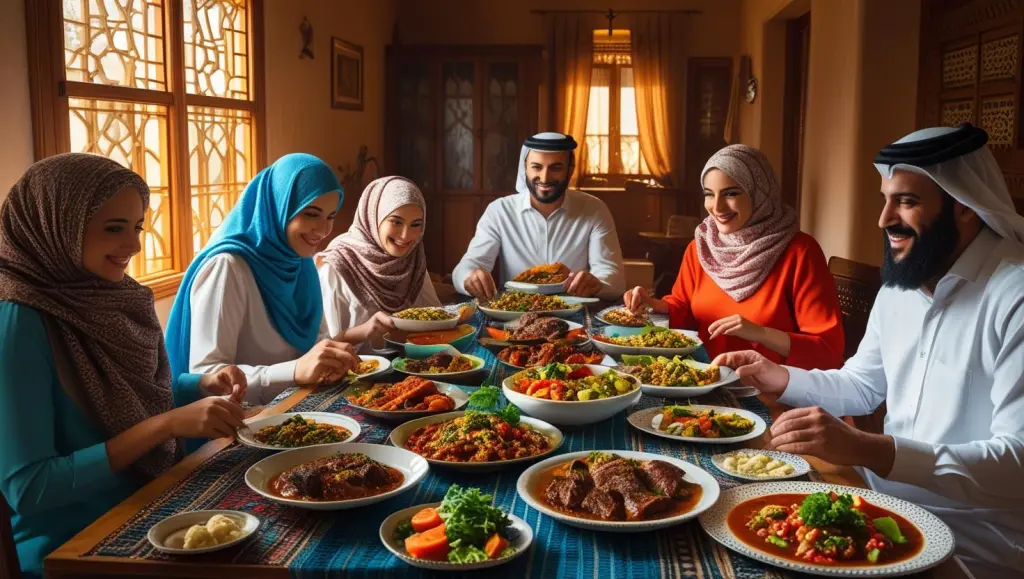
Food holds a sacred place in Kuwaiti culture. Sharing a meal is one of the most profound ways to express friendship and love. Traditional dishes like machboos (spiced rice with meat or fish), harees (a slow-cooked wheat and meat dish), and margoog (vegetable stew) carry not just flavor but history and identity.
In Kuwaiti homes, the dining table is a place of unity. Guests are always encouraged to eat heartily, and refusing food is considered impolite. The abundance of dishes served at gatherings reflects not extravagance but a deep desire to honor the guest.
Even at large public events or community celebrations, food remains the centerpiece a reminder that generosity in Kuwait is not about wealth, but about the heart.

Hospitality as a Bridge Between Cultures
Kuwait’s population is diverse, with expatriates forming a large part of society. This multicultural environment has enriched the concept of hospitality, making it more inclusive and adaptive. Kuwaitis take pride in welcoming people from all backgrounds, offering them respect and understanding.
Through daily interactions in workplaces, markets, and schools, Kuwait’s culture of hospitality becomes a bridge that connects locals and foreigners. It encourages dialogue, reduces cultural barriers, and fosters a sense of shared humanity.
This openness has also enhanced Kuwait’s global reputation as a peaceful and generous nation. Tourists often remark on the warmth of the people, the ease with which conversations begin, and the sincerity with which they are treated. Such experiences go beyond tourism they shape how the world perceives Kuwait.
Preserving Tradition in a Changing World
As Kuwait continues to modernize, there is a growing awareness of the need to preserve traditional hospitality. Families teach younger generations the importance of manners, generosity, and cultural pride. Schools and cultural programs often emphasize national identity through lessons about heritage, including the customs of greeting guests and sharing meals.
Government initiatives and local organizations also play a part in keeping these values alive by promoting community events, heritage festivals, and public outreach that highlight the beauty of Kuwaiti traditions.
Yet, the most powerful preservation happens in everyday life in the small gestures that occur naturally: a smile to a stranger, a cup of coffee offered at a meeting, or a kind word shared with a visitor.
Hospitality as a Symbol of National Unity
Kuwait’s hospitality is not only a reflection of its culture but also a source of national unity. In times of hardship, such as natural disasters or regional conflicts, Kuwaitis have consistently come together to support one another and extend help to those beyond their borders.
This sense of collective compassion reveals how deeply ingrained generosity is in the Kuwaiti identity. It transcends religion, tribe, or social status and speaks to a shared belief that kindness strengthens the nation.
Hospitality, therefore, is more than tradition it is a unifying force that reminds every Kuwaiti of their roots and responsibilities.
The Global Legacy of Kuwaiti Hospitality
As Kuwait continues to engage with the world, it carries its legacy of hospitality as a symbol of soft power and cultural diplomacy. Delegates, travelers, and expatriates who experience Kuwait’s warmth often become ambassadors of its culture, sharing stories of kindness and generosity that travel far beyond its borders.
This global recognition not only enhances Kuwait’s image but also preserves its identity in an increasingly interconnected world. The more Kuwait opens its doors, the stronger its cultural roots grow, proving that true hospitality never fades it only evolves.
Conclusion: The Heartbeat of a Nation
Kuwaiti hospitality is more than an old tradition it is the living heart of the nation’s identity. From the pouring of Arabic coffee to the gatherings in Diwaniyas, from the kindness shown to strangers to the generosity extended across borders, every act of hospitality carries a piece of Kuwait’s soul.
It is a reminder that even in a modern, fast-changing world, warmth, respect, and compassion remain timeless values. Kuwait’s people continue to define their nation not through wealth or power, but through the simple, profound act of caring for others.
In the end, hospitality is not just what Kuwait does] it is who Kuwait is. A nation built on generosity, shaped by kindness, and defined by the spirit of giving that lives in every home, every heart, and every greeting shared with a smile.
Do follow Gulf Magazine on Instagram.
Also Read – Discover Kuwait’s Rich Cultural Heritage and Timeless Traditions

