


In an era marked by rapid technological advancements and increasing urbanization, emerging smart cities and sustainable urban transformation are gaining momentum. These cities are not just about high-tech solutions; they embody a holistic approach to urban living that prioritizes sustainability, efficiency, and quality of life. As more cities around the globe adopt smart technologies, the potential for creating better urban environments becomes increasingly tangible.
The Rise of Smart Cities: A Game-Changer for Urban Living
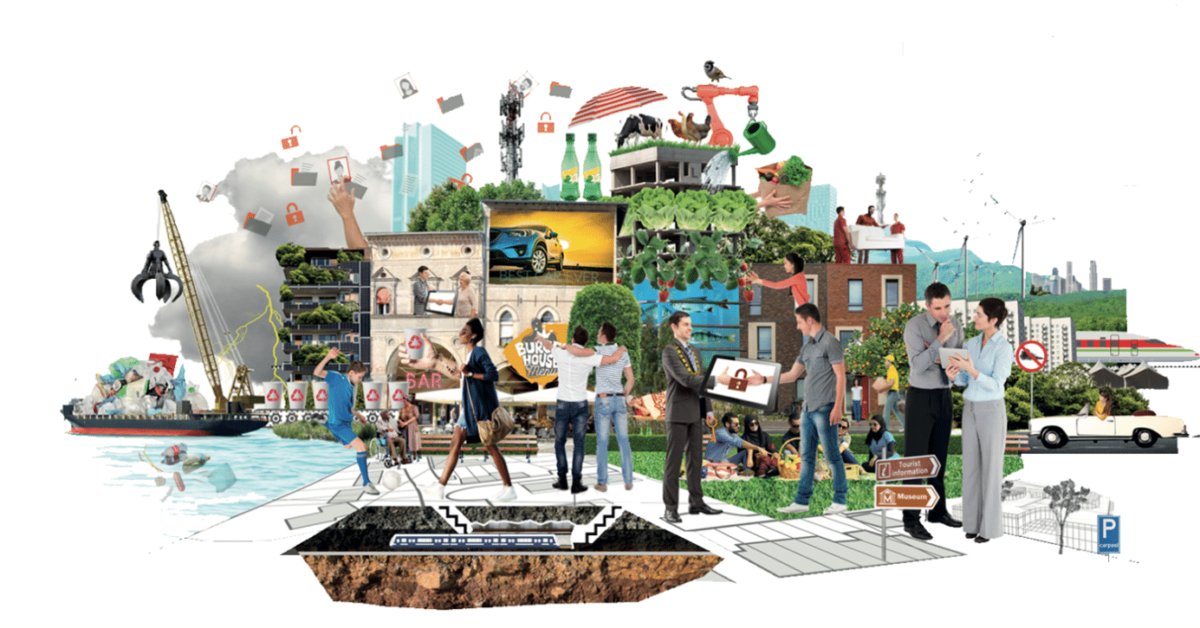
Smart cities utilize technology to enhance the quality of life for their residents while reducing their environmental footprint. By integrating the Internet of Things (IoT), data analytics, and intelligent design, these urban areas can monitor and manage resources more effectively. The emphasis is on creating a sustainable ecosystem that benefits both the inhabitants and the planet.
Why Sustainability Matters in Urban Transformation
Sustainability is no longer a choice but a necessity for urban areas facing challenges such as climate change, population growth, and resource scarcity. Emerging smart cities focus on sustainable practices to address these issues head-on. Here’s why sustainability is crucial:
Resource Efficiency: Smart cities optimize resource use, ensuring that water, energy, and materials are consumed wisely.
Reduced Carbon Footprint: By promoting public transport, renewable energy, and green spaces, these cities aim to lower greenhouse gas emissions.
Enhanced Lifestyle: Sustainable urban designs lead to healthier living environments, encouraging outdoor activities and community engagement.
Unveiling the Key Technologies Behind Smart Cities
The backbone of emerging smart cities and sustainable urban transformation lies in innovative technologies. Here are some key components that drive this evolution:
Smart Infrastructure: Building the Future
Smart infrastructure includes advanced transportation systems, smart grids, and efficient waste management. These systems leverage technology to gather data, providing insights that lead to better decision-making and resource management.
IoT and Data Analytics: The Brains of Smart Cities
IoT devices collect real-time data from various city sectors. This data is analyzed to improve services, predict traffic patterns, and manage utility usage, all of which contribute to a more sustainable urban environment.
Renewable Energy Sources: Powering Smart Cities
Integrating renewable energy sources, such as solar and wind power, is vital for sustainable urban transformation. Smart cities aim to reduce reliance on fossil fuels, promoting energy efficiency and sustainability.
How Emerging Smart Cities Are Tackling Urban Challenges
Emerging smart cities face significant challenges, but their innovative approaches are paving the way for solutions:
Traffic Management: Reducing Congestion and Emissions
Smart traffic systems use real-time data to manage congestion, optimizing traffic flow and reducing emissions. These systems can adapt to changing conditions, ensuring smoother commutes.
Waste Management: A Cleaner Urban Environment
Smart waste management systems use sensors to monitor waste levels, optimizing collection routes and reducing operational costs. This efficiency leads to cleaner streets and a more sustainable waste disposal process.
Water Conservation: Protecting Our Most Vital Resource
Smart water management systems monitor usage and identify leaks in real-time. By conserving water, cities can ensure a sustainable supply for future generations.
The Role of Community Engagement in Smart City Development
For smart cities to thrive, community engagement is essential. Residents need to be active participants in the transformation process. Here’s how cities can foster this involvement:
Transparency and Communication
Open lines of communication between city officials and residents encourage trust and collaboration. By keeping citizens informed about initiatives, cities can gather valuable feedback that shapes future projects.
Educational Programs: Empowering Residents
Education plays a critical role in helping residents understand the benefits of smart technologies and sustainable practices. Workshops, seminars, and community events can empower citizens to embrace the changes happening in their neighborhoods.
Citizen Participation: Shaping Urban Spaces Together
Encouraging citizen participation in decision-making processes allows communities to have a voice in their urban environments. This involvement leads to solutions that reflect the needs and desires of the residents.
The Future of Emerging Smart Cities: What Lies Ahead?
The future of emerging smart cities and sustainable urban transformation is bright, but it requires commitment and collaboration from all stakeholders. Here are a few trends that may define the next phase of urban development:
Integration of AI and Machine Learning
Artificial intelligence and machine learning are set to play a pivotal role in optimizing city operations. From predictive maintenance of infrastructure to smart energy management, these technologies will help cities evolve further.
Focus on Circular Economy
Adopting a circular economy approach will enhance sustainability efforts. This involves rethinking waste as a resource, promoting recycling, and designing products for longevity.
Enhanced Resilience Against Climate Change
Emerging smart cities are increasingly focusing on resilience strategies to combat climate change. By investing in green infrastructure and adaptive designs, cities can better withstand environmental challenges.
Conclusion: Embracing the Change for a Sustainable Tomorrow
The journey towards emerging smart cities and sustainable urban transformation is not just about technology; it’s about creating a better quality of life for all urban residents. By prioritizing sustainability, engaging communities, and leveraging innovative solutions, cities can lead the way into a more sustainable and resilient future. The potential is limitless, and the time for action is now.
Do Follow Gulf Magazine on Instagram
Also read: Transformation of 4,000 factories with AI under Vision 2030

