

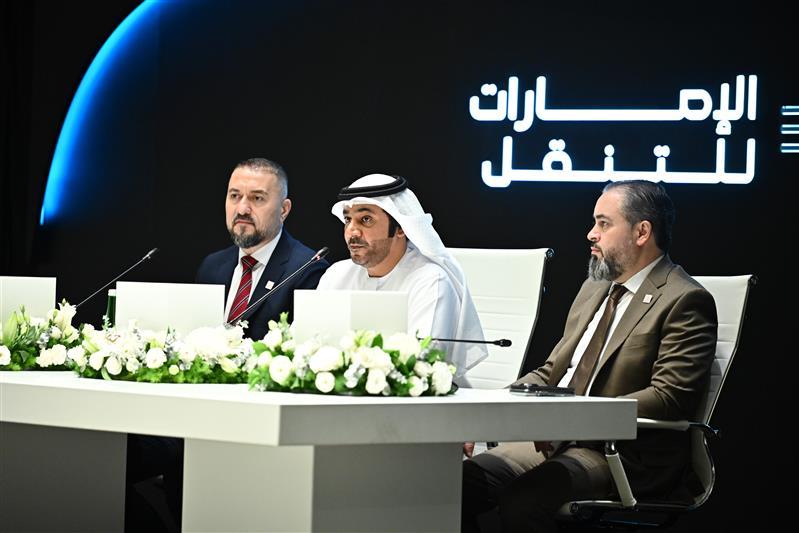
Emirates Mobility transition marks a bold new chapter in the UAE’s mobility landscape. The well‑known Emirates Driving Company has announced a strategic shift that will expand its focus beyond driving education into a larger, more dynamic mobility business. This major change represents a future‑focused transformation with wide‑reaching implications for transportation, technology, sustainability, and economic growth.
In this article, we explore what the Emirates Mobility transition involves, why it matters, and how it could reshape the way people and goods move in the UAE and beyond.
What Is the Emirates Mobility transition?
The Emirates Mobility transition refers to the strategic repositioning of Emirates Driving Company (EDC), Abu Dhabi’s leading driving education provider, into a broader mobility platform now known as Emirates Mobility. This move reflects the company’s ambition to go beyond traditional driver training to become a key player in the integrated mobility sector.
From its early days as a driving school focused on road safety and driver education, Emirates Driving Company is transforming into an enterprise that oversees a variety of transportation‑related services. Its goal is to build a diversified mobility ecosystem that includes public transport assets, electric mobility solutions, and other strategic investments.
Why the Transition Matters
The UAE has been investing heavily in the future of transport, pushing toward sustainability, smart systems, and innovation. Smart city projects and rapid urban growth mean that traditional transport models need to evolve. The Emirates Mobility transition supports these national objectives by creating a platform that can adapt to future mobility needs.
Here are some reasons why this change is significant:
1. Aligning With National Mobility Vision
The UAE has long championed smart transport, electric mobility, and technology‑driven services. Transitioning into Emirates Mobility helps position the company to support these efforts, joining other strategic public and private initiatives geared toward making transport safer, cleaner, and more efficient.
2. Expanding Beyond Driving Training
Emirates Driving Company has a strong legacy in driver education. But mobility today goes far beyond teaching people how to drive. It includes public transport, fleet management, electric charging networks, advanced logistics, and digital platforms that integrate diverse transport services. Becoming Emirates Mobility means the company can explore and invest in all of these areas.
3. Supporting Economic Growth
The transition may also boost economic development by creating new business opportunities, attracting investment, and delivering long‑term value for shareholders. EDC’s major shareholder, the 2PointZero Group, sees strategic value in building sector‑focused platforms that can grow sustainably over time.
The Strategic Shift Explained
At the heart of the Emirates Mobility transition is a deliberate strategy to reorganize the company’s structure and assets in ways that support broader mobility goals.
From Operational Business to Governance Platform
Emirates Mobility will act as a governance and oversight platform that manages a growing portfolio of mobility‑related assets. These may include companies and investments in transportation, electric mobility solutions, and technology‑enabled services.
This structural change moves the company away from being a purely operational entity into one that sets strategies, manages stakeholders, and directs growth across related businesses.
Strategic Investments and Partnerships
Part of the transition includes investments in companies that expand the company’s reach and capabilities. For example:
- Emirates Driving Company recently acquired a 22.5% stake in Mwasalat Holding, a major mobility company in the UAE that operates a large fleet of buses, taxis, and corporate vehicles.
- The company also has the option to raise its ownership in Mwasalat to 50.6%, which would give it greater influence and control over a major segment of UAE transport services.
These investments are part of a broader mobility strategy that supports diversification, innovation, and long‑term growth.
Integrated Mobility Solutions
The vision behind Emirates Mobility goes beyond individual services, aiming for an integrated ecosystem where transportation modes and services work together seamlessly. Electric vehicle networks, shared mobility platforms, data systems, and advanced logistics are all part of this integrated future.
For example, partnerships in electric mobility and smart infrastructure can help support EV charging networks or digital platforms that connect riders to multiple services in a single experience.
What This Means for the UAE Mobility Sector
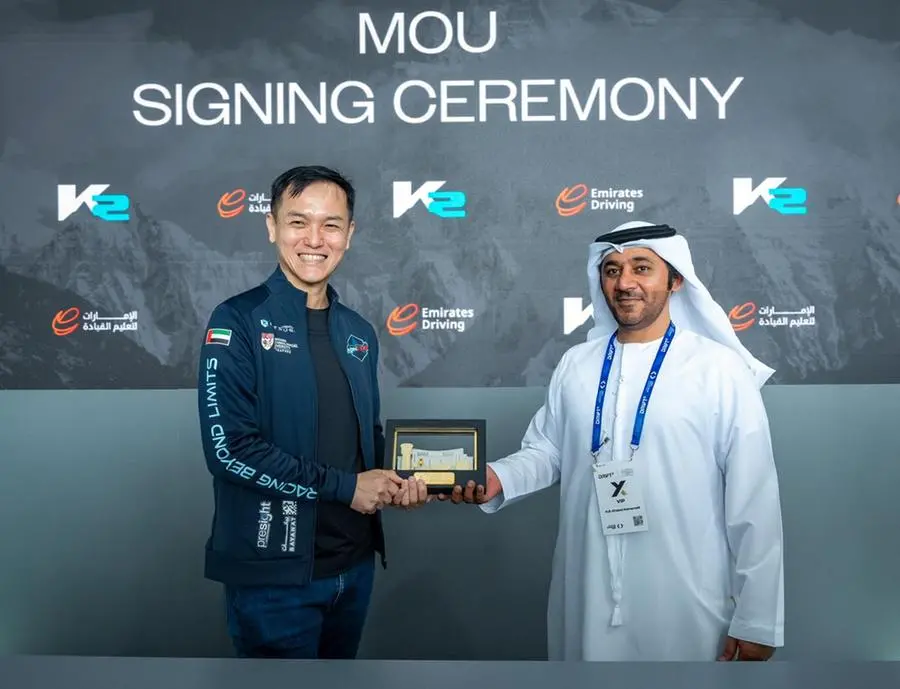
The Emirates Mobility transition could have several important effects on the UAE’s transportation ecosystem:
1. Acceleration of Smart Mobility Initiatives
As Emirates Mobility development progresses, it could accelerate the adoption of smart mobility technologies such as digital ticketing, on‑demand transport solutions, and integrated transport planning tools. These innovations make journeys easier, faster, and more environmentally friendly.
2. Enhanced Public Transport Services
Investments in companies like Mwasalat Holdings can lead to improvements and innovations in public transport service delivery. With strategic oversight from Emirates Mobility, the public transport network could become more efficient and responsive to customer needs.
3. Growth in Electric and Sustainable Transport
With global emphasis on reducing carbon emissions and promoting sustainability, electric mobility solutions are increasingly important. Emirates Mobility’s focus on electric vehicles, charging solutions, and related technologies can support the UAE’s climate goals and reduce dependency on fossil fuels.
4. Job Creation and Skill Development
Transforming into a broader mobility platform could create new roles, career paths, and skill development opportunities in fields such as technology, engineering, transport management, and customer service.
5. Faster Adoption of Technology
New innovations such as artificial intelligence, data analytics, smartphone platforms, and digital logistics tools could become part of the UAE’s mobility future as Emirates Mobility drives modernization efforts.
Leadership and Vision Behind the Change
Senior leaders from both Emirates Driving Company and its major shareholder 2PointZero Group have emphasized the importance of this transition.
Samia Bouazza, CEO of 2PointZero Group, described the change as a strategic step toward building scalable platforms that consolidate key assets, improve capital efficiency, and generate long‑term returns.
Khaled Al Shemeili, CEO of Emirates Driving Company, said the move marks a “new chapter” – one that shifts the company from being just a service provider to becoming a strategic force in the mobility space. He highlighted the company’s aspiration to make Emirates Mobility a top destination for mobility solutions that enhance connections and support community development.
How It Affects Users and Businesses
While Emirates Mobility transition is a high‑level business strategy, it has real‑world implications for individuals and companies:
For Commuters
Commuters may eventually benefit from more options, better coordination among transport modes, and digital tools that make planning easier. Whether through improved public buses, shared electric vehicles, or integrated mobility apps, the experience of moving around cities could become faster and more efficient.
For Businesses
Companies in transport, logistics, tourism, and technology could find new opportunities for partnerships, services, and investment. A broader mobility ecosystem encourages innovation and investment in related sectors.
For Investors
Shareholders and potential investors may find Emirates Mobility’s diversified direction attractive, as it spreads risk across multiple revenue streams and aligns with future market trends.
Challenges and Considerations
No transformation of this scale is without challenges. Understanding and preparing for these can help Emirates Mobility maximize its potential.
Technological Integration
Bringing together different systems, platforms, and technologies into an integrated ecosystem requires careful planning and execution. Data sharing, cybersecurity, and user experience all need to be managed effectively.
Regulatory and Policy Alignment
Transportation and mobility services must comply with national and regional regulations. Emirates Mobility will need to work closely with government agencies and regulators to ensure seamless service delivery and legal compliance.
Change Management
Staff, partners, and stakeholders must adapt to new ways of working. Clear communication, planning, and support will be crucial to successful implementation.
Competition and Market Dynamics
The mobility sector is rapidly evolving, with many players entering fields like electric mobility, autonomous vehicles, and digital transport services. Emirates Mobility will need to stay competitive by continuing to innovate and differentiate its offerings.
Looking Ahead: What the Future Holds
The Emirates Mobility transition is more than a rebranding exercise. It signals a strategic pivot that embraces modern mobility needs and positions the company for long‑term relevance and growth.
With investments, partnerships, and a vision that extends far beyond traditional driver education, Emirates Mobility could become a key contributor to the future of transport not only in the UAE but across the Gulf region. Integrated services, sustainability goals, digital innovation, and customer‑centric solutions form the pillars of this evolving mobility landscape.
If executed well, this transition could set new standards for mobility platforms and inspire similar strategies in other regions.
Conclusion
The Emirates Mobility transition marks a historic evolution for one of the UAE’s most recognized transport companies. From training drivers to building a comprehensive mobility ecosystem, this strategic shift blends innovation, sustainability, investment, and growth. As the company expands its services and influence, it contributes to a future where transport is smarter, greener, more connected, and more efficient for communities across the Emirates and beyond.
In the years ahead, Emirates Mobility could be at the forefront of defining how people and goods travel in a world that increasingly values sustainability, technology, and seamless experiences.
Do follow Gulf Magazine on Instagram
Also Read – UAE Desert Safaris: Shocking Summer Changes You Must Know

