

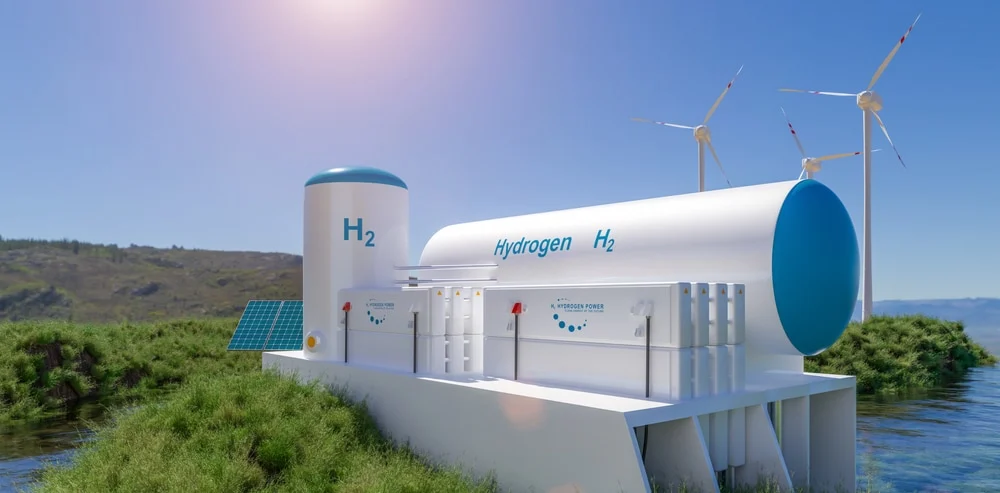
Oman is positioning itself at the forefront of the global energy transition with a strategic focus on hydrogen. Recognizing the rapidly changing energy markets, the Sultanate has embraced a vision that combines sustainability, economic diversification, and technological innovation. This approach is not only reshaping Oman’s energy sector but also redefining its role in the global hydrogen market.
Hydrogen, particularly green hydrogen, is gaining traction worldwide as countries aim to decarbonize their economies and meet climate targets. Oman’s strategy acknowledges this shift and leverages its unique geographic and resource advantages to become a regional leader in hydrogen production and export.
Understanding Oman’s Hydrogen Potential
Oman boasts vast renewable energy resources, particularly solar and wind, which are critical for the production of green hydrogen. These resources provide a stable and cost-effective foundation for large-scale hydrogen projects. Moreover, Oman’s strategic location along international shipping routes enables efficient distribution to key global markets in Asia and Europe.
The government’s vision is clear: to create a hydrogen economy that generates economic growth, supports job creation, and contributes to a sustainable energy future. By aligning hydrogen strategy with global market demands, Oman aims to attract foreign investment, foster technological partnerships, and stimulate domestic industrial development.
Market Shifts Driving the Hydrogen Strategy
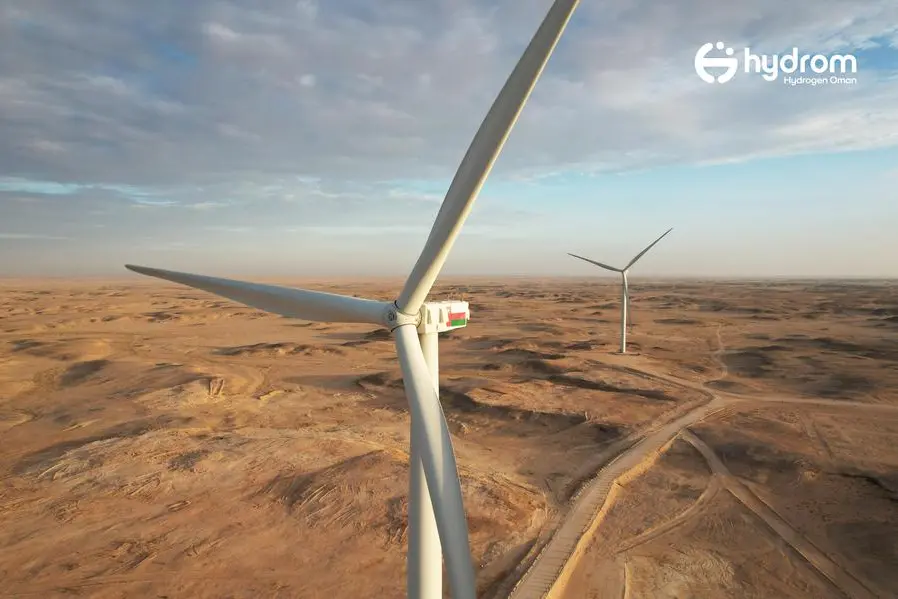
Global energy markets are undergoing significant changes. The world is moving away from fossil fuels and embracing cleaner energy alternatives. Countries are increasingly setting ambitious net-zero targets, and the demand for low-carbon hydrogen is projected to surge over the next decades.
Oman has closely monitored these trends. The strategy is designed not only to produce hydrogen efficiently but also to ensure it meets the evolving needs of global buyers. By focusing on both green and blue hydrogen production, Oman is positioning itself as a reliable and flexible supplier capable of adapting to market fluctuations.
Strategic Goals of Oman’s Hydrogen Vision
The Omani government has set ambitious goals for its hydrogen sector. These include establishing large-scale hydrogen production plants, developing export infrastructure, and encouraging private sector participation. The strategy emphasizes public-private partnerships and cross-border collaborations to accelerate project development and secure investment.
One key objective is the creation of a comprehensive hydrogen supply chain. From production to storage and transportation, Oman aims to build an integrated ecosystem that maximizes efficiency and minimizes costs. This approach will help position Oman competitively in the global hydrogen market.
Leveraging Renewable Energy for Hydrogen Production
Green hydrogen production relies heavily on renewable energy sources. Oman’s abundant sunlight and wind make it an ideal location for producing hydrogen sustainably. Solar farms and wind projects are being designed specifically to power electrolyzers that split water into hydrogen and oxygen.
By investing in renewable energy infrastructure, Oman is ensuring that its hydrogen production is not only economically viable but also environmentally responsible. This commitment strengthens the country’s reputation as a sustainable energy hub and attracts international stakeholders interested in low-carbon energy solutions.
Economic and Social Impacts of the Hydrogen Strategy
The hydrogen sector presents significant economic opportunities for Oman. Beyond export revenues, it is expected to create thousands of jobs, stimulate local industries, and encourage technological innovation. Training programs and educational initiatives are being developed to equip the workforce with the skills required for the hydrogen economy.
Socially, the strategy also contributes to Oman’s sustainable development goals. By fostering clean energy solutions, the country is reducing its carbon footprint and improving air quality. The initiative demonstrates Oman’s commitment to balancing economic growth with environmental stewardship.
International Collaborations and Partnerships
Global partnerships are a cornerstone of Oman’s hydrogen strategy. The government is engaging with international energy companies, technology providers, and research institutions to develop state-of-the-art hydrogen projects. These collaborations provide access to advanced technology, capital, and global markets.
By positioning itself as a reliable and forward-thinking partner, Oman is building a network of strategic alliances that enhance its competitiveness. International collaborations also accelerate knowledge transfer, enabling Oman to develop local expertise and build a resilient hydrogen ecosystem.
Challenges and Strategic Responses
Despite its potential, the hydrogen sector faces challenges. High production costs, technological uncertainties, and infrastructure requirements are key hurdles. Oman is addressing these challenges through policy frameworks, investment incentives, and research initiatives.
The government is also focused on regulatory clarity to attract investors and ensure smooth project execution. By providing a supportive environment, Oman aims to reduce risks and enhance the feasibility of large-scale hydrogen projects.
Future Outlook: Oman as a Hydrogen Leader
Oman’s hydrogen strategy is more than an energy initiative; it is a vision for the country’s future. As global demand for hydrogen grows, Oman is poised to become a major supplier, capitalizing on its renewable energy resources, strategic location, and forward-looking policies.
The development of hydrogen infrastructure will stimulate economic growth, create employment opportunities, and establish Oman as a sustainable energy leader. By aligning its hydrogen strategy with market shifts, the country is not only adapting to global trends but also shaping them.
Conclusion: A Sustainable and Prosperous Path Forward
Oman’s proactive approach to hydrogen demonstrates a clear understanding of the global energy landscape. By leveraging renewable energy, fostering international partnerships, and creating a robust supply chain, Oman is positioning itself as a key player in the hydrogen economy.
The strategy reflects a vision that balances economic growth, social development, and environmental responsibility. As Oman continues to invest in hydrogen, it sets an inspiring example for other nations looking to embrace sustainable energy solutions. The future is bright, and Oman’s hydrogen journey is paving the way for a cleaner, more prosperous tomorrow.
Do Follow Gulf Magazine on Instagram
Read More:- Iraq’s High-Level Visit Sparks Powerful Progress at WCC 2025

