

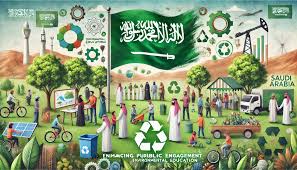
Environmental education in Saudi Arabia is becoming a critical part of the country’s vision for a sustainable future. By teaching children and young people about the environment from an early age, the Kingdom is preparing a generation that will think critically, act responsibly, and protect natural resources. This growing awareness is not just about climate change or pollution—it is about building a mindset that values nature and makes sustainability part of everyday life.
A New Vision for Education
Saudi Arabia’s Vision 2030 highlights the importance of sustainability and environmental awareness. As part of this national plan, environmental education is being added to school curriculums, community programs, and national campaigns. Government institutions, schools, and non-profit organizations are working together to create a culture where the environment matters.
This shift marks a major step in changing how the younger generation in Saudi Arabia views the natural world. From primary schools to universities, the focus is now on creating interactive lessons that include real-world environmental issues such as water conservation, desertification, recycling, and clean energy.
Starting Early for Lasting Impact
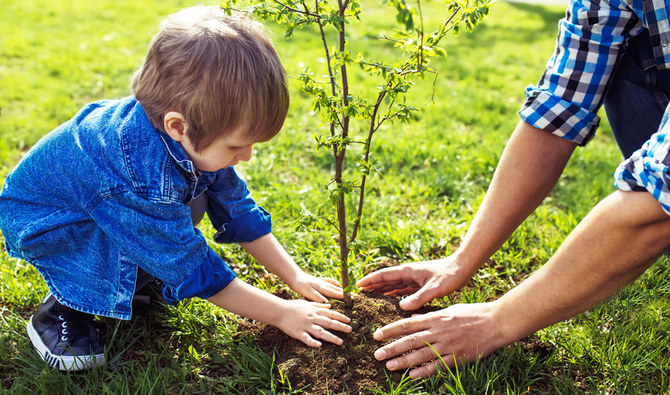
One of the biggest strengths of environmental education in Saudi Arabia is that it begins early. Children in elementary schools are now learning about climate, ecosystems, and pollution in simple, understandable ways. Through school programs, students take part in activities like planting trees, cleaning up beaches, and recycling drives.
This hands-on approach helps children develop emotional connections with nature. When they see the effects of pollution or understand how trees help clean the air, they become more likely to make responsible choices in their daily lives.
Studies show that early exposure to environmental topics builds strong habits. In Saudi Arabia, many schools have set up “green clubs” where students take part in environmental projects and even lead community awareness campaigns.
Role of Technology in Environmental Education
Technology is playing a major role in spreading environmental education in Saudi Arabia. With online platforms, virtual classrooms, and mobile apps, students can now learn through videos, games, and interactive lessons. Augmented reality and virtual reality tools are also being used to show students the effects of deforestation or pollution in a more engaging and real-life way.
These tools are especially helpful in remote areas, where traditional resources might not be easily available. Through technology, environmental education becomes more inclusive, accessible, and effective.
Government and NGO Support
The Saudi government is investing heavily in environmental awareness. The Ministry of Environment, Water and Agriculture often runs campaigns to educate people about water conservation, waste reduction, and animal protection. National programs such as the “Let’s Make it Green” initiative involve young volunteers in planting millions of trees across the Kingdom.
Non-governmental organizations (NGOs) are also working to promote environmental education. Groups like the Saudi Environmental Society and Green Horizons work with schools and universities to create workshops, field trips, and public awareness events.
Together, these partnerships between the government and civil society are helping environmental education reach every corner of Saudi Arabia.
A New Generation of Eco-Leaders
Thanks to environmental education, many young Saudis are now becoming leaders in sustainability. College students are starting eco-focused startups, high school students are joining international environmental competitions, and young influencers are using social media to promote green living.
This growing interest shows that environmental education is not just a subject in school—it’s becoming a lifestyle. Whether it’s using reusable bags, conserving water, or joining clean-up drives, more young people in Saudi Arabia are taking real steps to protect their environment.
Cultural and Religious Influence
In Saudi Arabia, religion and culture play a big role in shaping values. Environmental education often connects teachings of Islam with the importance of nature. Islamic values encourage people to care for the Earth, avoid waste, and protect animals. By combining religious teachings with modern environmental knowledge, educators are making the lessons more meaningful and relatable.
This approach helps ensure that students not only learn facts but also understand the moral and ethical responsibility to care for the planet.
Challenges Still Remain
Despite all the progress, there are still challenges. Some schools lack the resources or trained teachers to deliver effective environmental education. In rural areas, access to updated materials and programs is limited. Also, while awareness is growing, changing behaviors on a large scale takes time and effort.
There is a need for more teacher training, updated curriculums, and consistent monitoring of the programs to make sure they are reaching their goals.
The Road Ahead
Environmental education in Saudi Arabia is moving in the right direction. With continued government support, the use of technology, and strong public participation, the country is creating a generation that understands and values sustainability.
The focus keyword, environmental education in Saudi Arabia, is not just a trend—it is a necessary part of building a better future. The sooner children learn to respect and protect the environment, the more secure the Kingdom’s natural resources will be.
By raising awareness early, Saudi Arabia is making a strong investment—not just in its children, but in the planet they will inherit.
Also Read – 2025 Powerful Ways Saudi Schools Are Changing Education Forever

