

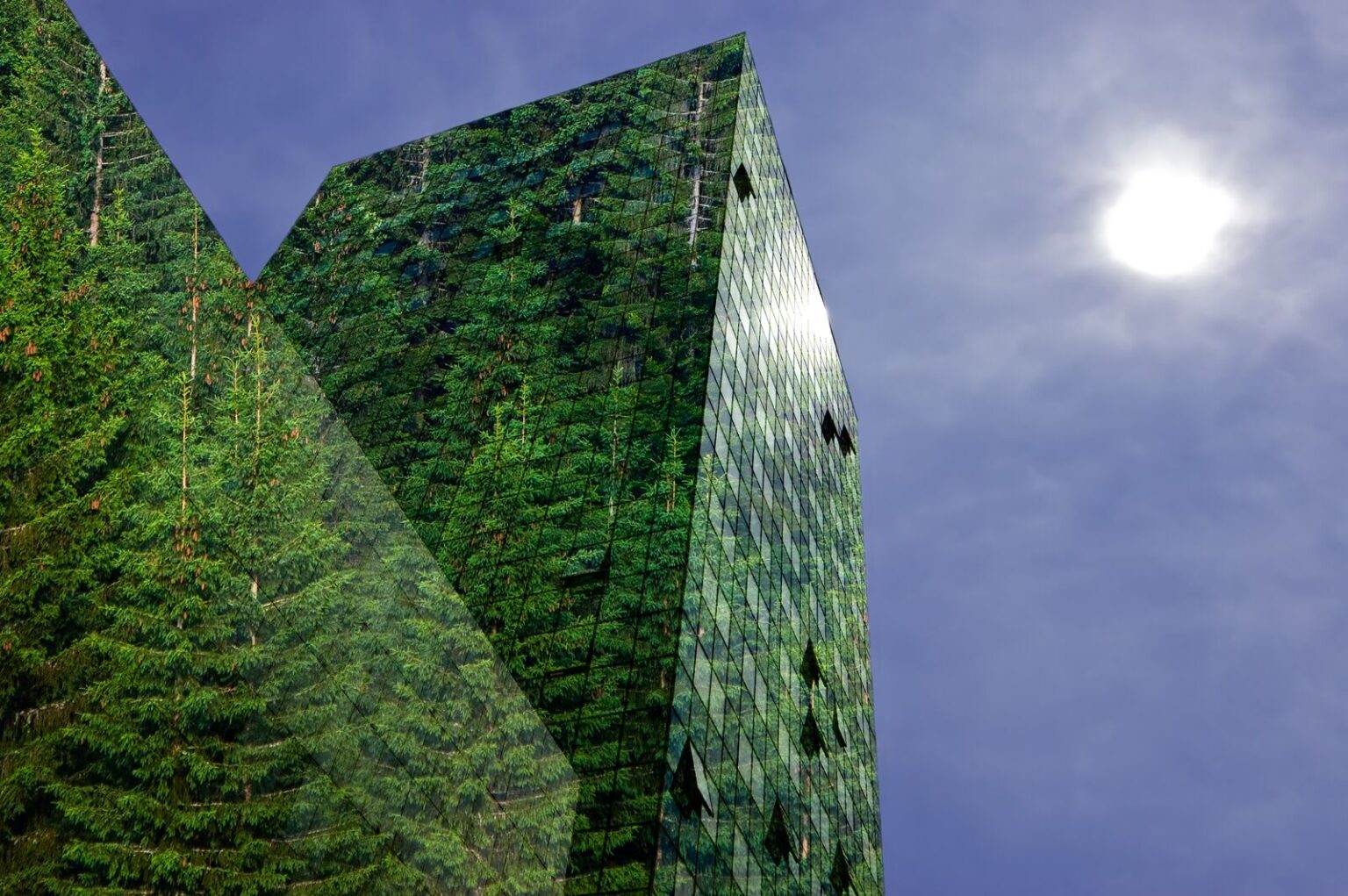
Oman is witnessing a significant shift in its construction landscape. With rising environmental awareness and global sustainability goals, developers and architects are seeking materials that not only ensure durability but also reduce ecological impact. EPS cement, an innovative blend of expanded polystyrene and cement, is emerging as a key player in reshaping Oman’s approach to green building.
As urbanization accelerates and new projects continue to spring up across the Sultanate, traditional construction materials are being re-evaluated. The focus is no longer solely on cost or structural strength. Environmental efficiency, energy conservation, and waste reduction have become equally critical. EPS cement addresses all these aspects, positioning itself as the future of sustainable construction in Oman.
Understanding EPS Cement
EPS cement is a composite material made by integrating expanded polystyrene beads into cement. This combination creates a lightweight, insulating, and highly durable building material. Unlike conventional concrete, EPS cement reduces the overall weight of structures, providing better seismic performance and making it easier to handle during construction.
One of the most significant advantages of EPS cement is its exceptional thermal insulation properties. Buildings constructed with EPS cement require less energy for heating or cooling, directly reducing carbon footprints and energy costs. This makes it a perfect fit for Oman’s climate, where temperature control is essential for comfort and efficiency.
Additionally, EPS cement demonstrates remarkable fire resistance and sound insulation, making it suitable for both residential and commercial projects. Its adaptability allows architects and engineers to experiment with modern designs without compromising sustainability.
Driving Energy Efficiency in Omani Buildings
Oman’s government and private developers are increasingly prioritizing energy efficiency in construction projects. Buildings consume a significant portion of energy in urban environments, and using materials like EPS cement can dramatically lower this consumption.
By improving insulation, EPS cement reduces dependency on air conditioning and heating systems. In Oman, where summer temperatures can soar, this translates into tangible energy savings and contributes to national sustainability goals. Residents experience enhanced comfort while developers benefit from long-term operational cost reductions.
Moreover, the lightweight nature of EPS cement allows for faster construction timelines. Reduced structural loads mean less use of steel and concrete for support, which further decreases environmental impact. This efficiency aligns perfectly with Oman’s vision for green urban development.
Innovations in Architectural Design
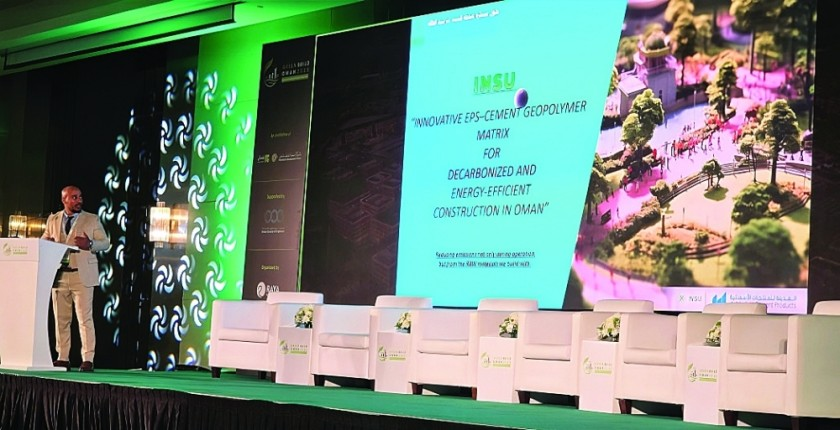
EPS cement is not just a sustainable choice—it also opens doors to architectural innovation. Its versatility allows the creation of intricate shapes, curved walls, and unique facades without extensive labor or machinery.
Architects in Oman are now experimenting with EPS cement to achieve modern, aesthetic designs that also prioritize energy efficiency. The material’s moldability supports creative freedom while adhering to green building principles. This blend of sustainability and design innovation is redefining what is possible in Oman’s urban landscape.
Developers are also discovering that EPS cement structures can be retrofitted or expanded with minimal disruption. Its lightweight composition enables easy modifications, making it ideal for adaptive reuse projects or future urban expansions.
Reducing Carbon Footprint Through Sustainable Construction
Construction is traditionally one of the largest contributors to carbon emissions. From cement production to transportation and on-site waste, the environmental cost of conventional building methods is significant. EPS cement mitigates many of these challenges.
The production process for EPS cement consumes less energy compared to standard concrete. Its lightweight nature reduces transportation emissions, as more material can be transported at once, and handling is easier on construction sites. Additionally, waste generated from EPS cement can be recycled, further enhancing its green credentials.
By adopting EPS cement, Omani builders contribute to the reduction of the construction industry’s carbon footprint. This aligns with global climate commitments and demonstrates a tangible commitment to sustainability.
Benefits for Developers and Residents
For developers, EPS cement offers a combination of economic and environmental benefits. Faster construction timelines reduce labor costs, and the material’s thermal insulation properties improve building energy ratings, enhancing long-term property value.
Residents also gain from improved indoor comfort and reduced energy bills. Buildings made with EPS cement maintain stable indoor temperatures, ensuring cooler interiors in the summer and warmer spaces in winter. The enhanced sound insulation provides a quieter, more peaceful living environment.
Additionally, the fire-resistant qualities of EPS cement contribute to building safety a critical concern in densely populated urban areas. These combined advantages make EPS cement a win-win solution for both builders and occupants.
Government Initiatives and Green Building Standards
Oman’s government has been actively promoting sustainable construction practices. Through policy initiatives, incentives, and awareness campaigns, authorities are encouraging the adoption of energy-efficient materials and designs. EPS cement fits perfectly within these guidelines, offering a practical solution to meet regulatory requirements and sustainability targets.
Green building certifications and rating systems are gaining traction in Oman. Buildings constructed with EPS cement are well-positioned to achieve high ratings, enhancing marketability and reinforcing corporate responsibility commitments for developers.
The Future of Green Building in Oman
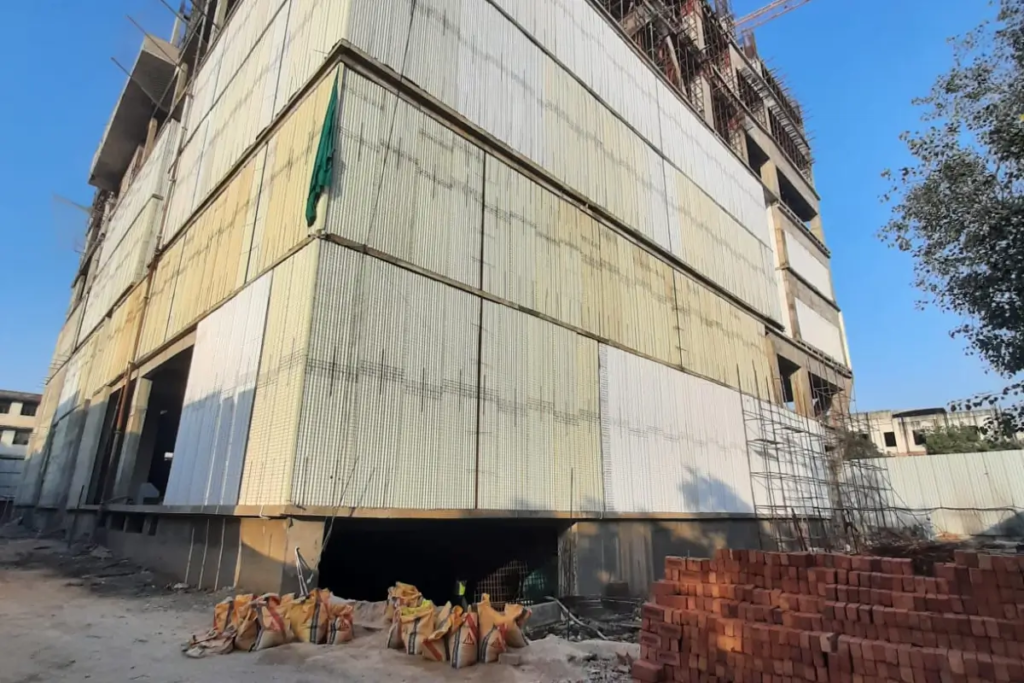
The adoption of EPS cement is more than just a trend it is a transformative shift in Oman’s construction sector. As developers, architects, and policymakers increasingly prioritize sustainability, EPS cement will play a central role in defining the nation’s green building landscape.
Oman’s cities are poised for a future where energy-efficient, environmentally responsible, and aesthetically pleasing buildings become the norm. EPS cement enables this vision, providing a material that balances performance, design, and sustainability.
Investing in EPS cement today is not just an investment in construction it is an investment in Oman’s future. A future where modern infrastructure coexists harmoniously with environmental stewardship and urban innovation.
Conclusion: EPS Cement as a Catalyst for Change
EPS cement is reshaping the way Oman approaches construction. Its unique properties lightweight, insulating, fire-resistant, and eco-friendly make it an ideal material for sustainable urban development. By embracing this innovation, Oman is setting new standards in green building, reducing environmental impact, and offering residents and developers superior value.
The journey of EPS cement in Oman demonstrates the power of innovation in tackling modern challenges. As more projects adopt this material, the Sultanate moves closer to its vision of a sustainable, resilient, and forward-looking construction sector.
EPS cement is not just building structures it is building a greener, smarter, and more sustainable Oman for generations to come.
Do follow Gulf Magazine on Instagram.
Also Read – Oman’s Tuna and Sardine Facility Becomes a Regional Leader

