

In light of ongoing geopolitical tensions and the urgent need for energy security, the International Energy Agency (IEA) has recommended that European countries phase out liquefied natural gas (LNG) imports from Russia and replace them with supplies from Qatar and other reliable sources by 2027. This strategic shift is expected to reduce Europe’s dependence on Russian energy, enhance energy resilience, and provide long-term stability in the region’s energy markets.
The Growing Dependence on Russian LNG
Despite efforts to reduce reliance on Russian energy following the 2022 invasion of Ukraine, Europe’s imports of Russian LNG have significantly increased. As of early 2024, Russian LNG accounts for roughly 20% of the European Union’s (EU) total LNG imports, a notable rise from 6% in 2023. This dependence has raised concerns about energy security, given the risks associated with relying on a supplier embroiled in geopolitical conflicts.
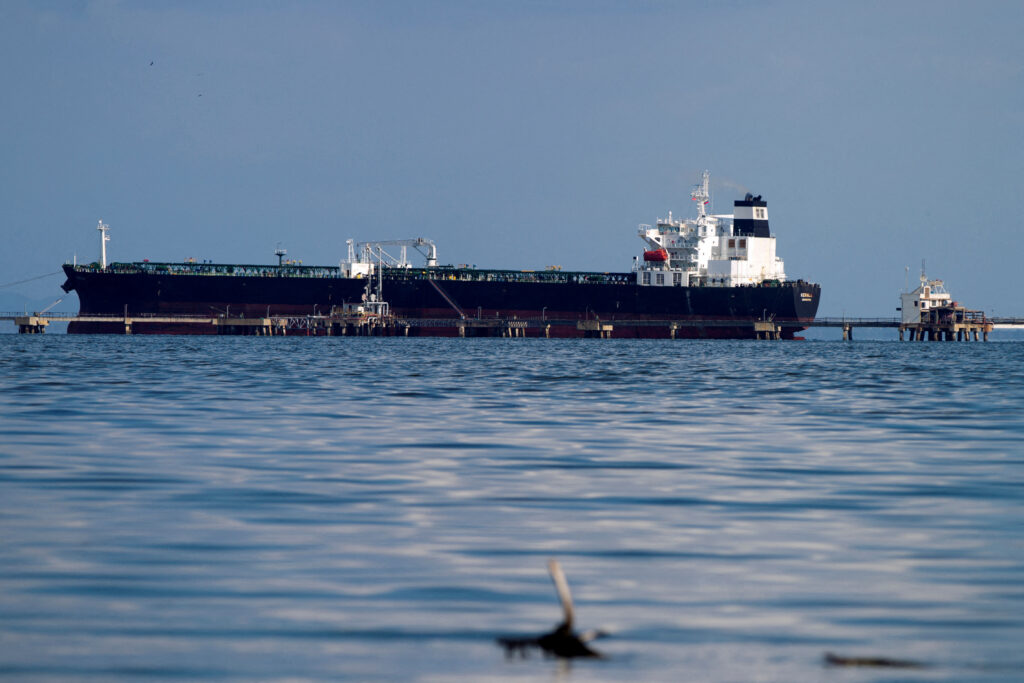
At the same time, the United States remains the EU’s largest LNG provider, contributing about 45% of total imports in 2023. Other major suppliers include Qatar, Algeria, and Norway. The EU has made significant strides in diversifying its energy sources, yet Russian LNG still plays a crucial role in meeting demand, especially in countries that lack direct access to alternative gas pipelines.
IEA’s Call for a Strategic Shift
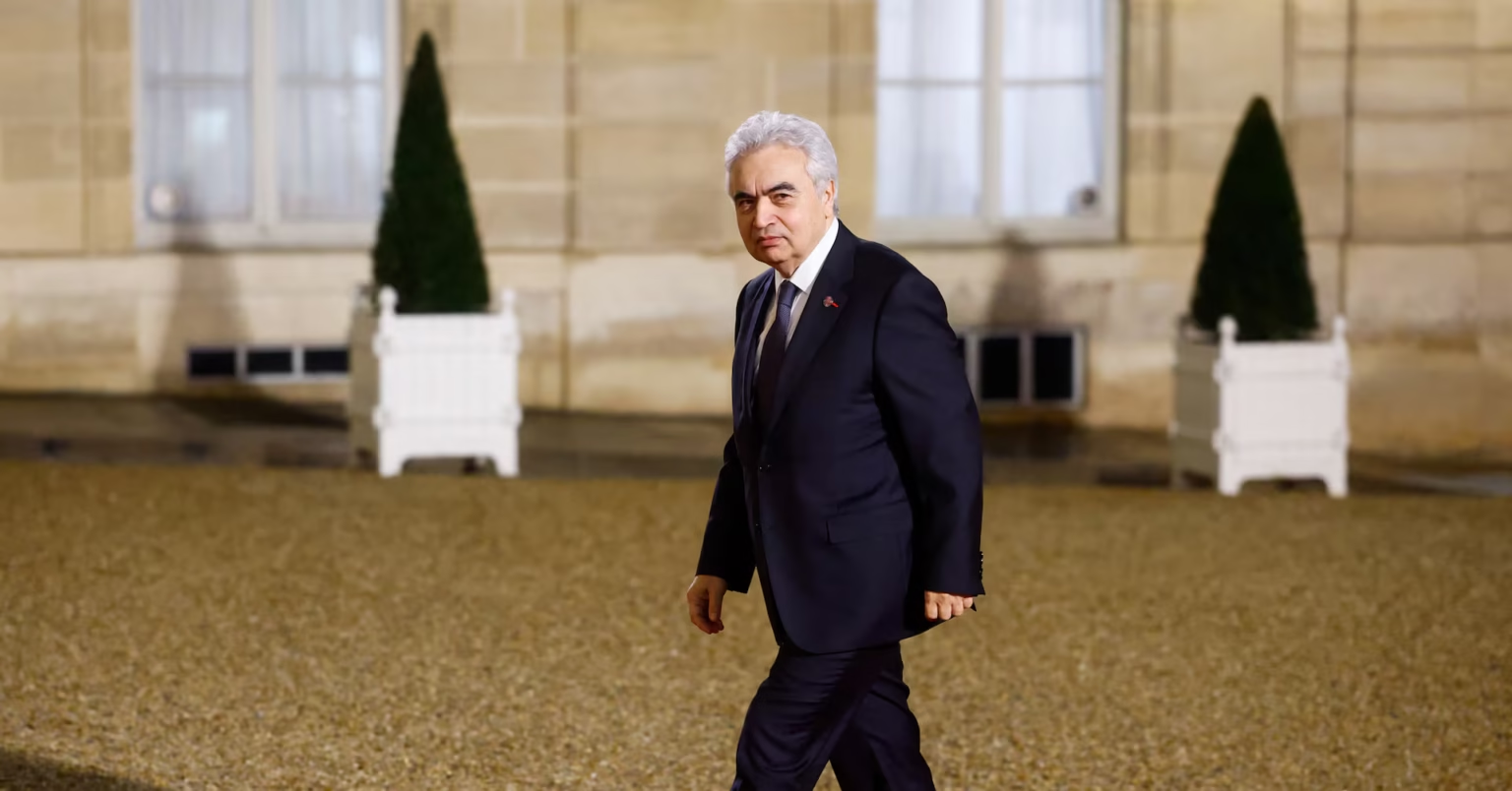
During the International Energy Week conference in London, IEA Executive Director Fatih Birol stressed the importance of energy diversification. He urged Europe to move away from Russian LNG by 2027, citing the anticipated increase in global LNG capacity from countries like Qatar and the United States. With major LNG projects set to become operational in the coming years, Europe will have viable alternatives to Russian supplies.
“By 2027, the global LNG supply situation will be much more favorable, with significant contributions from new projects,” Birol stated. “This gives Europe a golden opportunity to shift completely away from Russian LNG without jeopardizing energy security.”
This recommendation aligns with the broader EU strategy to reduce reliance on Russian fossil fuels, which began after the full-scale invasion of Ukraine. European leaders have sought to impose sanctions and reduce the region’s exposure to Russian energy, but LNG imports have remained an exception due to the complexities of completely replacing supply sources overnight.
The Expanding Global LNG Market
The global LNG market has faced tight supply conditions in recent years, leading to volatile prices. However, the landscape is expected to change by 2027 as new LNG infrastructure projects come online.
Qatar, one of the world’s largest LNG producers, is expanding its production capacity through the North Field expansion project, which will add nearly 50 million tons per annum (MTPA) of LNG to global markets. The United States is also set to ramp up production, with several LNG export terminals under construction. These developments will increase supply availability and make it easier for Europe to transition away from Russian gas.
In addition, European energy firms have been actively negotiating long-term contracts with Qatari and U.S. suppliers. These agreements are crucial for ensuring stable prices and uninterrupted supply, which would help mitigate potential economic shocks from reducing Russian imports.
EU’s Policy Response and Energy Strategy
The European Commission has already outlined several measures to address energy security and price volatility. One of its key initiatives is the Affordable Energy Action Plan, which aims to lower energy costs while accelerating the transition to cleaner energy sources.
A central component of this strategy is the EU’s joint gas procurement program, which aggregates LNG demand from European companies to secure long-term contracts with reliable suppliers. By negotiating collectively, the EU aims to prevent competition among member states that could drive up prices.
Another critical aspect of the plan is the relaxation of intermediate gas storage refilling targets. In the past, strict storage mandates led to significant summer price increases as companies rushed to fill reserves. The new approach allows for more flexible storage refilling, which is expected to prevent unnecessary price spikes while maintaining adequate winter supply levels.
Additionally, the EU is considering direct investments in LNG infrastructure projects abroad, ensuring diversified supply sources and reducing reliance on single suppliers. Policymakers believe that these efforts, combined with increased imports from Qatar and the U.S., will create a more resilient European energy market.
Challenges in Transitioning Away from Russian LNG
While the IEA’s recommendation presents a clear path forward, several challenges must be addressed before Europe can fully transition to alternative LNG suppliers.
Infrastructure Limitations
Many European countries still lack the necessary infrastructure to receive and distribute LNG efficiently. While significant investments have been made in floating storage and regasification units (FSRUs), some regions—especially landlocked countries—remain dependent on gas pipelines, including those carrying Russian LNG.
To overcome this hurdle, the EU will need to continue investing in LNG terminals, regasification facilities, and interconnectors that can transport gas across borders more efficiently.
Long-Term Contracts and Pricing Stability
While Europe has been able to secure short-term LNG contracts, locking in long-term deals at competitive prices remains a challenge. LNG suppliers, including Qatar and the U.S., typically prefer long-term agreements spanning 15 to 20 years. However, European policymakers are hesitant to commit to such extended contracts, as they are also striving to meet climate goals and transition to renewable energy sources.
Balancing energy security with decarbonization goals will require strategic negotiations that secure favorable contract terms while keeping future renewable energy commitments in mind.
Geopolitical and Market Risks
Energy market shifts often come with unintended geopolitical consequences. Reducing Russian LNG imports will undoubtedly weaken Russia’s position in global energy markets, but it may also have broader economic and diplomatic ramifications. Additionally, increased dependence on Qatari LNG could expose Europe to new geopolitical risks in the Middle East.
Market dynamics will also play a role in the transition. A surge in global LNG supply could lead to price drops, benefiting consumers. However, if demand surges from other regions—particularly Asia—prices could remain high, making the shift from Russian LNG more costly for Europe.
Conclusion: A Pivotal Energy Transition for Europe
The IEA’s call to replace Russian LNG with Qatari and U.S. supplies by 2027 marks a crucial turning point for Europe’s energy strategy. The shift aligns with ongoing efforts to reduce dependence on Russian fossil fuels while strengthening long-term energy security.
However, executing this transition will require careful planning, significant investments in infrastructure, and diplomatic negotiations to secure favorable contracts. As the global LNG market evolves, Europe must remain adaptable, ensuring that its energy policies balance security, affordability, and sustainability.
Ultimately, replacing Russian LNG with alternative supplies will help Europe achieve greater energy independence, reduce geopolitical risks, and pave the way for a cleaner and more stable energy future.
Qatar’s Freshwater Fish Market: Analysis, Trends, and Future Forecast

