

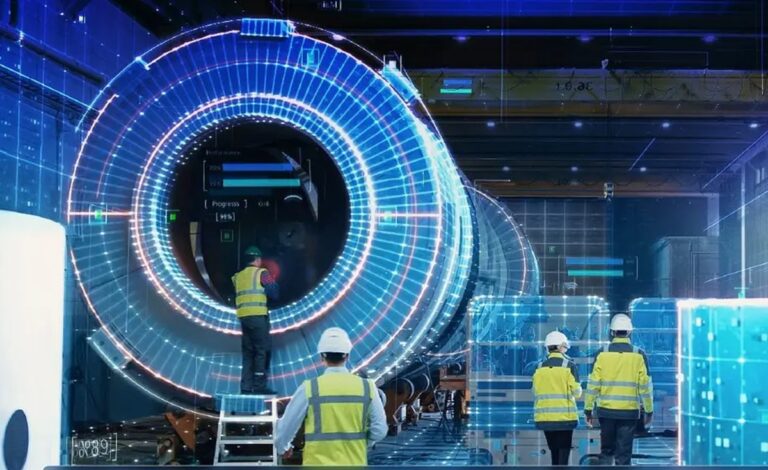
In an era of rapid technological advancement, the transformation of 4,000 factories with AI under Vision 2030 represents a monumental step towards revolutionizing industries and redefining the economic landscape. This initiative not only aims to enhance productivity but also seeks to create a sustainable and competitive manufacturing sector within Saudi Arabia. As we delve deeper into this visionary plan, we will explore its implications, benefits, and the future it promises.
How Vision 2030 is Shaping the Industrial Landscape
The Vision 2030 program is Saudi Arabia’s comprehensive plan for economic diversification and modernization. One of its key pillars focuses on the transformation of traditional sectors, particularly manufacturing. By harnessing the power of artificial intelligence, the initiative targets the enhancement of operational efficiency in 4,000 factories across the kingdom.
The Role of AI: A Game Changer for Factories
AI technology holds immense potential for transforming manufacturing processes. Through data analytics, machine learning, and automation, factories can significantly improve their production capabilities. The transformation of 4,000 factories with AI under Vision 2030 will enable businesses to optimize supply chains, reduce downtime, and enhance product quality.
What to Expect: Innovations and Improvements
The integration of AI into factories promises several key innovations:
Predictive Maintenance: AI can analyze equipment performance data to predict failures, allowing for timely maintenance and reducing unexpected downtimes.
Smart Manufacturing: Factories can utilize AI-driven robots and automation systems to streamline production processes, leading to faster and more accurate output.
Enhanced Quality Control: Machine learning algorithms can detect defects in real-time, ensuring that only high-quality products reach the market.
Data-Driven Decision Making: AI tools can provide insights into market trends and consumer preferences, empowering manufacturers to adapt quickly to changing demands.
The Economic Impact: Job Creation and Growth
While the transformation of 4,000 factories with AI under Vision 2030 is primarily focused on technological advancements, it also has significant economic implications. As factories evolve, there will be an increased demand for skilled workers who can operate and maintain these advanced systems.
Bridging the Skills Gap
To support this transformation, Saudi Arabia will need to invest in education and training programs. By equipping the workforce with the necessary skills, the country can ensure that its citizens are well-prepared for new job opportunities in the AI-driven manufacturing sector. This shift not only fosters job creation but also encourages innovation and entrepreneurship.
Challenges Ahead: Navigating the Road to Transformation
Despite the promising outlook, the transformation of 4,000 factories with AI under Vision 2030 is not without challenges. Adopting new technologies requires substantial investments and a shift in mindset among industry leaders.
Resistance to Change
Some companies may be hesitant to transition from traditional manufacturing methods to AI-driven processes. Overcoming this resistance will require strong leadership and a clear vision of the benefits that AI can bring.
Cybersecurity Concerns
With increased reliance on technology, the risk of cyber threats also rises. Factories must implement robust cybersecurity measures to protect sensitive data and maintain operational integrity.
Sustainability: A Core Component of Transformation
A vital aspect of the transformation of 4,000 factories with AI under Vision 2030 is the emphasis on sustainability. By optimizing resource use and reducing waste, AI can help factories operate in a more environmentally friendly manner.
Eco-Friendly Manufacturing Practices
AI can facilitate the adoption of eco-friendly practices through:
Energy Management: AI can optimize energy consumption, leading to reduced carbon footprints.
Waste Reduction: By improving production efficiency, factories can minimize waste and recycle materials more effectively.
Aligning with Global Sustainability Goals
As Saudi Arabia positions itself as a global player in manufacturing, aligning with international sustainability goals will enhance its reputation and attract foreign investment. The transformation of factories through AI is not just an internal benefit; it also contributes to global efforts to combat climate change.
The Future of Manufacturing: A Vision Realized
As we look ahead, the transformation of 4,000 factories with AI under Vision 2030 is poised to redefine the manufacturing landscape in Saudi Arabia. The convergence of technology and industry will create a more resilient economy, capable of adapting to future challenges.
A Collaborative Approach
Collaboration between government, industry stakeholders, and educational institutions will be crucial for the success of this initiative. By fostering partnerships, Saudi Arabia can leverage expertise and resources to accelerate the transformation process.
Celebrating Achievements
As milestones are achieved in the transformation journey, it will be essential to celebrate successes and share best practices. This not only boosts morale but also inspires other sectors to embrace innovation.
Conclusion: Embracing the Future with Optimism
The transformation of 4,000 factories with AI under Vision 2030 is an ambitious and necessary endeavor that promises to reshape the manufacturing sector in Saudi Arabia. Through innovative technologies, economic growth, and sustainable practices, this initiative lays the foundation for a prosperous future. As the country embarks on this transformative journey, embracing change with optimism will be key to unlocking the full potential of AI in manufacturing.
Do Follow Gulf Magazine on Instagram
Also read: Tourism expansion goals under Vision 2030 strategic plans

