

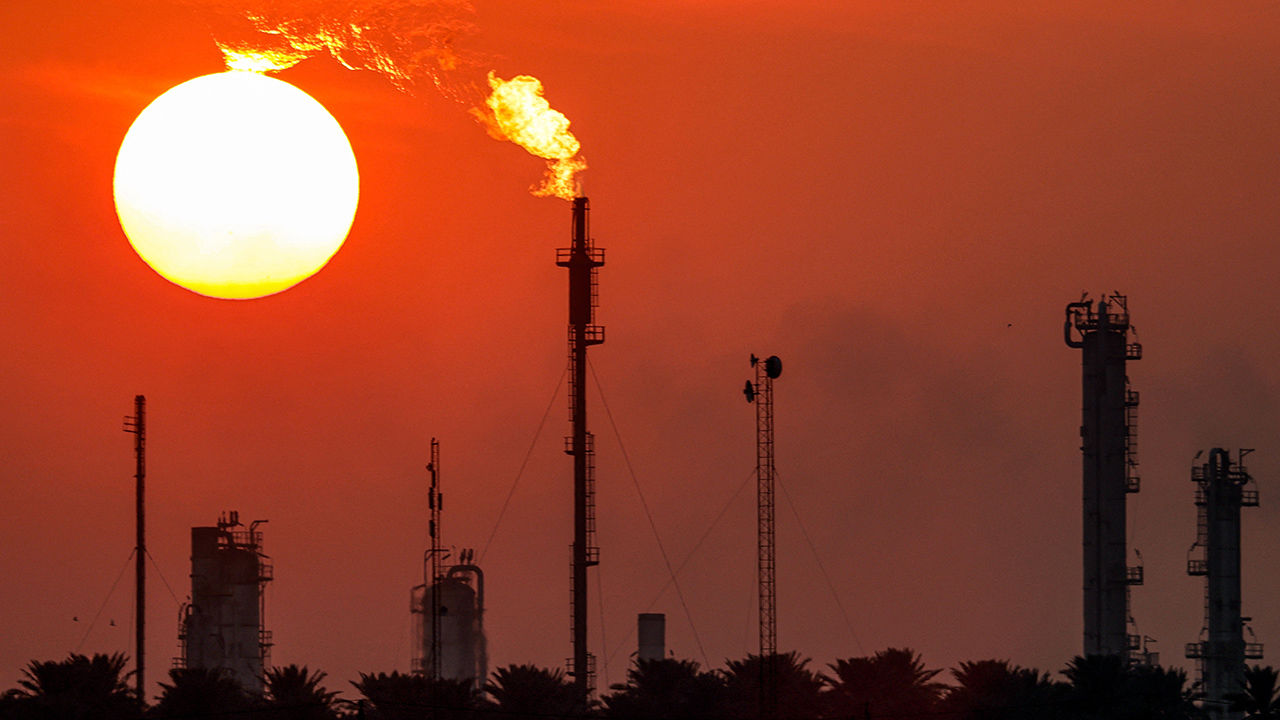
As global energy markets navigate a delicate balance between demand fluctuations and pricing pressures, Saudi Arabia’s recent decline in liquefied petroleum gas (LPG) prices has ushered in a welcome wave of relief across refining industries. The easing price trend is expected to rejuvenate refining margins, stabilize production costs, and support economic recovery in several downstream sectors that rely heavily on this crucial energy input.
The development marks a turning point for refiners who have been grappling with volatile input prices in recent quarters. As LPG forms a major feedstock for refineries, petrochemical plants, and industrial operations, the drop in its price is not merely an economic statistic; it is a lifeline for operational stability and profitability across multiple industries in the region and beyond.
A Breath of Relief for Refiners
For months, refiners across Asia and the Middle East have been dealing with tight margins due to high feedstock prices and fluctuating global crude oil rates. LPG, a byproduct of natural gas processing and oil refining, serves as an essential raw material for producing petrochemicals such as propylene and butadiene, as well as for heating, cooking, and industrial energy use.
The recent fall in Saudi Arabia’s LPG contract prices, often viewed as a benchmark for Asia, has given refiners the space to breathe after a prolonged phase of cost pressure. The reduction in LPG prices directly lowers operational expenses, enabling refiners to maintain production efficiency without sacrificing profitability.
In countries like India, China, South Korea, and Japan, major importers of Saudi LPG, the impact is expected to be immediate. Many refineries in these regions depend on stable LPG imports for their chemical cracking units and residential fuel supply chains. With prices easing, refiners can now recalibrate their production strategies and improve product yields.
How Lower LPG Prices Benefit the Refining Industry
When LPG prices fall, the benefits flow through several layers of the refining value chain. Lower feedstock costs mean refiners can optimize the yield of high-value products such as gasoline, diesel, and petrochemical derivatives. This not only improves refining margins but also allows for greater flexibility in adjusting output to market demands.
Additionally, LPG’s role as a clean-burning fuel makes it an integral part of modern refining operations that prioritize efficiency and sustainability. By reducing input costs, refiners can reinvest in technology upgrades, maintenance, and process improvements, areas that often take a back seat when margins are under stress.
The downward trend in prices also provides breathing room for refineries undergoing expansions or upgrades. With lower input costs, such capital projects can proceed with less financial strain, enhancing long-term competitiveness.

Strengthening Regional Trade and Energy Balance
Saudi Arabia’s position as the world’s largest LPG exporter gives its pricing decisions outsized influence on regional and global trade flows. The current softness in prices is partly attributed to higher supply availability and moderate global demand, creating a favorable scenario for importing nations.
This shift helps to balance the trade dynamics between major producers like Saudi Arabia, Qatar, and the UAE, and consumer-heavy markets such as India, Japan, and China. Lower LPG prices mean lower import bills, improved trade balances, and potentially even reduced inflationary pressures in energy-sensitive economies.
Refiners and petrochemical players across Asia are particularly benefiting from this trend, as they can secure feedstock supplies at more predictable rates. This stability encourages forward planning and long-term contracting, key to maintaining industrial growth and energy security in volatile times.
Boost to Petrochemical Margins
One of the biggest beneficiaries of falling LPG prices is the petrochemical industry. LPG serves as a vital feedstock for steam crackers that produce ethylene, propylene, and other essential building blocks for plastics, textiles, and industrial chemicals.
When feedstock prices decline, petrochemical producers enjoy better margin spreads between input costs and final product prices. This boost not only strengthens profitability but also promotes reinvestment into research, innovation, and sustainable production practices.
In the Middle East, several integrated refining and petrochemical complexes, especially in Saudi Arabia and the UAE, are expected to leverage this pricing advantage. By producing both fuels and chemicals from the same facilities, these integrated plants can optimize operations and improve returns on investment.
Supporting Economic Resilience in the Region
Energy affordability plays a pivotal role in supporting economic growth and consumer welfare. In countries where LPG is also used for domestic consumption, such as India and parts of Southeast Asia, lower import prices translate to more stable retail prices for households.
This not only eases the financial burden on consumers but also strengthens purchasing power across lower and middle-income groups. From a macroeconomic perspective, reduced energy costs help curb inflationary pressures, enabling governments to allocate more resources toward social welfare and development projects.
Saudi Arabia’s pricing strategy, though guided by market dynamics, indirectly supports these broader economic objectives by promoting energy affordability without compromising the sustainability of its export model.
Market Factors Driving the Price Decline
Several interconnected factors have contributed to the recent fall in Saudi LPG prices. A combination of steady production levels, moderate global demand, and stable crude oil prices has created a softer market environment.
The resurgence of alternative fuels and the growing use of renewable energy in power generation have also slightly tempered global LPG demand growth. Moreover, mild seasonal consumption patterns, particularly in Europe and parts of Asia, have kept inventories well-stocked, reducing upward pressure on prices.
Another important factor is the recovery of global logistics and shipping networks. With freight rates stabilizing and supply routes normalizing after pandemic-related disruptions, the overall cost of LPG imports has become more manageable, further easing price pressures.
Refiners Regain Confidence Amid Volatility
For refiners, the relief brought by falling LPG prices extends beyond immediate cost savings; it restores a sense of predictability and confidence in the market. The past few years have been marked by extraordinary volatility in energy markets, driven by geopolitical tensions, supply chain disruptions, and fluctuating global demand.
With LPG prices stabilizing, refiners can once again plan production cycles with greater certainty. This improves inventory management and helps companies avoid overstocking or sudden shortages. For publicly traded refining companies, predictable input costs also support steadier earnings outlooks and investor confidence.
Sustainability and the Future of LPG
The conversation around LPG is evolving rapidly in the context of global energy transition. Although it is a fossil fuel, LPG is often regarded as a cleaner and more efficient alternative to coal or heavy oil. The recent price decline could accelerate its adoption in regions where clean fuel transitions are underway but still constrained by cost barriers.
In developing economies, LPG continues to serve as a crucial bridge fuel, providing reliable energy access while countries gradually shift toward renewables. Lower prices make it easier for governments to promote LPG as part of their clean energy initiatives, particularly for rural electrification and cooking fuel programs.
From an environmental perspective, affordable LPG also reduces dependence on biomass and solid fuels, helping curb indoor air pollution and greenhouse gas emissions. Thus, even as the world moves toward a greener future, LPG remains an important piece in the global energy puzzle.
A Strategic Opportunity for Refiners and Exporters
For Saudi Arabia, maintaining competitive LPG prices presents a strategic opportunity to strengthen its global energy influence. By offering favorable pricing terms, the kingdom not only secures long-term buyers but also enhances its reputation as a reliable and responsive energy partner.
At the same time, refiners in importing nations can take advantage of this market window to renegotiate supply contracts, diversify procurement sources, and invest in storage facilities. These steps can help them safeguard against future price swings and reinforce supply resilience.
The synergy between Saudi producers and Asian refiners thus forms a mutually beneficial relationship, one that promotes stability in global energy trade while supporting economic growth across both regions.
Outlook: Stability and Growth Ahead
Looking ahead, market analysts expect LPG prices to remain relatively stable through the next quarter, provided crude oil prices and global demand remain moderate. Refiners are likely to continue reaping the benefits of reduced input costs, especially as the winter demand cycle begins to shape global consumption patterns.
While seasonal fluctuations are inevitable, the current pricing environment gives refiners a strong foundation for recovery and expansion. With better margins, they can channel resources into capacity enhancements, cleaner technologies, and digitalization, key trends shaping the future of the refining industry.
Furthermore, the downward trend in LPG prices may encourage more nations to explore LPG-based industrial clusters, thereby creating new growth corridors in Asia and the Middle East. The alignment of competitive pricing, stable supply, and sustainability goals could define the next phase of the energy market’s evolution.
Conclusion
The decline in Saudi Arabia’s LPG prices has come as a timely boost for refiners worldwide, breathing new life into an industry that thrives on stability and efficiency. Beyond the immediate economic benefits, it signals a broader recovery in the energy landscape, one that encourages balance, cooperation, and sustainable growth.
As refiners capitalize on the opportunity to rebuild margins and optimize operations, the ripple effect is likely to be felt across entire economies, from industrial giants to household kitchens. The positive sentiment surrounding this trend highlights the enduring importance of energy affordability and the interconnectedness of global markets.
In a world still adjusting to post-pandemic realities and energy transitions, falling LPG prices from Saudi Arabia serve as a welcome reminder that even small shifts in the energy spectrum can create waves of optimism and opportunity across continents.
Do follow Gulf Magazine on Instagram.
Also Read – Pinterest Unveils Stunning Autumn Interior Design Trends in GCC

