

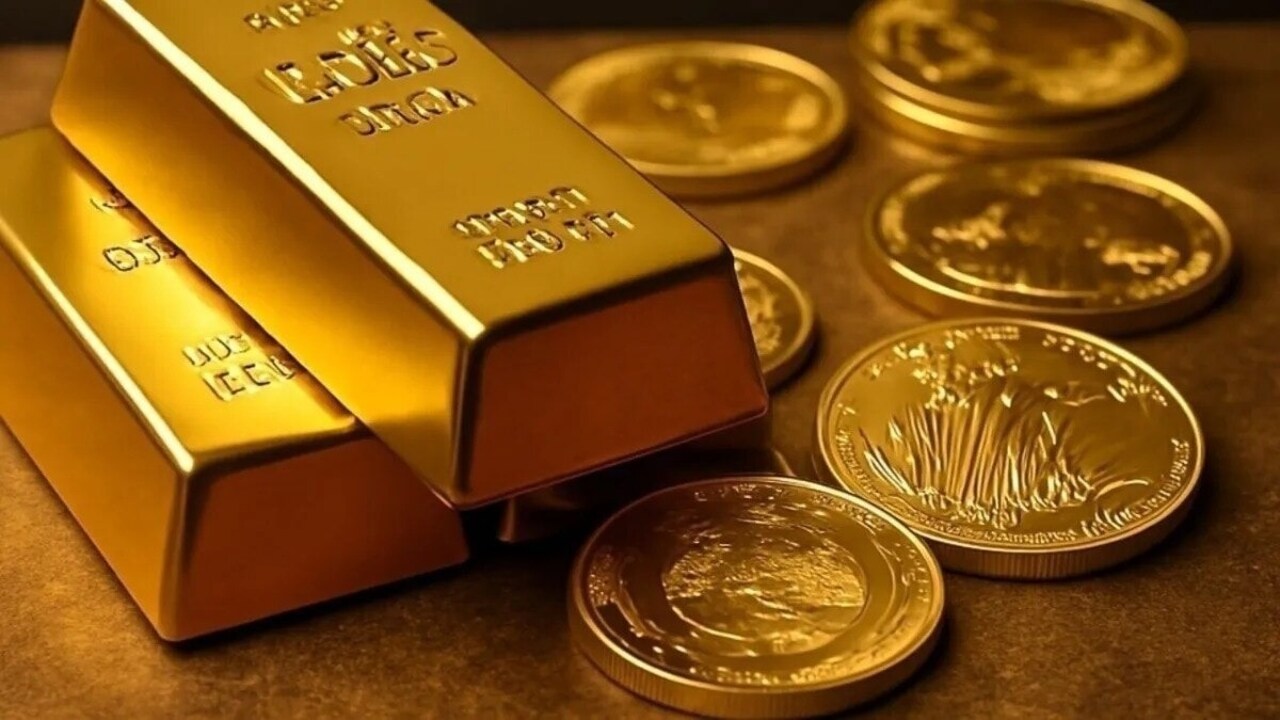
As winter approaches, financial markets are closely observing gold price movements in the Gulf region. This attention arises from a complex interplay of economic shifts that could significantly impact the region’s economies and the global gold market. Investors and analysts alike are keen to understand how these seasonal changes will shape the demand for gold, a traditional safe-haven asset.
Understanding the Economic Landscape of the Gulf
The Gulf Cooperation Council (GCC) countries, including Saudi Arabia, the UAE, Kuwait, Oman, Bahrain, and Qatar, are experiencing a unique set of economic dynamics as winter sets in. Seasonal fluctuations often influence economic activities, and this winter is no exception. The region is heavily reliant on oil exports, and changes in global oil prices can ripple through various sectors, including gold.
With economic diversification efforts taking center stage, especially in Saudi Arabia’s Vision 2030 initiative, the financial landscape is shifting. As the GCC countries strive to decrease their dependency on oil revenues, investments in non-oil sectors are becoming increasingly important. This transition can lead to heightened volatility in the financial markets, particularly regarding gold.
The Correlation Between Oil Prices and Gold Demand
Historically, there has been a strong correlation between oil prices and gold demand. When oil prices rise, especially during winter months when energy consumption peaks, it often leads to increased investment in gold. Investors flock to gold as a hedge against inflation and currency devaluation, which can be triggered by fluctuations in oil prices.
Conversely, if oil prices fall, the demand for gold may also decline as investors seek riskier assets that could yield higher returns. This winter, financial markets are keenly focused on these price movements, as they can signal broader economic trends and investor sentiment.
Geopolitical Factors Influencing Gold Prices
The Gulf region is no stranger to geopolitical tensions. Events such as conflicts, sanctions, and diplomatic relations can all significantly impact gold prices. As we enter winter, ongoing geopolitical issues may further complicate the economic landscape.
For instance, tensions in neighboring regions can drive investors towards gold, reinforcing its status as a safe-haven asset. Financial markets are closely monitoring these developments, as they could lead to sudden shifts in gold prices. The interplay between these geopolitical factors and economic conditions will be crucial in determining the trajectory of gold in the coming months.
How Inflation Shapes Investor Behavior
Inflation remains a significant concern in the Gulf and globally. As economies recover from the impacts of the pandemic, inflationary pressures are mounting. In such an environment, gold often becomes an attractive option for investors looking to protect their wealth.
As winter approaches, rising inflation rates could prompt financial markets to react more strongly to gold price movements. Investors may increasingly view gold as a hedge against inflation, leading to higher demand and potentially driving prices up. This scenario is particularly relevant for Gulf nations, where wealth preservation is a priority for many.
The Role of Central Banks in Gold Investments
Central banks play a pivotal role in the gold market. In recent years, many central banks, including those in the Gulf region, have increased their gold reserves as part of their monetary policies. This trend reflects a broader strategy to diversify assets and strengthen national currencies.
As financial markets observe the gold price movements this winter, central banks’ actions will be crucial. If central banks in the Gulf continue to build their gold reserves, it could signal confidence in the asset and further enhance its appeal to private investors. The interaction between central bank policies and gold prices will be a focal point for analysts and investors.
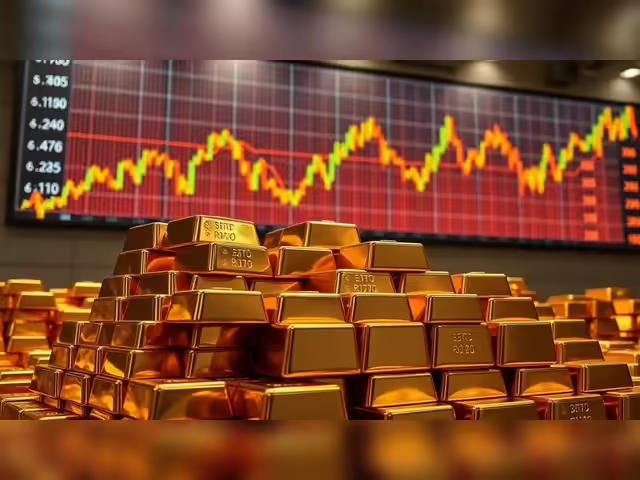
Seasonal Demand and Cultural Significance of Gold
Winter brings about various cultural and traditional celebrations in the Gulf region, often accompanied by increased demand for gold jewelry. Events such as weddings and festivals typically see a spike in gold purchases, which can influence market prices.
This seasonal demand is particularly important for understanding gold price movements. As financial markets watch these trends, they will be looking for signals that indicate how cultural factors may impact overall gold demand. The intertwining of cultural significance and economic dynamics creates a unique scenario for gold in the Gulf during winter months.
Conclusion: The Future of Gold in the Gulf
As financial markets watch gold price movements amid winter economic shifts in the Gulf, it is clear that a multitude of factors will influence the landscape. From oil price fluctuations to geopolitical tensions, inflation concerns, and cultural significance, the dynamics at play are complex and interwoven.
Investors will need to remain vigilant, analyzing these factors to make informed decisions about their gold investments. The Gulf’s economic evolution, coupled with seasonal changes, will continue to shape the demand for gold, making it a critical asset for the region’s financial markets.
Do follow Gulf Magazine on Instagram.
Also Read – Gold Holding Strong in Gulf Markets Amid Global Uncertainty

