

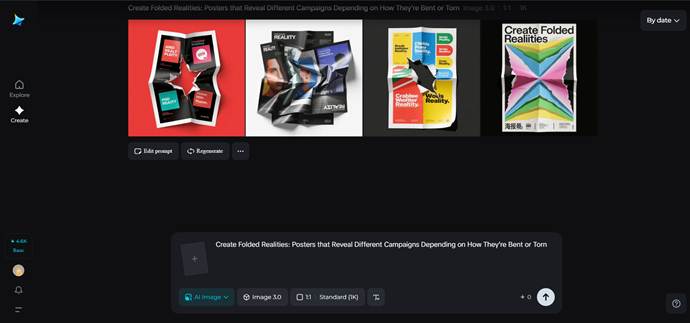
Posters were always two-dimensional, inanimate messages stuck to walls. But what occurs when those walls themselves become playgrounds for illusions? A folded corner, a tear along the edge of a corner, or a crease down the middle can unlock secret layers of meaning, turning one piece of paper into a shape-shifting fabulist. In this world, the poster is no longer a quiet rectangle—it’s a puzzle waiting to be touched, bent, and reimagined.
With the help of tools such as Dreamina, even such whimsical deceptions can be experiment-tested before they ever leave the pavement. An AI photo generator can assist artists in a preview of how shadow creases, how ripped fabric suggests campaigns underneath, and how composite images play off in actual lighting. All at once, the billboard shifts from one in which ink splashes onto paper to one of choreography between material, message, and motion.
When a crease becomes a stage
Imagine a crease as not harm, but as a stage curtain. Behind it is a second act. A poster might promote a film opening on its flat front, but when folded, a secret message regarding the soundtrack or spin-off shows. One sheet of paper, two different campaigns, and a touch-based means of surprising people as they pass by.
These folded narratives reflect the way audiences themselves consume material: in folds, sometimes revealing greater context only after interaction. Folding itself is a metaphor for discovery—asking individuals to lean in, touch, and open the second story hidden under the first.
The secret language of torn edges
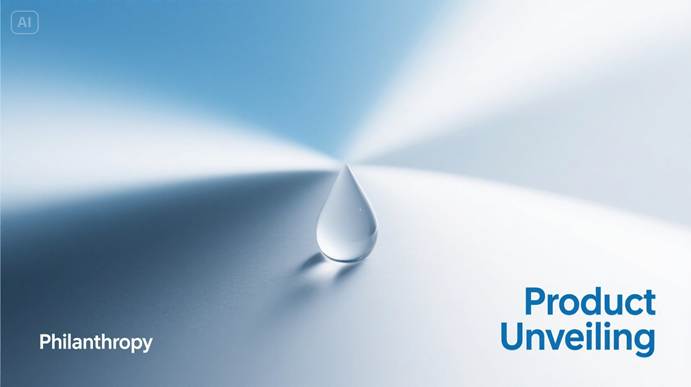
Tears also speak. A torn poster can show an entirely different campaign beneath, such as peeling paper on a city sidewalk. Brands might create this on purpose: a top layer advertising a product unveiling, with a tear within that shows a philanthropic message, a behind-the-scenes story, or even a preview of the next big thing.
This mechanism is effective because it appears raw and spontaneous, yet beautifully planned. Street crowds are trained to disregard slick posters, but a tear captures the eye, provokes questions, and turns ruin into design. What appears to be ruined turns into a gateway to new meaning.
- Distressed textures generate intrigue and authenticity.
- Subtle reveals invite engaged action.
- Build-up campaigns pack maximum punch with minimum real estate.
The function of movement in flat planes
A poster need not move to create movement. Folds and bends already create dynamism by altering the look based on the angle of vision. A person walking by from the left may catch one campaign, while another person walking in from the right sees another. In busy streets, this becomes a living choreography of changing impressions without the need for any digital screens.
This humble play with geometry makes posters feel like they are in different dimensions. The two-dimensional plane is made interactive, reflecting light in some other way at every fold and warping the story just as readily as the paper.
Branding through layered storytelling
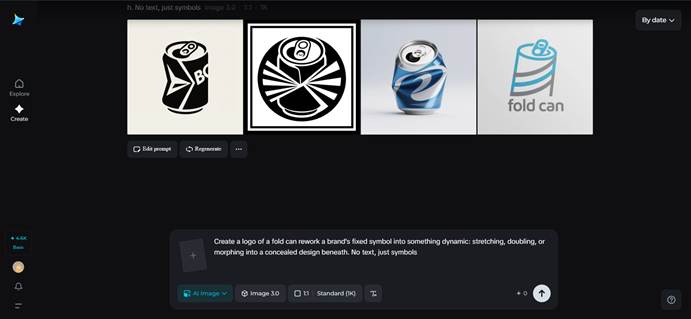
This type of mechanic isn’t solely for play—it’s strong branding. A business might employ Dreamina’s AI logo generator to create marks that can shift effortlessly across several campaigns in the same poster. A fold can rework a brand’s fixed symbol into something dynamic: stretching, doubling, or morphing into a concealed design beneath.
Layered posters enable brands to affirm identity and demonstrate adaptability. Rather than being fixed to a single message, the brand acquires a voice that changes based on how individuals engage with the medium. It’s not only storytelling—it’s storytelling that responds to curiosity.
Playful mechanics for cultural spaces
Torn and folded posters are not just for commercial applications. They can be applied in galleries, theater productions, or festivals to convey playfulness and intrigue. Consider an art exhibition where the poster itself becomes an interactive display, or a music festival with folds unfolding surprise line-ups concealed under the headline event.
- Museums might conceal quotes, artifacts, or secret symbols within folds.
- Theaters might have second-story characters embedded in torn textures.
- Festivals might add secret stages or experiences to folded creases.
By asking the crowd to fold, bend, or even wreck the poster, organizers are allowing people to interact physically with the message. This dissolves the boundaries between advertising and art.
Where Dreamina reshapes the fold
The thing is, folded realities get people excited because you can prototype them digitally first. No need to jump straight into printing. With Dreamina, designers play around with depth and texture, even layering stuff, all from some creative prompts. They bend virtual paper, throw in fake light, and check out how those folds show hidden parts. That way, creatives test out tons of ideas. Never waste any ink or paper on bad tries.
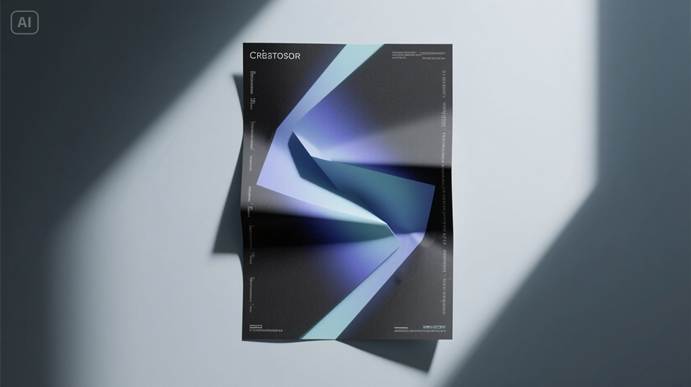
Here’s where Dreamina’s AI poster generator comes in: once the idea has been sketched out, the tiered campaigns can be mocked up with dreamlike precision. Artists can mimic torn surfaces, folded edges, or concealed illustrations, blurring the line between two-dimensional idea and three-dimensional design like never before.
The fold as a metaphor for memory
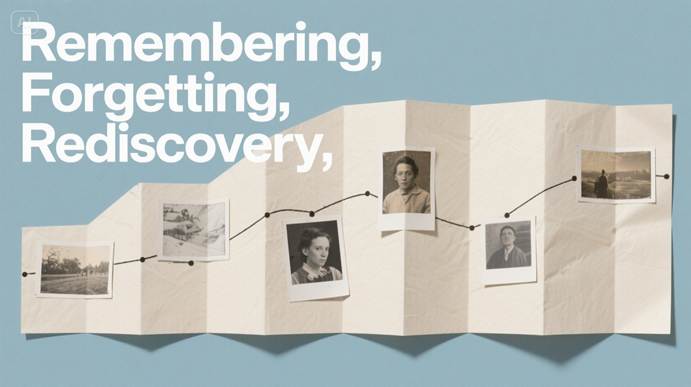
Folds don’t merely cast shadows on paper—they reflect the nature of memory. Each fold is a wrinkle in remembrance: some visible, some concealed, some warped by the curve of time. Posters intended to be foldable can capture nostalgia, such as an old photo kept too long in a wallet. They can capture anticipation, with folds that “conceal” upcoming dates or information until unfolded.
A campaign could even borrow from this metaphor to evoke themes of remembering, forgetting, and rediscovery. By characterizing folds as living timelines, a humble poster becomes both artifact and experience, structuring the audience’s memory as much as its message.
Conclusion: bending the future of print
Folded realities remind us that even the most elementary medium—paper—still contains infinite potential. Through bending, tearing, and superposition, posters break free of their fixed two-dimensional existence and enter the world of performance art. They share secrets, reward curiosity, and turn the city wall into a stage of variable campaigns.
Dreamina brings this experimentation within reach of all, transforming whimsical concepts into refined visual tests before pasting on brick or board. With an AI photo generator to preview folds, an AI logo generator to construct responsive marks, or an AI poster generator to replicate concealed reveals, the process from concept to effect is faster and more imaginative than ever.
The crumpled poster is no longer merely a message—it’s an invitation to touch, to play, to explore. And with Dreamina, bending reality is only the starting point.
Do follow Gulf Magazine on Instagram
Read Next – Oumaima Taleb Live at Katara: Unforgettable Doha Concert Event

