

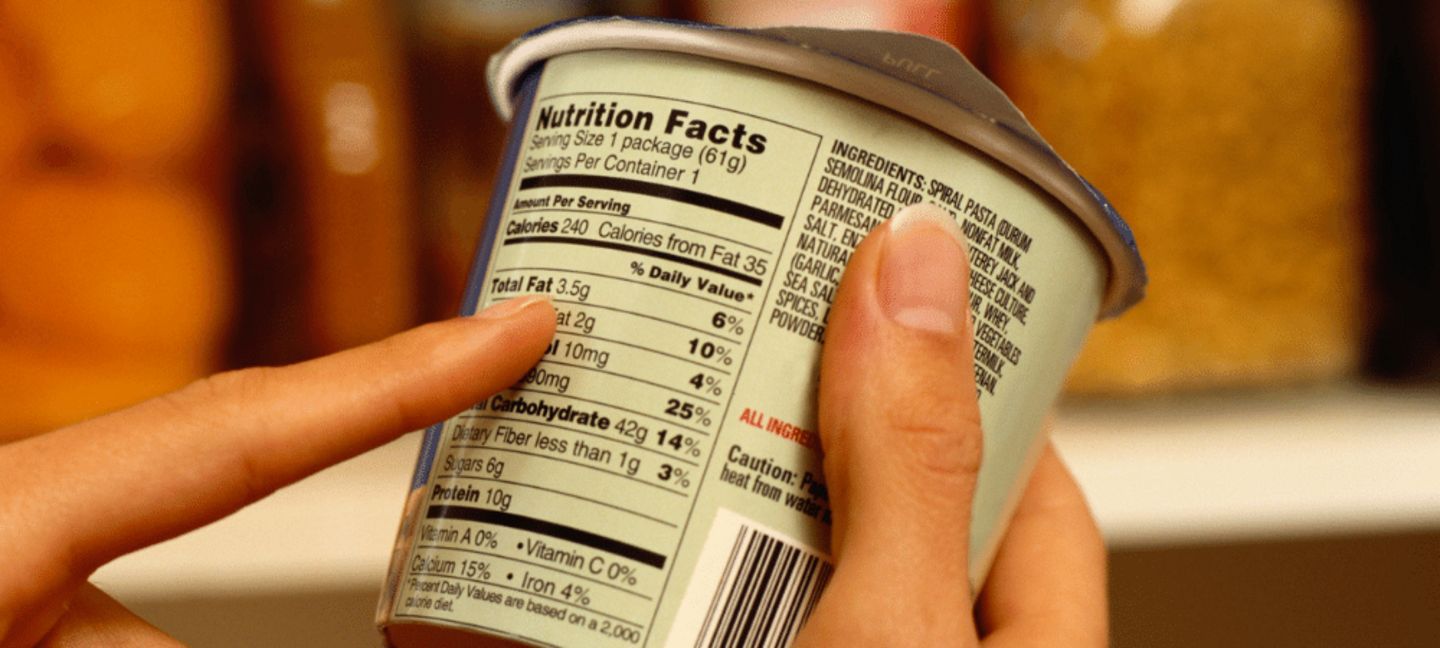
In 2026, bold regulatory changes coming to Gulf food labeling laws are set to shake up the food and beverage industry in the region. These upcoming rules mark one of the most dramatic shifts in consumer transparency ever seen in the Gulf Cooperation Council (GCC) countries. Authorities are now focused on safeguarding public health, empowering consumers with accurate information, and creating a unified labeling standard across Gulf nations.
The Gulf health ministries, in collaboration with food safety agencies, have announced that all food producers and importers must comply with the new labeling system beginning January 1, 2026. This includes enhanced nutritional disclosures, color-coded warnings, digital traceability features, and strict penalties for misleading packaging.
Why Are the Gulf Nations Changing Food Labeling Laws?
The primary reason behind these bold regulatory changes coming to Gulf food labeling laws in 2026 is a sharp rise in lifestyle-related health conditions. Obesity, diabetes, and high blood pressure have reached alarming levels across Gulf countries. Officials believe that food consumption patterns particularly high sugar and salt intake are significant contributors.
By enforcing clearer, more honest food labels, authorities aim to educate the public and nudge them toward healthier choices. The Gulf nations also hope to align more closely with global best practices, including EU-style front-of-pack labeling and digital food tracking systems.
What the New Rules Will Include
These bold regulatory changes coming to Gulf food labeling laws in 2026 will touch every product on store shelves. Here’s what will change:
1. Front-of-Pack Nutrition Labeling (FoPNL)
Manufacturers must display a simplified color-coded label at the front of every packaged food item. Using a red-yellow-green system, the label will show levels of sugar, saturated fat, and salt. This format helps buyers quickly assess the healthiness of the food.
2. Calorie Count Disclosure
Restaurants and fast-food chains will be required to include calorie information directly on menus and packaging. Pre-packed foods must highlight calories per serving in large, readable fonts.
3. Sugar and Salt Warning Labels
Any food product containing more than 10% added sugar or 1.5g of salt per 100g must include a bold warning label. These labels will be hard to miss and mandatory regardless of brand reputation.
4. Digital Food Information via QR Codes
A major part of the bold regulatory changes coming to Gulf food labeling laws in 2026 includes digital innovation. All food packages will carry a QR code linking to a government-monitored database that shows full nutritional data, sourcing info, allergen warnings, and possible contaminants.
5. Stricter Penalties for Misleading Claims
Products labeled with false “healthy,” “natural,” or “sugar-free” claims will be fined up to $50,000 and banned from shelves. Companies must back every marketing term with verified documentation.
6. Mandatory Allergen Identification
Packaging must clearly highlight any presence of common allergens like nuts, dairy, gluten, or shellfish. These warnings will now be on the front of the package, not just the ingredients list.
7. Harmonized Gulf-Wide Labeling Format
Currently, labeling formats vary slightly between Saudi Arabia, UAE, Kuwait, and other Gulf nations. The new law mandates a single standardized format across all GCC countries, making it easier for multinational food brands to comply and for consumers to understand.
Who Will Be Affected?
These bold regulatory changes coming to Gulf food labeling laws in 2026 will affect:
- Food Manufacturers and Importers: They’ll need to redesign packaging, test nutritional content, and maintain updated databases.
- Retailers: Supermarkets must ensure every product on their shelves is compliant or risk legal action.
- Restaurants and Cafes: Especially fast-food outlets, must update menus and provide nutritional transparency.
- Consumers: The biggest winners, who’ll be empowered to make smarter food choices based on truthful information.
Implementation Timeline
To allow the food industry to adapt, the Gulf authorities have provided a transitional period:
- July–December 2025: Voluntary compliance phase begins, with awareness campaigns and educational materials for businesses.
- January 1, 2026: Full enforcement begins, and penalties will apply for non-compliance.
- Mid-2026 Audits: Random market inspections and product testing will be conducted to ensure industry-wide adherence.
Public Reactions and Industry Concerns
While the public has largely welcomed these bold regulatory changes coming to Gulf food labeling laws in 2026, some food companies have expressed concern about the costs and logistics of compliance. Reformulating products, redesigning packaging, and integrating QR codes can be expensive, especially for small businesses.
However, government representatives argue that consumer safety and health come first. To support local producers, small business grants and digital tools will be offered in 2025 to help them meet the new standards on time.
Nutritionists and public health experts have applauded the initiative. Many believe this will become a turning point in reversing chronic disease trends in the Gulf region.
Final Thoughts
These bold regulatory changes coming to Gulf food labeling laws in 2026 are not just policy upgrades—they represent a cultural shift. For the first time, transparency, consumer rights, and health will be central to every food decision in Gulf homes. With clear guidelines, advanced digital tools, and strong enforcement, Gulf nations are leading the way toward a healthier, more informed future.
Whether you are a manufacturer, retailer, or everyday shopper, now is the time to prepare for this bold transformation. The countdown to 2026 has begun and the future of food in the Gulf will never look the same again.
Also Read – Food Security Rises as Smart Farming Boosts Gulf Output 40%

