

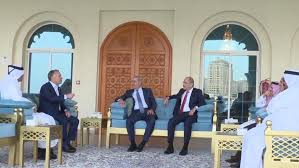
A high-level meeting took place in Doha, where Arab ministers and a U.S. envoy gathered to discuss the Gaza reconstruction plan. The discussions focused on humanitarian aid, rebuilding critical infrastructure, and ensuring long-term stability for the people of Gaza. This diplomatic engagement highlights international efforts to support post-conflict recovery in the region.
Key Objectives of the Meeting
The meeting aimed to coordinate international efforts to address the pressing humanitarian crisis in Gaza and develop a sustainable reconstruction framework. Key areas of discussion included:
- Immediate Humanitarian Aid: Addressing urgent needs such as medical supplies, food security, and shelter for displaced families.
- Infrastructure Rebuilding: Repairing essential services, including electricity, water supply, and healthcare facilities.
- Financial Support & Investment: Mobilizing resources from international donors and financial institutions to fund reconstruction projects.
- Security & Stability Measures: Ensuring that rebuilding efforts contribute to long-term peace and resilience in the region.
Role of Qatar in Gaza’s Reconstruction
Qatar has played a significant role in providing aid and supporting infrastructure projects in Gaza. Over the years, Qatar has contributed millions of dollars to:
- Housing Projects: Building new residential units for displaced families.
- Energy & Water Infrastructure: Improving access to electricity and clean water.
- Healthcare Facilities: Establishing hospitals and medical centers to enhance public health services.
- Economic Development: Supporting job creation programs to stimulate Gaza’s economy.
Statements from Arab Ministers & U.S. Officials

During the meeting, officials emphasized the need for a coordinated approach to rebuilding Gaza. Some key statements included:
- Arab League Representative: “Reconstruction is not just about rebuilding structures but also restoring hope and stability for Gaza’s people.”
- U.S. Envoy: “The U.S. remains committed to working with regional partners to ensure a sustainable future for Gaza.”
- Qatari Official: “Qatar will continue to support humanitarian and infrastructure projects to improve living conditions in Gaza.”
Challenges & Roadblocks
Despite strong international commitments, several challenges remain in implementing the Gaza reconstruction plan:
- Political & Security Concerns: Ongoing tensions in the region could impact reconstruction efforts.
- Funding Gaps: Securing financial commitments from international donors remains a challenge.
- Access Restrictions: Movement of materials and humanitarian aid into Gaza is often restricted, delaying progress.
The Path Forward: What’s Next for Gaza’s Reconstruction?
Following the meeting in Doha, stakeholders outlined a roadmap for Gaza’s recovery:
- Formation of a Coordinated Task Force: To oversee and streamline reconstruction projects.
- Increased International Support: Encouraging global donors to contribute more funding.
- Focus on Long-Term Solutions: Investing in education, economic development, and employment opportunities for Gaza’s youth.
- Strengthening Regional Cooperation: Ensuring collaboration between Arab nations, the U.S., and international organizations.
Conclusion
The Doha meeting between Arab ministers and the U.S. envoy marks an important step in advancing the Gaza reconstruction plan. With commitments to humanitarian aid, infrastructure rebuilding, and long-term stability, this initiative seeks to improve the lives of Gaza’s residents and foster peace in the region. However, continued international cooperation and financial support will be crucial in overcoming existing challenges and ensuring successful reconstruction efforts.
Kuwait’s Emir Appoints Sheikh Sabah Khalid Al Sabah as New Crown Prince
Do follow gulf magazine on Instagram
for more information Gulf magazine .

