

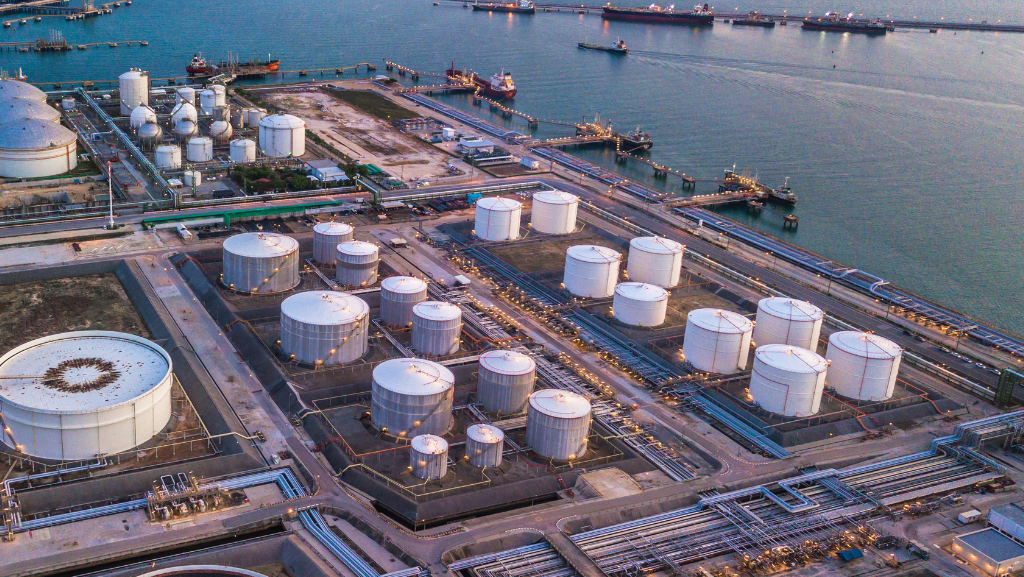
The Gulf Cooperation Council (GCC) economies are undergoing one of the most ambitious transformations in modern economic history. For decades, oil revenues defined growth, government spending, and investor confidence across the region. Today, a deliberate shift toward economic diversification is reshaping not just national strategies but also the performance, structure, and resilience of GCC stock markets.
This transition is more than a policy shift. It reflects a long-term vision aimed at building sustainable economies capable of withstanding oil price volatility while unlocking new investment opportunities. As diversification deepens, stock markets across the GCC are evolving into broader, more dynamic platforms that mirror global economic trends rather than energy cycles alone.
Understanding Economic Diversification in the GCC
Economic diversification in the GCC refers to reducing dependence on hydrocarbons by expanding sectors such as tourism, technology, manufacturing, logistics, healthcare, renewable energy, and financial services. Governments across the region have introduced long-term national visions that place diversification at the core of economic growth.
These initiatives are designed to stimulate private sector participation, attract foreign direct investment, create jobs, and encourage innovation. The result is a gradual but steady reshaping of economic foundations, which directly influences corporate earnings, market capitalization, and investor sentiment in regional stock exchanges.
Why Stock Markets Matter in the Diversification Journey
Stock markets serve as a real-time reflection of economic confidence. As the GCC diversifies, equity markets play a critical role in mobilizing capital, funding new industries, and enabling private enterprises to scale.
A diversified economy typically leads to diversified stock indices. This reduces concentration risk, increases sectoral balance, and improves overall market stability. For investors, this evolution offers broader exposure and reduces the historical reliance on oil-linked stocks.
Shifting Sector Composition in GCC Stock Markets
One of the most visible impacts of diversification is the changing composition of listed companies. While energy and petrochemicals remain important, their dominance is gradually declining as new sectors gain prominence.
Financial services, real estate, consumer goods, healthcare, telecommunications, and technology-driven companies are now contributing a growing share of market capitalization. Tourism-linked firms, logistics providers, and renewable energy companies are also entering public markets, offering investors exposure to future-facing industries.
This broader sector mix makes GCC stock markets more resilient during periods of oil price fluctuations and global energy uncertainty.
Improved Market Stability and Reduced Volatility
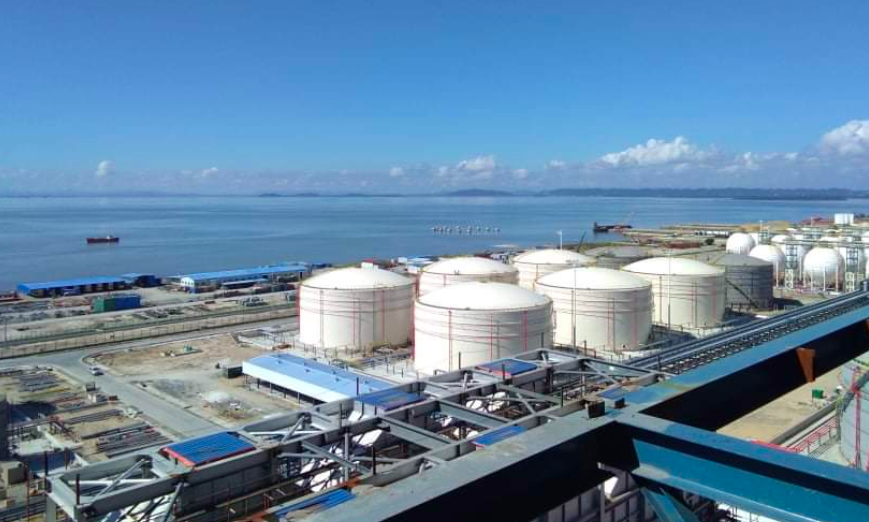
Historically, GCC stock markets moved in close alignment with oil prices. Sharp declines in crude often triggered market sell-offs, regardless of company fundamentals. Economic diversification has begun to weaken this correlation.
As non-oil sectors generate stable revenues, earnings volatility declines. This stability improves investor confidence and encourages longer-term investment strategies rather than short-term speculative trading.
Markets that reflect diversified economic activity tend to show stronger recoveries during global downturns, reinforcing the appeal of GCC equities to both regional and international investors.
Rising Foreign Investment and Global Integration
Economic diversification has gone hand in hand with regulatory reforms aimed at improving transparency, corporate governance, and market accessibility. Many GCC exchanges have opened their doors wider to foreign investors, relaxed ownership limits, and upgraded trading infrastructure.
These changes have attracted institutional investors seeking exposure to emerging markets with strong growth fundamentals. As a result, increased foreign participation has boosted liquidity, reduced bid-ask spreads, and enhanced price discovery across GCC stock markets.
Greater global integration also means GCC equities are increasingly included in major international indices, further strengthening capital inflows and market depth.
Government-Led Reforms Supporting Market Growth
Diversification efforts are supported by structural reforms that directly influence stock market performance. Privatization programs, public-private partnerships, and initial public offerings of state-linked enterprises have expanded investment opportunities.
Governments are also encouraging small and medium-sized enterprises to list, fostering entrepreneurship and innovation. These policies help create a vibrant equity ecosystem where growth is driven by productivity rather than commodity cycles.
As regulatory frameworks mature, investor protection improves, reinforcing trust in capital markets and supporting sustainable growth.
Technology, Innovation, and the New Economy
Technology is playing a crucial role in shaping the future of GCC stock markets. Fintech platforms, digital banking, e-commerce, and smart infrastructure companies are gaining traction, reflecting broader economic shifts.
Innovation-led growth tends to attract younger investors and long-term capital focused on scalability and transformation. This aligns well with diversification goals and enhances the strategic depth of stock markets across the region.
The rise of technology-focused listings also signals a move toward knowledge-based economies, which typically command higher valuations and stronger investor interest.

ESG, Sustainability, and Investor Confidence
Environmental, social, and governance considerations are becoming central to investment decisions worldwide. GCC diversification strategies increasingly emphasize sustainability, renewable energy, and responsible governance.
Companies aligned with ESG principles are gaining favor among global investors, improving valuation multiples and capital access. Stock markets that support transparent ESG reporting benefit from stronger credibility and long-term investment flows.
This shift not only improves market perception but also aligns economic growth with global sustainability standards.
Long-Term Outlook for GCC Stock Markets
The long-term impact of economic diversification on GCC stock market performance is largely positive. As economies become more balanced, markets are expected to grow in size, sophistication, and global relevance.
Diversification reduces systemic risk, enhances earnings visibility, and supports steady capital appreciation. While challenges remain, including global economic uncertainty and execution risks, the direction of change is clear.
Stock markets that once mirrored oil cycles are evolving into comprehensive reflections of diversified, forward-looking economies.
Conclusion
GCC economic diversification is transforming the region’s stock markets from commodity-driven platforms into diversified investment ecosystems. This evolution is strengthening market stability, attracting global investors, and creating new growth opportunities across multiple sectors.
As diversification deepens, GCC stock markets are likely to become more resilient, inclusive, and globally competitive. For investors, policymakers, and businesses alike, the connection between economic transformation and market performance is becoming one of the most compelling narratives in the Gulf’s financial future.
Do follow Gulf Magazine on Instagram.
Also Read – How Global Monetary Policy Influences Middle East Financial Markets

