

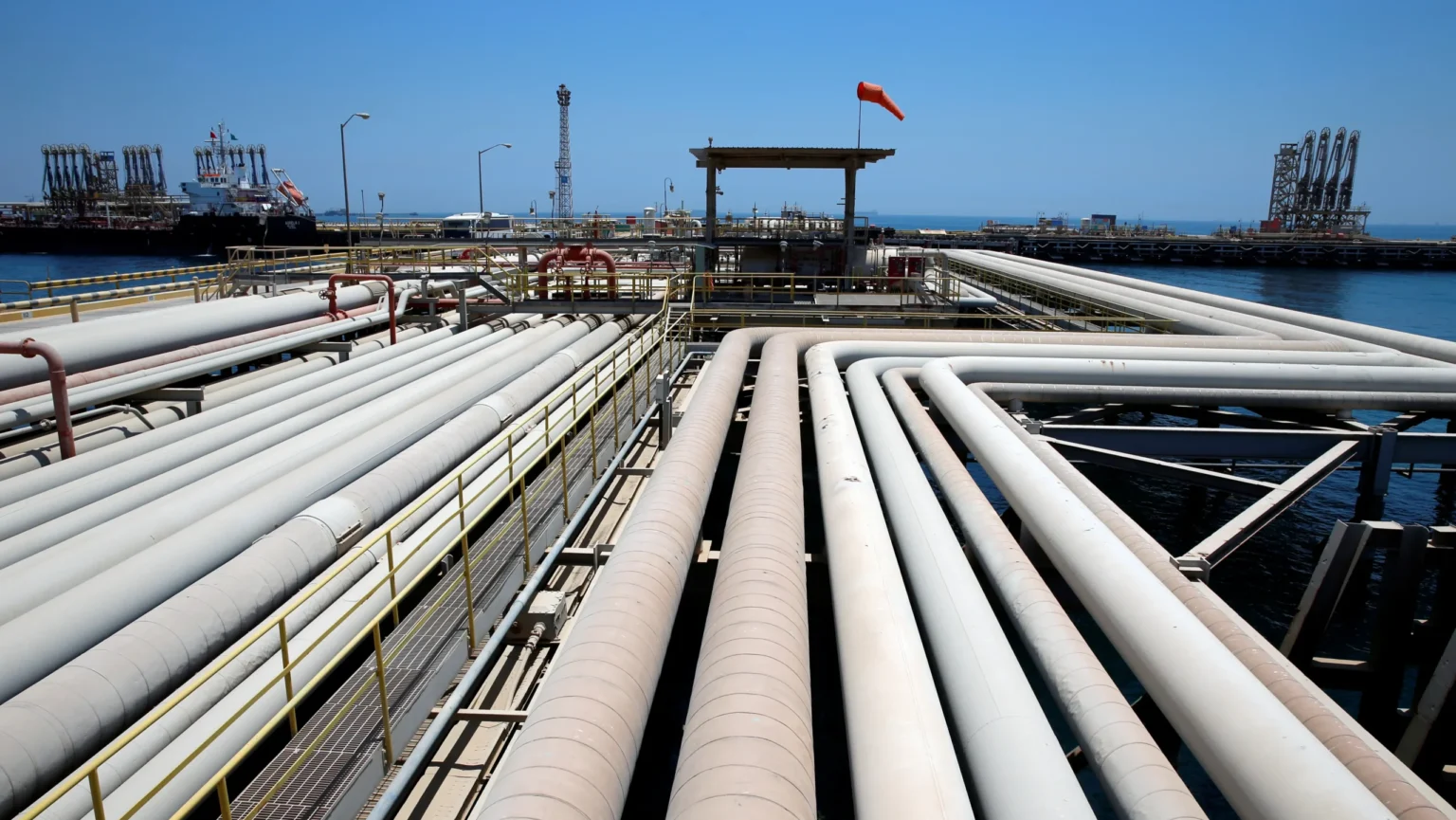
For decades, the Gulf Cooperation Council (GCC) economies were defined by oil. Energy revenues funded cities, infrastructure, and generous social systems, shaping the region’s global identity. But today, the story is changing in a meaningful and lasting way. Across Saudi Arabia, the UAE, Qatar, Kuwait, Oman, and Bahrain, economic growth is no longer driven primarily by oil prices or production volumes.
Recent data shows that non-oil sectors now account for roughly 73% of total GDP growth across the GCC, a striking shift that highlights how diversification strategies are no longer aspirational plans, but operational realities. This transformation is not only reshaping economic structures but also strengthening resilience against global shocks, energy transitions, and cyclical downturns.
This report explains how the GCC reached this point, which sectors are leading the change, and why this diversification is proving to be one of the region’s most powerful economic advantages.
Understanding the GCC’s Shift Beyond Oil
The move away from oil dependence did not happen overnight. It is the result of long-term planning, policy reform, and massive investment across multiple industries. Vision strategies such as Saudi Vision 2030, UAE’s economic diversification agenda, and Qatar National Vision 2030 laid the foundation for change years ago.
Governments focused on reducing fiscal vulnerability, attracting foreign investment, modernizing regulation, and building ecosystems that could compete globally. The payoff is now visible. While oil remains an important revenue source, economic momentum increasingly comes from sectors that are more stable, employment-intensive, and future-oriented.
This diversification has also softened the impact of oil market volatility. When energy prices fluctuate, non-oil activity continues to support growth, consumer confidence, and investment flows.
Why Non-Oil Growth Equals Economic Resilience
Economic resilience is about more than growth rates. It is about the ability to absorb shocks, adapt to change, and sustain momentum during uncertain global conditions. Non-oil sectors provide this resilience in several ways.
They generate recurring domestic demand, create broader employment opportunities, and attract long-term capital rather than speculative flows. They also integrate the GCC into global value chains beyond energy, strengthening trade links with Asia, Europe, and Africa.
Most importantly, diversified economies are better positioned for the global energy transition. As the world moves toward cleaner energy, the GCC’s growing non-oil base ensures prosperity is not tied to a single commodity.
Real Estate and Construction: Building Economic Depth
Urban Development as an Economic Engine
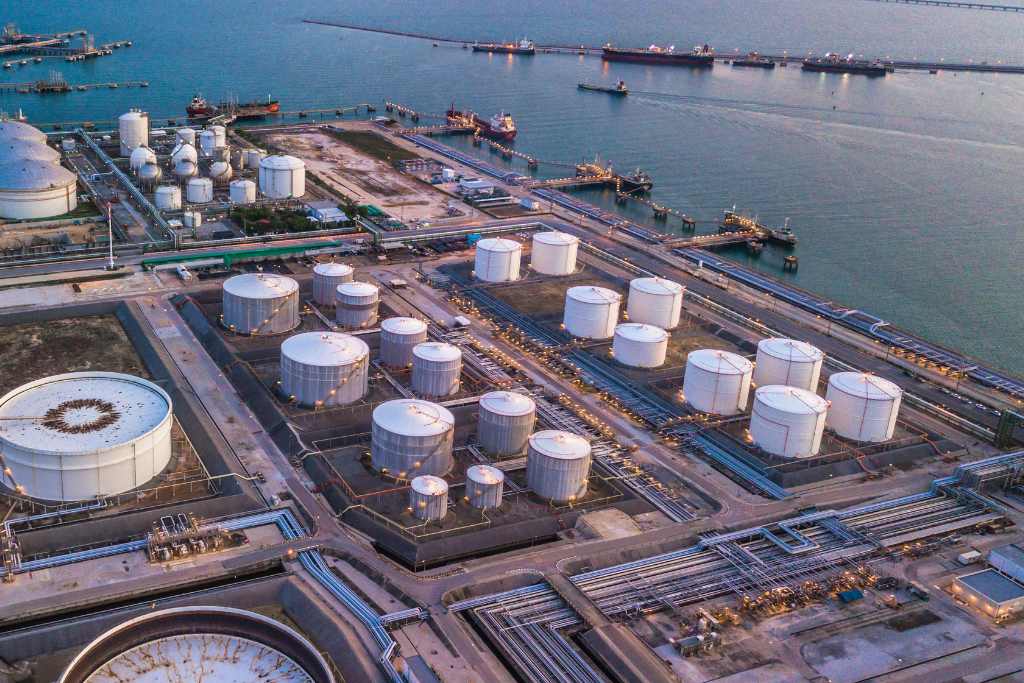
Real estate and construction have become powerful drivers of non-oil growth across the GCC. Large-scale urban projects, new cities, logistics hubs, and mixed-use developments are reshaping skylines and economic geography.
In Saudi Arabia, giga-projects are stimulating demand across engineering, materials, design, and services. In the UAE, steady population growth and global investor interest continue to support residential and commercial markets. These projects do more than create buildings; they activate supply chains and create thousands of jobs.
Beyond Cycles to Structural Growth
Unlike past construction booms, today’s real estate expansion is more disciplined and demand-driven. Regulatory reforms, improved transparency, and long-term urban planning have reduced speculative excesses. This shift makes construction a more sustainable contributor to GDP rather than a volatile one.
Tourism and Hospitality: From Seasonal to Strategic
Tourism as a Core Economic Pillar
Tourism is one of the most visible symbols of the GCC’s economic transformation. The region has moved beyond business travel and religious tourism to embrace leisure, culture, entertainment, and sports.
Saudi Arabia’s opening to international tourism, the UAE’s continued dominance as a global hub, and Qatar’s expansion of events and hospitality infrastructure have all contributed to strong non-oil growth. Tourism spending feeds directly into retail, transport, food services, and entertainment, creating multiplier effects across the economy.
Job Creation and Small Business Growth
Hospitality is labor-intensive, making it a critical sector for employment. It also supports small and medium-sized enterprises, from tour operators to local food brands. This broad-based impact strengthens domestic consumption and social stability.
Financial Services: The Backbone of Diversification
Expanding Banking and Capital Markets
The financial sector plays a central role in translating diversification plans into reality. Strong banking systems across the GCC are financing infrastructure, private sector expansion, and consumer activity.
Capital markets have also matured significantly. Stock exchanges, debt markets, and investment platforms are attracting regional and international investors, increasing liquidity and transparency. This financial depth supports sustained non-oil growth by enabling businesses to scale.
Fintech and Digital Finance Momentum
Digital banking, payment platforms, and fintech startups are expanding rapidly. Supportive regulation and high digital adoption rates have turned the GCC into a regional fintech hub. These innovations increase efficiency, reduce costs, and improve access to finance for startups and SMEs.
Manufacturing and Industrial Growth: Value Beyond Extraction
From Raw Materials to Advanced Industry
Manufacturing is no longer limited to basic petrochemicals. GCC countries are moving up the value chain into advanced materials, pharmaceuticals, food processing, and industrial equipment.
Industrial zones and special economic areas offer incentives, logistics advantages, and streamlined regulation. This has attracted global manufacturers and encouraged local firms to expand production capabilities.
Strengthening Export Diversity
Non-oil manufacturing exports are rising, reducing reliance on energy shipments. This diversification improves trade balances and makes export revenues more stable during commodity price swings.
Logistics and Trade: Leveraging Geographic Advantage
A Global Crossroads Economy
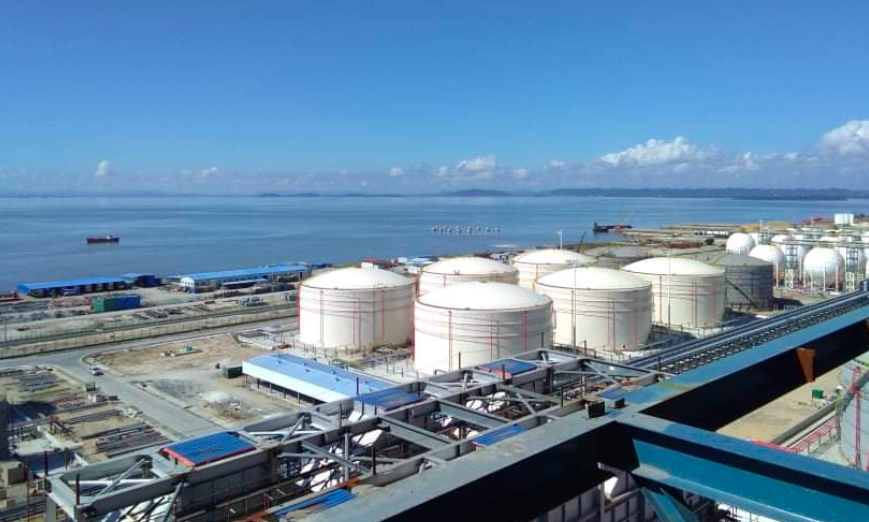
The GCC’s geographic position between Asia, Europe, and Africa gives it a natural advantage in logistics. Investments in ports, airports, rail networks, and digital customs systems have turned the region into a global trade gateway.
Logistics contributes directly to GDP while enabling growth in manufacturing, e-commerce, and retail. It also attracts multinational companies seeking efficient regional distribution hubs.
Supporting the Digital Economy
E-commerce growth has accelerated demand for last-mile delivery, warehousing, and supply chain technology. These activities further expand non-oil economic output while encouraging innovation.
Technology and Innovation: The Fastest-Growing Frontier
Digital Transformation Across Sectors
Technology is no longer a standalone industry; it underpins growth across healthcare, education, finance, and government services. Cloud computing, artificial intelligence, and data analytics are being adopted at scale.
Government-led digital initiatives have improved efficiency and transparency, making the business environment more attractive. Private sector innovation is following, supported by venture capital and startup accelerators.
Building Knowledge-Based Economies
By investing in skills, research, and innovation, GCC countries are laying the groundwork for long-term competitiveness. Knowledge-based growth is less resource-intensive and more adaptable, strengthening resilience over time.
Healthcare and Education: Investing in Human Capital
Healthcare as an Economic Contributor
Healthcare spending has increased significantly, driven by population growth and rising expectations. Private hospitals, pharmaceutical manufacturing, and medical tourism are expanding, adding to non-oil GDP.
This sector also reduces economic leakage by keeping healthcare spending within the region.
Education for Sustainable Growth
Education reforms and private sector participation are creating a more skilled workforce. Universities, vocational training centers, and international partnerships are aligning skills with labor market needs, supporting productivity across all sectors.
The Role of Government Policy and Reform
Regulation That Enables Growth
Policy reform has been critical to diversification success. Measures such as foreign ownership liberalization, streamlined licensing, and public-private partnerships have reduced barriers to entry.
Governments are increasingly acting as facilitators rather than sole economic drivers, encouraging private investment and competition.
Fiscal Stability and Long-Term Planning
Strong fiscal buffers and disciplined spending have allowed GCC governments to invest through economic cycles. This stability reinforces confidence among investors and businesses, supporting sustained non-oil expansion.
What the 73% Figure Really Means
When non-oil sectors contribute roughly 73% of GDP growth, it signals a structural shift rather than a temporary trend. It means growth is coming from everyday economic activity, not just commodity windfalls. It reflects millions of transactions across retail, services, manufacturing, and technology.
This level of diversification reduces vulnerability, supports employment, and creates a more balanced growth model. It also positions the GCC as a competitive, modern economic bloc with long-term relevance.
Looking Ahead: A More Balanced GCC Economy
The GCC’s economic transformation is still unfolding, but its direction is clear. Oil will remain important, but it is no longer the sole engine of prosperity. Non-oil sectors are now carrying the weight of growth, stability, and opportunity.
This shift is making GCC economies more resilient, more inclusive, and more globally integrated. As diversification deepens, the region’s ability to navigate global uncertainty will only strengthen.
The story of GCC growth today is not about what is being replaced, but about what is being built. And what is being built is a stronger, broader, and more confident economic future.
Do follow Gulf Magazine on Instagram.
Also Read – UAE and Saudi Stock Markets Show Mixed Signals as Investors Stay Selective

