

The Gulf Cooperation Council (GCC) region is on the brink of an economic revival, with projections indicating that GCC economic growth will accelerate to 3.3% by 2025. This anticipated growth comes as oil production cuts unwind, showcasing the resilience and adaptability of these economies in the face of fluctuating global oil prices.
As the world grapples with various economic challenges, the GCC region is poised to emerge stronger, leveraging its wealth of resources and strategic diversification efforts. Let’s delve deeper into the factors driving this optimistic outlook and what it means for the future of the GCC economies.
Understanding the Current Economic Landscape
The GCC, comprising Bahrain, Kuwait, Oman, Qatar, Saudi Arabia, and the United Arab Emirates, has historically relied heavily on oil exports. However, recent years have seen a significant shift toward economic diversification. This movement is vital as the region seeks to reduce its dependency on oil and create a sustainable economic model.
Economic resilience in the GCC has been tested by various factors, including global market fluctuations, geopolitical tensions, and the impact of the COVID-19 pandemic. Despite these challenges, GCC economies have showcased remarkable adaptability, emphasizing innovation and investment in non-oil sectors.
The Role of Oil Production Cuts
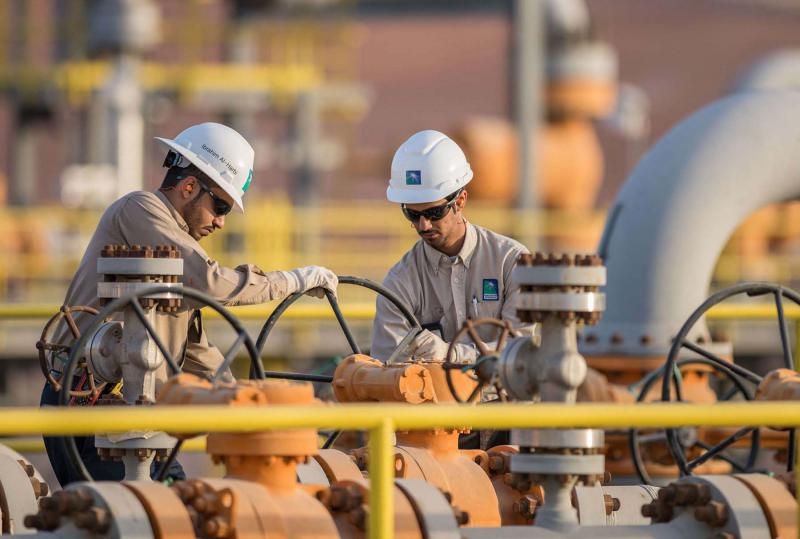
Oil production cuts have been a significant aspect of the GCC’s economic strategy. These cuts, aimed at stabilizing global oil prices, have led to a temporary slowdown in oil revenues. However, as these cuts begin to unwind, the GCC is set to benefit from increased production levels, ultimately contributing to a boost in economic growth.
As oil output ramps up, governments in the region will likely reinvest these revenues into infrastructure projects, social programs, and initiatives designed to stimulate economic activity. This reinvestment will be crucial in sustaining the projected growth rate of 3.3% by 2025.

Diversification Efforts Paying Off
In recent years, the GCC has made significant strides in diversifying its economies. Countries have invested in sectors such as tourism, technology, renewable energy, and finance. This diversification has been essential in mitigating the risks associated with oil dependency.
For instance, Saudi Arabia’s Vision 2030 initiative aims to reduce the kingdom’s reliance on oil by transforming various sectors. Similarly, the UAE has focused on becoming a global hub for tourism and innovation. These efforts are beginning to bear fruit, and as oil production cuts unwind, the economic landscape will become even more vibrant.
Investment in Infrastructure and Technology
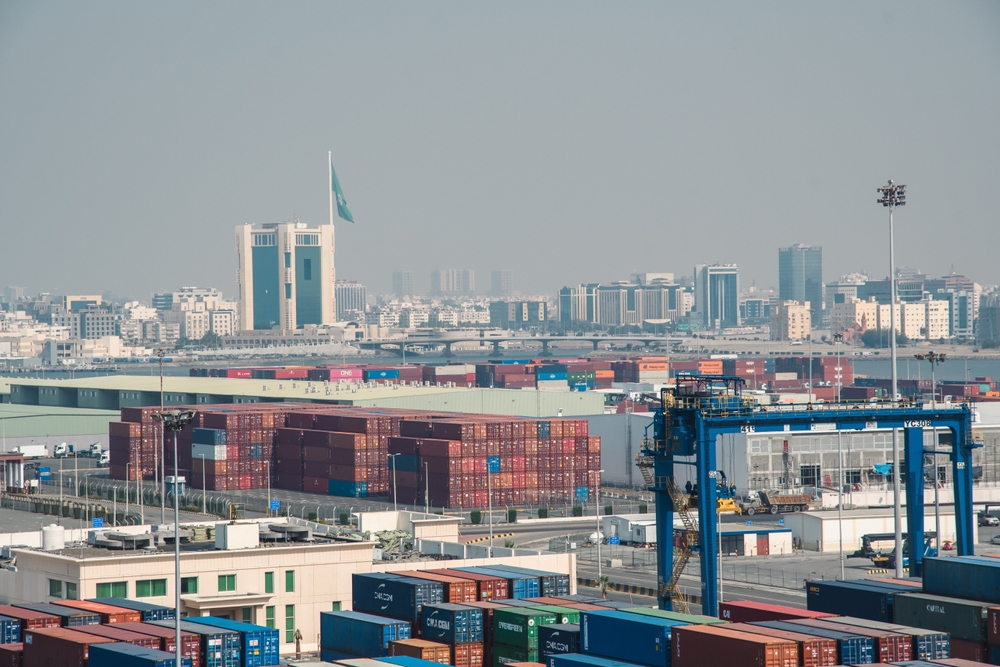
A crucial driver of the anticipated economic growth is the ongoing investment in infrastructure and technology. The GCC countries are investing heavily in modernizing their transport networks, developing smart cities, and enhancing digital capabilities.
These investments not only create jobs but also improve the overall quality of life for residents and expatriates alike. By investing in infrastructure and technology, the GCC is setting the stage for sustainable economic growth that extends beyond oil revenues.
The Future of GCC Economic Growth
The forecasted economic growth of 3.3% in 2025 represents a significant step forward for the GCC. This growth will be primarily fueled by the unwinding of oil production cuts, increased investments in diversification, and a strong commitment to innovation.
As the global economy continues to evolve, the GCC’s proactive approach will be vital in navigating potential challenges. The region’s ability to adapt and thrive in a post-oil world will determine its long-term economic stability.
Conclusion: A Bright Horizon for GCC Economies
In summary, GCC economic growth is set to accelerate to 3.3% in 2025 as oil production cuts unwind. This optimistic outlook is a testament to the resilience and adaptability of the region’s economies. With ongoing diversification efforts, substantial investments in infrastructure, and a commitment to innovation, the GCC is well-positioned for a prosperous future.
As we look ahead, the positive momentum in the GCC economies offers hope for a sustainable and diversified economic landscape that benefits all its inhabitants.
Do follow Gulf Magazine on Instagram.
Also Read – Dubai GDP 2025 Surges to $96.6Bn in First 9 Months

