


The Gulf Cooperation Council (GCC) region is witnessing an unprecedented wave of industrial investments in 2025, with total inflows reaching a staggering $616 billion. This surge reflects the member countries’ unwavering commitment to diversifying their economies, boosting local manufacturing, and creating sustainable growth opportunities. Among the GCC nations, Kuwait has emerged as a clear leader, securing a remarkable $225 billion in industrial projects, highlighting its strategic focus on innovation and infrastructure development.
Kuwait’s Strategic Industrial Investment Approach
Kuwait’s remarkable achievement of $225 billion in industrial investments in 2025 is a direct result of well-planned strategies that combine economic diversification, modernization of infrastructure, and incentives for private investors. The Kuwaiti government has actively fostered an environment that encourages foreign direct investment, prioritizes advanced manufacturing, and supports innovation-driven industries.
One of the key pillars of Kuwait’s approach is the emphasis on sustainable and technologically advanced sectors. From renewable energy projects to high-tech manufacturing facilities, the country is focusing on industries that not only generate immediate economic returns but also position Kuwait as a regional hub for innovation.
Additionally, Kuwait has been strengthening partnerships with global investors to accelerate industrial development. By offering attractive investment incentives, streamlined regulatory processes, and robust infrastructure, the nation is creating an ecosystem that supports both local and international industrial growth.
GCC Industrial Investments Across the Region
While Kuwait leads the pack, the rest of the GCC is also witnessing significant industrial growth. Countries like Saudi Arabia, the United Arab Emirates, Qatar, Oman, and Bahrain are contributing to the $616 billion investment surge, each leveraging their unique strengths and strategic goals.
Saudi Arabia continues to dominate with its ambitious Vision 2030 initiatives, channeling investments into energy, petrochemicals, and advanced manufacturing sectors. The UAE focuses on technology, logistics, and smart city projects, strengthening its reputation as a global innovation hub. Qatar is advancing in infrastructure and sustainable energy, while Oman and Bahrain are attracting investments in manufacturing and industrial services.
The GCC’s collective investment strategy is not just about individual national gains; it represents a coordinated regional vision to create economic resilience, reduce dependence on oil, and foster long-term prosperity.
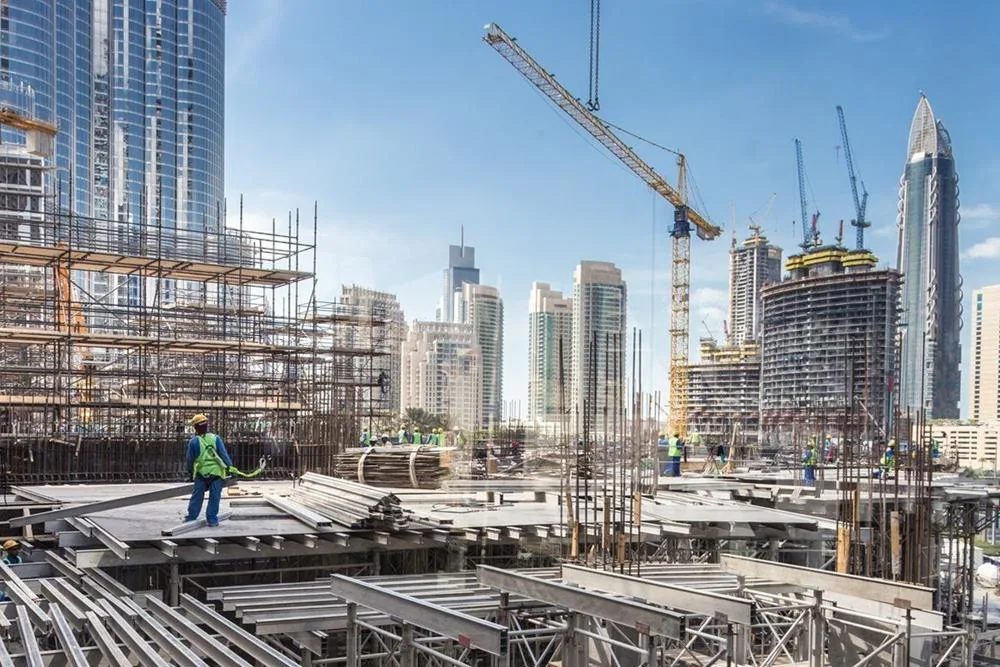
Key Sectors Driving Industrial Growth
The surge in GCC industrial investments is concentrated in several high-potential sectors. Among the most prominent are:
Manufacturing and Industrial Production
Advanced manufacturing remains a core driver of industrial investments. From petrochemical plants to automotive production and electronics manufacturing, GCC countries are scaling up capabilities to meet both regional and global demand. Kuwait’s investments in high-tech factories and industrial zones are setting a benchmark for the region.
Renewable Energy and Sustainability
With sustainability at the forefront of global economic priorities, GCC nations are investing heavily in renewable energy projects, including solar, wind, and green hydrogen. Kuwait’s industrial strategy aligns with this trend, focusing on eco-friendly production methods and energy-efficient technologies that reduce carbon emissions and promote sustainable development.
Infrastructure and Logistics
Industrial growth is closely tied to infrastructure development. Investments in ports, transport networks, logistics hubs, and industrial zones are enabling smooth operations and faster distribution of goods. Kuwait’s strategic location, coupled with modern infrastructure, is making it a preferred destination for industrial projects.
Technology and Innovation
Innovation-driven industries, including robotics, artificial intelligence, and digital manufacturing, are rapidly expanding across the GCC. Kuwait is actively integrating cutting-edge technologies into its industrial strategy, ensuring that the country remains competitive in the global industrial arena.
Economic and Social Impact
The $616 billion industrial investment in the GCC, with Kuwait leading the way, is set to have far-reaching economic and social impacts.
Job Creation and Skill Development
Industrial expansion directly contributes to employment opportunities across multiple sectors. Skilled labor demand is rising, prompting governments to invest in education, vocational training, and professional development programs. Kuwait’s industrial projects are expected to generate thousands of new jobs, supporting both local talent and international expertise.
Economic Diversification
For decades, the GCC economies relied heavily on oil revenues. Industrial investments are now diversifying income streams, fostering resilience against oil price fluctuations, and driving sustainable economic growth. Kuwait’s strategy exemplifies this shift, with diversified industrial investments creating a balanced and future-ready economy.
Regional Competitiveness and Global Positioning
By attracting massive investments and modernizing industrial capabilities, GCC nations are enhancing their global competitiveness. Kuwait, with its $225 billion secured, is now recognized as a key industrial hub in the Middle East, offering investors access to a rapidly growing market and strategic logistics advantages.
Future Outlook for GCC Industrial Investments
The trajectory of industrial investments in the GCC suggests continued growth and strategic expansion. Experts predict that investment volumes will keep rising as governments strengthen economic reforms, enhance industrial infrastructure, and foster innovation-driven ecosystems.
Kuwait is poised to maintain its leadership role by further enhancing investment incentives, promoting research and development, and building world-class industrial zones. Other GCC nations are expected to follow suit, focusing on high-value sectors, sustainability, and technological advancement.
The long-term outlook indicates that the GCC could become a global leader in industrial production, renewable energy, and advanced manufacturing, transforming the regional economy into a diversified, innovation-driven powerhouse.
Challenges and Opportunities
While the GCC industrial landscape is thriving, it is not without challenges. Fluctuating global market conditions, supply chain disruptions, and the need for skilled labor are ongoing concerns. However, these challenges also present opportunities for innovation, strategic planning, and collaboration between governments and private enterprises.
For Kuwait, leveraging technological solutions, enhancing workforce skills, and maintaining a favorable investment climate will be critical to sustaining growth. The country’s ability to adapt to global industrial trends and embrace sustainable practices will determine its continued success.
Conclusion
The GCC’s $616 billion industrial investments in 2025 mark a historic milestone in regional economic development. Kuwait’s leadership in securing $225 billion underscores its strategic vision, resilience, and ambition to become a regional industrial powerhouse.
This industrial surge is not merely about numbers it reflects a broader transformation, bringing economic diversification, job creation, technological innovation, and global competitiveness to the forefront. As Kuwait and other GCC nations continue to embrace ambitious industrial strategies, the region is poised to achieve sustainable growth and prosperity for decades to come.
Do follow Gulf Magazine on Instagram.
Also Read –Minister Al-Mashaan Lauds Deals Between Kuwait and Abu Dhabi Ports

