

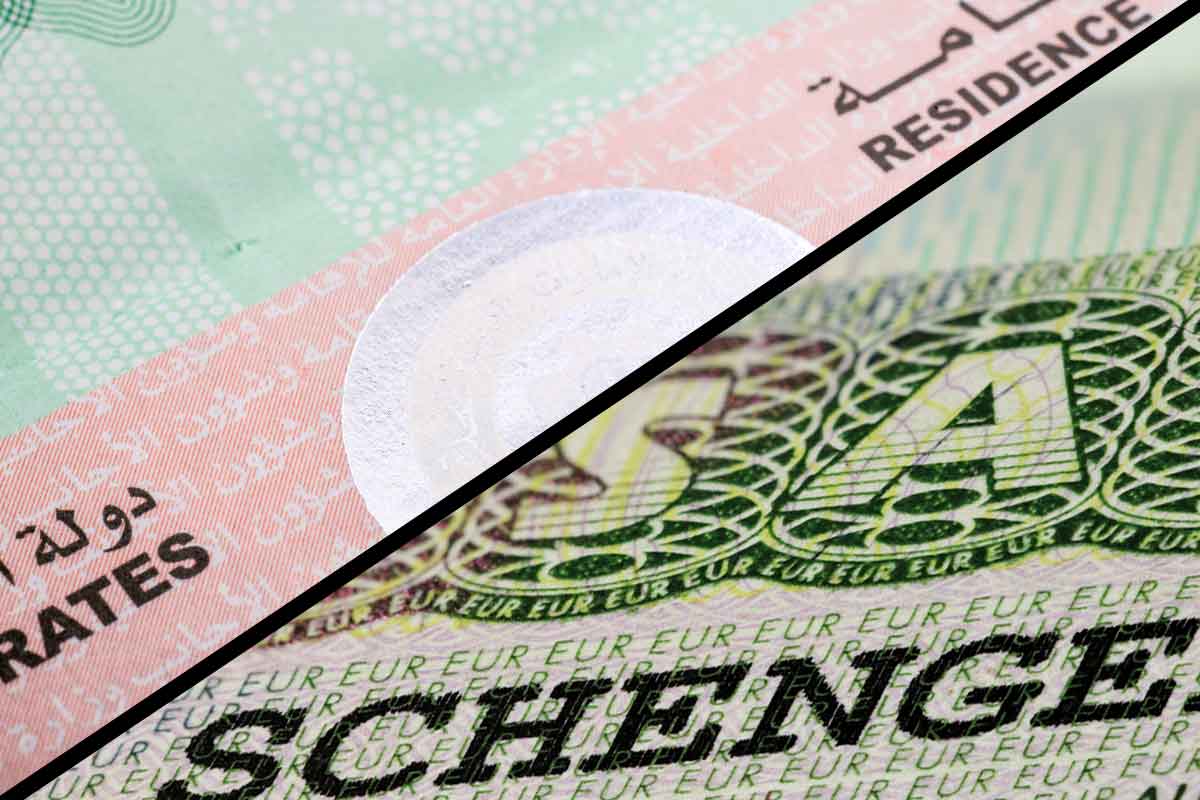
The GCC Unified Visa represents one of the most ambitious tourism initiatives ever introduced in the Gulf region. Designed to allow travelers to move freely across GCC member states with a single permit, this visa reflects a shared vision of openness, collaboration, and economic diversification. For tourists, it promises simplicity and flexibility. For governments and businesses, it signals a powerful step toward positioning the Gulf as a unified, world-class travel destination rather than a collection of individual stops.
At its heart, the unified visa is about removing friction. Travelers who once had to navigate multiple applications, fees, and entry rules will soon be able to plan multi-country journeys with ease. This shift may sound administrative, but its impact on tourism flows, spending patterns, and destination branding is expected to be transformative.
Making Multi-Country Travel Effortless
One of the biggest barriers to Gulf tourism has been fragmented entry requirements. Even frequent visitors often limited their trips to one or two countries to avoid complex visa processes. The GCC Unified Visa changes this dynamic entirely.
With a single visa, travelers can land in one country and seamlessly continue their journey to others. A visitor might explore futuristic cityscapes in the UAE, attend a cultural festival in Saudi Arabia, relax on Omani beaches, and enjoy heritage markets in Kuwait or Qatar—all within one trip. This ease of movement encourages longer stays, broader itineraries, and deeper engagement with the region.
For families, groups, and first-time visitors, the psychological comfort of simplified travel cannot be overstated. When planning becomes easier, the likelihood of choosing the Gulf over competing regions rises significantly.
Boosting Tourist Arrivals and Length of Stay
The unified visa is expected to directly increase tourist arrivals across the Gulf. International travelers, especially from Europe, Asia, and the Americas, often prefer destinations where they can maximize experiences in a single journey. By offering multiple countries under one visa, the GCC becomes far more competitive against regions like the Schengen Zone.
Equally important is the expected increase in average length of stay. Instead of short city breaks, tourists are more likely to extend their trips to explore multiple destinations. Longer stays naturally translate into higher spending on hotels, dining, transport, entertainment, and shopping, creating a ripple effect across local economies.
This shift also benefits smaller or emerging destinations within the GCC, which may have been overlooked when travel required separate visas.
Supporting Economic Diversification Goals
Tourism plays a central role in the Gulf’s long-term economic diversification strategies. As countries reduce reliance on oil revenues, travel and hospitality have emerged as key growth engines. The GCC Unified Visa aligns perfectly with these ambitions.
By encouraging cross-border travel, the visa helps distribute tourism revenue more evenly across the region. Hotels, airlines, tour operators, restaurants, and local guides all stand to gain. Increased demand also supports job creation, particularly for youth entering the service and creative sectors.
In the long run, a more integrated tourism market strengthens the Gulf’s resilience, making it less vulnerable to external economic shocks.
Empowering Airlines, Cruises, and Regional Transport
Airlines and transport providers are among the biggest beneficiaries of the unified visa. Regional carriers can design multi-destination routes that appeal to international travelers looking for variety and convenience. Instead of return tickets to a single city, tourists may opt for open-jaw itineraries that cover several Gulf capitals.
Cruise tourism also stands to grow significantly. The ability for passengers to disembark at multiple ports without visa complications makes the Gulf a more attractive cruise destination. This encourages the development of port infrastructure, shore excursions, and local tourism services in coastal cities.
Improved connectivity within the region supports smoother travel experiences and reinforces the Gulf’s image as a well-connected, modern destination.
Strengthening the Gulf’s Global Tourism Brand
For years, individual Gulf countries have invested heavily in global tourism branding. The unified visa adds a new layer to this effort by enabling collective storytelling. Instead of marketing isolated experiences, the region can now promote itself as a diverse yet cohesive destination.
Travelers increasingly seek variety—culture, adventure, luxury, nature, and cuisine—within a single trip. The Gulf offers all of this in close geographic proximity. The unified visa allows tourism boards to collaborate on campaigns that highlight shared heritage alongside unique national identities.
This collective approach strengthens the Gulf’s position on the global tourism map and increases its appeal to long-haul travelers.
Encouraging Cultural Exchange and Deeper Experiences
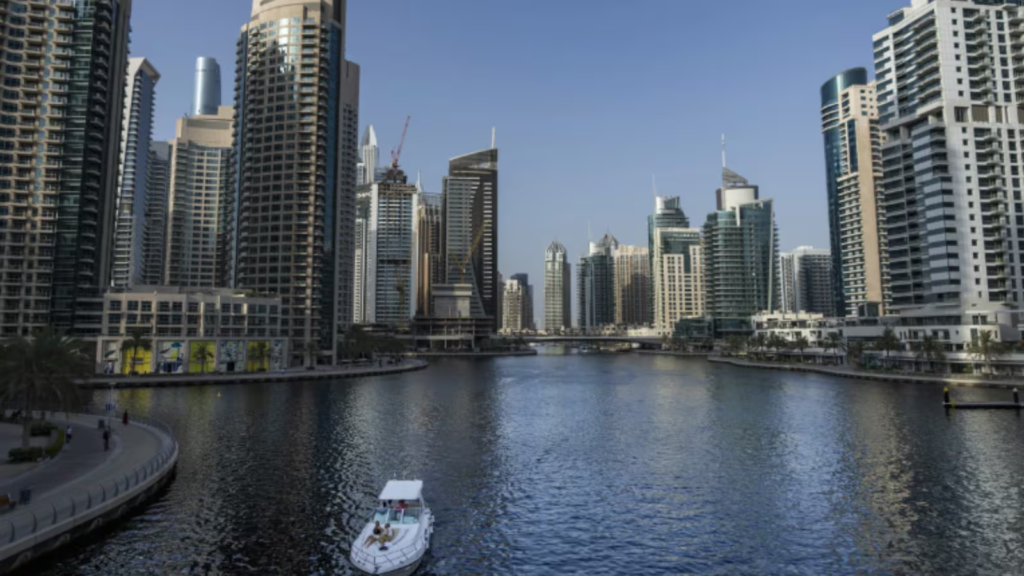
Tourism is not only about numbers; it is also about connection. By enabling visitors to experience multiple Gulf cultures in one journey, the unified visa promotes deeper understanding and appreciation of the region’s diversity.
Travelers can witness how traditions, architecture, cuisine, and lifestyles vary across borders while still sharing common roots. This layered experience encourages repeat visits and more meaningful engagement with local communities.
For residents of the Gulf, increased tourism fosters cultural exchange and pride, reinforcing the value of preserving heritage while embracing modernity.
Unlocking Opportunities for Small and Medium Businesses
Large hotels and airlines may dominate headlines, but small and medium-sized businesses often feel the most immediate impact of tourism growth. The unified visa creates new opportunities for local tour operators, boutique hotels, artisans, and food entrepreneurs across the Gulf.
Multi-country tour packages, regional food trails, and cultural itineraries become easier to design and sell. Businesses can collaborate across borders, offering experiences that were previously impractical due to visa limitations.
This cross-border collaboration encourages innovation and helps smaller players compete in a growing tourism ecosystem.
Digital Innovation and Smarter Travel Management
The implementation of the GCC Unified Visa is closely linked with digital transformation. Streamlined online applications, shared databases, and coordinated border processes improve both security and traveler convenience.
For tourists, digital systems mean faster approvals, clearer information, and reduced uncertainty. For authorities, integrated platforms enable better data analysis, helping governments understand travel trends and plan infrastructure accordingly.
Smart travel management ensures that growth remains sustainable, balancing visitor numbers with quality of experience.
Managing Challenges and Expectations
While the benefits are substantial, the unified visa also brings challenges. Coordinating policies across multiple countries requires strong governance and clear communication. Differences in regulations, fees, and enforcement must be aligned to avoid confusion.
There is also a need to manage overtourism in popular destinations while encouraging visitors to explore lesser-known areas. Strategic planning and investment in infrastructure will be essential to ensure that tourism growth enhances, rather than strains, local communities.
Addressing these challenges proactively will determine the long-term success of the initiative.
A Turning Point for Gulf Tourism
The GCC Unified Visa marks a turning point in how the world experiences the Gulf. By transforming multiple destinations into one seamless journey, it redefines convenience, value, and discovery for travelers.
More than a travel document, the visa represents trust, cooperation, and a shared future. It invites the world to see the Gulf not just as a stopover or luxury escape, but as a rich, interconnected region worthy of extended exploration.
As implementation unfolds, the unified visa has the potential to reshape tourism flows, strengthen regional identity, and open a new chapter of growth and connection across the Gulf.
Do follow Gulf Magazine on Instagram.
Also Read – GCC Tourist Visa Explained: Countries, Rules, and Eligibility

