

The Gulf Cooperation Council (GCC) region, known for its sunny skies and desert landscapes, has recently experienced unusual weather patterns. This unexpected shift has created disruptions across multiple sectors, impacting sports events, air travel, and daily life. From canceled football matches to halted flights and surprise snowfall in parts of the region, residents and travelers alike are grappling with the consequences of severe weather.
Unpredictable Weather Hits the GCC Hard
The GCC has traditionally been associated with arid deserts, warm winters, and minimal rainfall. However, climate patterns are changing, and the region has witnessed extreme weather conditions in recent weeks. Heavy rainfall, strong winds, and even occasional snowfall in higher-altitude areas have become more frequent.
This unpredictable weather has caught many off guard, affecting everything from public events to private travel plans. Organizers of sports matches, concerts, and outdoor gatherings have had to make last-minute adjustments, leaving fans and attendees frustrated yet understanding of the safety concerns.
Sports Matches Canceled Amid Safety Concerns
Football is a beloved sport across the GCC, with matches drawing thousands of fans to stadiums every week. However, the recent weather disruptions have forced the cancellation of several high-profile matches.
Authorities cited safety concerns, especially for stadiums that lack adequate drainage systems or are exposed to harsh winds. Players and coaching staff have also faced challenges, as training sessions had to be postponed due to heavy rainfall and slippery conditions. Fans traveling from neighboring cities were particularly affected, leading to logistical nightmares and last-minute refunds.
In some cases, leagues have rescheduled matches for later dates, but this has created congested fixtures and put additional pressure on teams. Social media has been flooded with reactions from frustrated supporters, while others expressed sympathy for the players and organizers navigating these unprecedented challenges.

Flight Disruptions: Travel Plans Thrown Off Course
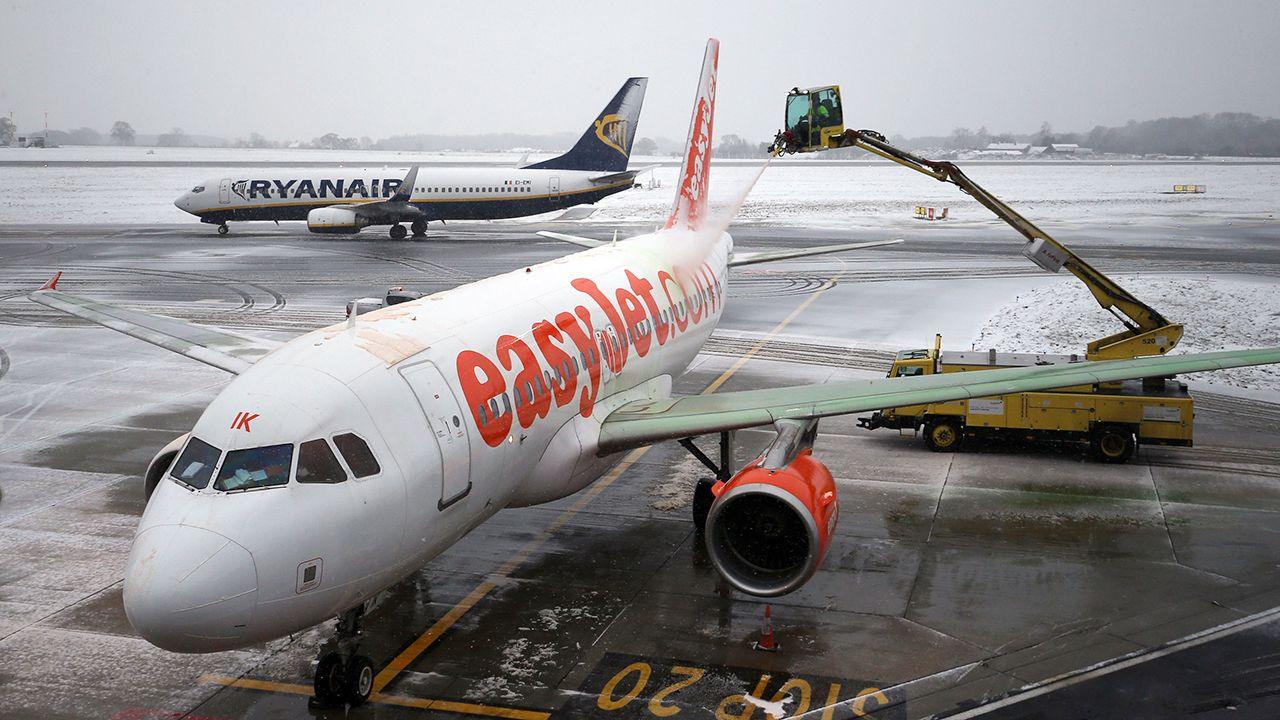
Air travel has been severely impacted across the GCC. Major airports in Saudi Arabia, the UAE, and Qatar reported multiple flight delays and cancellations due to low visibility, strong winds, and storm warnings. Passengers were stranded for hours, with some flights being rerouted to neighboring airports.
Airport authorities have urged travelers to check their flight statuses regularly, while airlines have scrambled to accommodate affected passengers. Emergency protocols were implemented to ensure the safety of travelers and crew, including ground halts and additional staffing to manage crowded terminals.
Frequent flyers in the region have expressed frustration at the unpredictability, but aviation experts emphasize that safety must remain the top priority. Weather disruptions have also highlighted the need for improved forecasting systems in the GCC, which traditionally relied on more stable climate patterns.
Snowfall Surprises in Higher Altitude Regions
Perhaps the most remarkable development has been the sudden snowfall in elevated areas of the GCC, particularly in parts of Saudi Arabia and Oman. While rare, these snowfalls have attracted curiosity and excitement from local residents and tourists alike.
Communities unaccustomed to snow had to adapt quickly, as roads became slippery and travel slowed down. Authorities advised caution, especially in mountainous areas prone to accidents during icy conditions. Social media platforms were flooded with images and videos of snow-covered landscapes, with locals sharing the rare beauty of a winter spectacle in a desert region.
While snow brought joy to many, it also created logistical challenges. Schools and universities had to adjust schedules, and outdoor events were postponed. The balance between enjoying the unexpected weather and ensuring public safety became a key concern for authorities.
Economic Impacts of Weather Disruptions
The GCC economy, which heavily relies on tourism, retail, and events, has also been affected. Sports matches and public events contribute significantly to local revenue, and cancellations have caused financial losses for organizers, vendors, and hospitality businesses.
Airlines faced additional costs due to rerouted flights, increased staffing requirements, and compensation for affected passengers. Retailers reported a decline in foot traffic, as residents and tourists opted to stay indoors during heavy rains or snowfall.
Experts suggest that these disruptions could encourage investment in more robust infrastructure and contingency planning to better manage extreme weather. Hotels and event organizers are exploring insurance options and flexible scheduling to minimize losses in future scenarios.
Public Response: Balancing Caution and Curiosity
The general public’s response to the weather disruptions has been a mix of frustration, concern, and fascination. While match cancellations and travel delays caused inconveniences, many residents were captivated by the rare snowfall and dramatic weather patterns.
Families took the opportunity to capture memories, with children playing in snow-laden areas and adults sharing photos on social media. Communities came together to support each other, assisting with transportation, road clearance, and emergency needs.
Authorities also launched awareness campaigns to educate the public on safe practices during storms, rainfall, and snow. This included tips on driving, avoiding flooded areas, and emergency preparedness, reflecting a proactive approach to managing unusual weather events.
Preparing for Future GCC Weather Challenges
Experts emphasize that extreme weather events in the GCC may become more frequent due to changing climate conditions. As a result, both governments and private sectors are exploring strategies to better handle disruptions:
- Infrastructure improvements: Enhancing drainage systems, road safety measures, and airport facilities to withstand heavy rain and storms.
- Emergency preparedness: Implementing clear protocols for match cancellations, flight delays, and public safety during extreme weather.
- Public awareness: Educating communities about safe practices and emergency response during unusual weather conditions.
- Technological upgrades: Investing in advanced weather forecasting tools to provide early warnings and minimize last-minute disruptions.
By adopting these measures, the GCC can reduce the impact of extreme weather on public life and maintain economic stability despite unpredictable climate conditions.
Looking Ahead: Adapting to a Changing Climate
The recent weather disruptions across the GCC serve as a wake-up call for the region. Residents, businesses, and authorities are learning to adapt to conditions that were once considered rare. While challenges such as canceled matches, flight delays, and snowfall create immediate inconveniences, they also highlight opportunities for innovation and resilience.
As the GCC continues to develop and modernize, integrating climate-conscious planning into infrastructure, transportation, and event management will be crucial. Residents can also take proactive steps, including flexible travel plans, emergency preparedness kits, and staying informed about weather alerts.
Ultimately, the region’s ability to adapt to these changes will determine how smoothly society functions amid nature’s unpredictability. While disruptions are frustrating, the spirit of resilience and community in the GCC shines through, demonstrating that people can navigate even the most unexpected weather challenges.
Conclusion: Weather May Disrupt, But Life Goes On
Severe weather in the GCC has shaken routines, halted events, and tested public patience. Yet, it has also inspired awe and a newfound appreciation for the region’s rare natural phenomena. From snowfall in the mountains to storms affecting flights and football matches, residents are learning to adapt to a new normal.
The human response to these challenges supporting each other, adjusting schedules, and sharing moments of wonder demonstrates resilience. While disruptions may be inevitable, planning, awareness, and flexibility can help minimize the impact of extreme weather in the future.
The GCC’s experience serves as a reminder that even in regions known for predictability, nature can surprise, and communities must be prepared to embrace both challenges and opportunities with courage and adaptability.
Do follow Gulf Magazine on Instagram.
Also Read – Kuwait New Year 2026 Holiday: Public Break, Work Resumes January 4

