

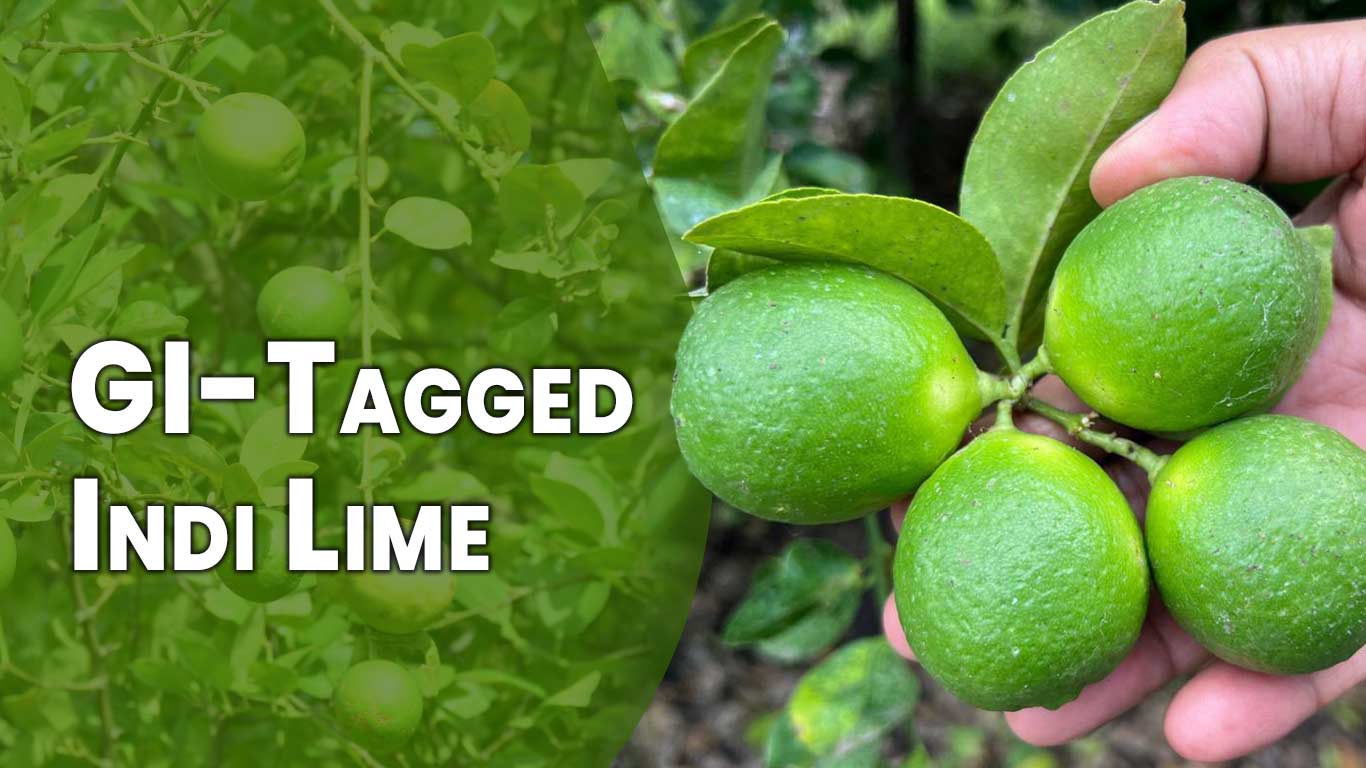
India has taken another confident step forward in global agricultural trade with the first-ever export of GI-tagged Indi Lime to Oman. This milestone is not just about sending a shipment overseas; it represents recognition, identity, and pride for Indian farmers whose traditional produce is now gaining international appreciation. The moment marks a blend of heritage, quality, and opportunity coming together on a global platform.
The export of Indi Lime to Oman reflects India’s growing focus on promoting region-specific agricultural products and strengthening its presence in premium international markets. It also signals trust in India’s quality standards and supply capabilities, opening doors for future exports of GI-tagged products.
Understanding Indi Lime and Its GI Tag
Indi Lime is a unique citrus fruit known for its distinctive aroma, balanced acidity, and high juice content. Cultivated in specific regions of India under particular climatic conditions, this lime has long been valued in local markets for its freshness and culinary versatility.
The Geographical Indication tag plays a crucial role in protecting the identity of Indi Lime. A GI tag certifies that the product originates from a defined region and possesses qualities or a reputation linked to that location. For Indi Lime, this recognition safeguards its authenticity while ensuring that farmers receive fair value for their produce.
Why the GI Tag Matters for Farmers
For farmers, the GI tag is more than a legal label. It acts as a shield against imitation and misuse, ensuring that only genuine produce can be marketed under the name Indi Lime. This helps farmers command better prices, build long-term market trust, and gain access to premium buyers both in India and abroad.
The GI status also encourages sustainable cultivation practices by preserving traditional farming methods that define the fruit’s unique character.
Oman as a Strategic Export Destination
Oman has emerged as an important market for fresh fruits due to its rising demand for high-quality agricultural imports. Consumers in the country value freshness, taste, and traceability, making GI-tagged products especially attractive.
The successful export of Indi Lime to Oman demonstrates how Indian produce can meet international quality expectations. It also highlights the strengthening trade relationship between India and Gulf nations, where demand for fresh, reliable food supplies continues to grow.
Growing Demand for Indian Agricultural Produce
Indian fruits and vegetables have been steadily gaining popularity in international markets due to improved supply chains, better packaging, and compliance with global standards. The Indi Lime export fits perfectly into this trend, showcasing India’s ability to deliver both volume and quality.
This development could encourage other importers in the region to explore Indian GI-tagged products, expanding India’s agricultural footprint even further.
The Journey From Farm to Foreign Market
Exporting fresh produce is a complex process that requires coordination at multiple levels. From careful harvesting to grading, packaging, and transportation, every step must be managed precisely to preserve freshness and quality.
In the case of Indi Lime, farmers, exporters, and government agencies worked closely to ensure that the shipment met Oman’s import requirements. Temperature control, hygienic handling, and proper documentation were critical factors in the success of this first export.
Role of Farmer Collectives and Exporters
Farmer producer organizations and exporters played a key role in bridging the gap between local farms and international buyers. By aggregating produce and maintaining consistent quality, they helped create a reliable supply chain capable of meeting export demands.
Their involvement also ensures that farmers remain central beneficiaries of export growth rather than being sidelined by intermediaries.
Economic and Social Impact
The first export of GI-tagged Indi Lime to Oman carries significant economic promise. Higher export prices can lead to better incomes for farmers, encouraging them to invest more in quality cultivation and post-harvest practices.
Beyond economics, this achievement brings social recognition to farming communities. It validates their traditional knowledge and reinforces pride in local agricultural heritage.
Encouraging Youth Participation in Agriculture
When traditional crops gain international recognition, they make agriculture more attractive to younger generations. Success stories like Indi Lime exports show that farming can be innovative, profitable, and globally connected, motivating youth to remain engaged in agriculture rather than moving away from it.
Boost to India’s GI Ecosystem
India has one of the largest numbers of GI-tagged products in the world, covering food items, handicrafts, and agricultural produce. However, global awareness of these products is still growing.
The Indi Lime export to Oman acts as a strong example of how GI tagging can translate into real commercial success. It reinforces the importance of branding, quality control, and market linkage in making GI products globally competitive.
Setting a Precedent for Other GI Products
This success can inspire similar export initiatives for other GI-tagged fruits and vegetables. With proper planning and market research, many regional specialties have the potential to reach international shelves.
As more GI products enter global markets, India’s image as a supplier of authentic, high-quality produce will continue to strengthen.
Challenges and Learnings
While the first export marks a victory, it also highlights challenges such as maintaining consistent supply, meeting strict quality norms, and managing logistics costs. These factors require continuous attention and innovation.
However, every successful shipment brings valuable learning. Exporters and farmers now have better insights into market preferences, packaging standards, and compliance requirements, which will make future exports smoother.
Importance of Infrastructure and Support
Cold storage facilities, efficient transportation, and access to timely information are essential for sustaining export growth. Strengthening these areas will be key to scaling up Indi Lime exports and ensuring long-term success.
Looking Ahead
The export of GI-tagged Indi Lime to Oman is a beginning rather than an endpoint. With rising global interest in traceable and authentic food products, the future holds strong potential for expanding markets and increasing volumes.
If supported by consistent policy backing, market promotion, and farmer participation, Indi Lime could become a recognized name beyond Indian borders, symbolizing quality and tradition.
A Moment of Pride for Indian Agriculture
This first export stands as a reminder that India’s strength lies in its diversity and heritage. When local products are nurtured, protected, and promoted effectively, they can achieve global recognition.
The journey of Indi Lime from Indian farms to Omani markets is not just a trade story. It is a human story of farmers, traditions, and aspirations finding their place on the world stage.
Do follow Gulf Magazine on Instagram.
Also Read – MoHERI and US Embassy Host Fulbright Session for Omani Academics

