

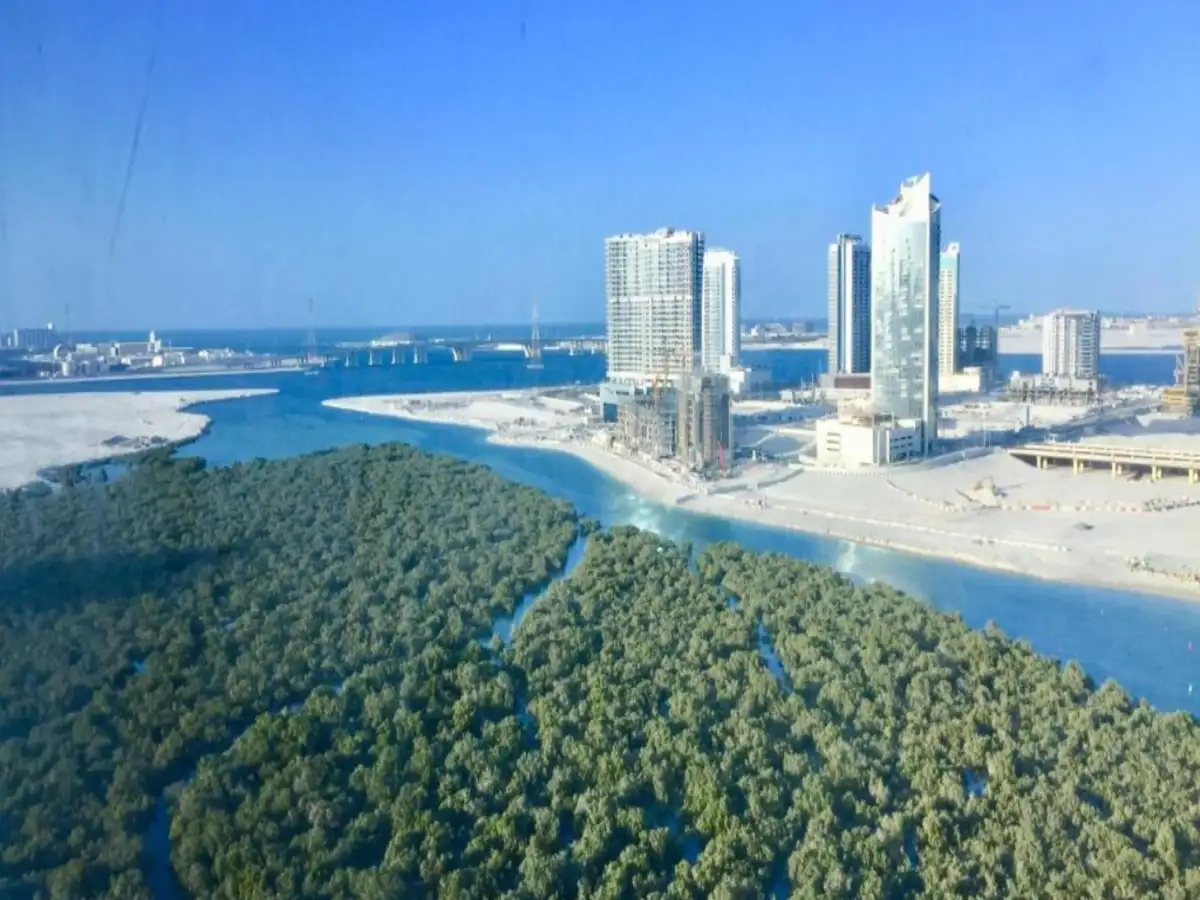
Asset‑management giant Guggenheim Investments managing roughly US$357 billion is charting a new course: establishing a presence in Saudi Arabia. The firm already has a base in Dubai and is working to get licensed in Abu Dhabi. At a recent summit in Abu Dhabi, Guggenheim’s Chief Investment Officer expressed high optimism about opportunities across the Gulf. She highlighted the region’s evolving investment environment and said the firm sees “a lot of opportunity.
This isn’t just talk. The plan is for more than a desk Guggenheim is seriously considering opening a full-fledged office in the Kingdom, possibly in Riyadh.
Why Saudi Arabia Makes Strategic Sense
Guggenheim is drawn by what Saudi Arabia and the broader Gulf region is trying to build: a diversified economic landscape beyond oil. Governments across the Gulf are investing heavily in infrastructure, transportation, technology, and more. That shift aligns nicely with Guggenheim’s strengths.
In particular, Guggenheim sees opportunities in transportation and infrastructure sectors crucial for long-term regional growth. Their interest suggests they believe Saudi Arabia’s push for modern infrastructure can generate strong, sustainable returns.
Also, the firm’s prior decision to partner with FII Institute which hosts major investment conferences in Riyadh indicates that Guggenheim is already building relationships in the Kingdom and preparing for big moves.
What This Could Mean for Investors and the Region

If Guggenheim formally sets up in Saudi Arabia:
- It could unlock new streams of capital for regional infrastructure, transport, and potentially tech and energy projects.
- It sends a strong signal to global investors: Gulf markets — especially Saudi Arabia — are viewed as stable, promising, and open for long‑term commitment.
- For the region, it may boost confidence and encourage further foreign investment, helping accelerate economic diversification beyond oil.
In short: this could be a win-win for Guggenheim and the Gulf.
Challenges and What to Watch
Of course, expanding into a new country — even one full of promise — carries challenges. Regulatory approvals, navigating local markets, and understanding regional dynamics are not small tasks.
Guggenheim will need to adapt to Saudi Arabia’s business environment, align with local policies, and build trust with domestic stakeholders.
Moreover, global economic headwinds, oil‑price fluctuations, and political/regulatory shifts in the Gulf could influence how smoothly this expansion unfolds.
What Comes Next
Right now, Guggenheim is in active consideration mode. If all goes well, the firm could soon announce a Saudi office which may lead to investment deployment in infrastructure, transport, possibly technology and energy.
This move is part of a larger trend: global asset managers are looking at Gulf economies not just as oil producers, but as future hubs for diversified investment.
For investors and observers, this is worth watching closely. A formal Guggenheim presence could reshape expectations around Gulf markets and usher in a new chapter of international engagement with the region.
Conclusion

Guggenheim’s potential entry into Saudi Arabia marks a significant milestone for both the firm and the Gulf investment landscape. By targeting infrastructure, transportation, and other high-growth sectors, the asset manager signals strong confidence in the Kingdom’s long-term economic vision. This move not only opens new avenues for global capital but also strengthens the Gulf’s position as a hub for diversified investment. While challenges remain, the prospects of strategic partnerships, sustainable returns, and regional growth make this expansion a promising step forward. For investors and the region alike, Guggenheim’s presence could be a catalyst for a more vibrant, globally integrated Gulf market.
Final Thoughts
Guggenheim’s plans to establish a presence in Saudi Arabia reflect more than just business expansion they highlight the growing appeal of the Gulf as a global investment destination. The Kingdom’s focus on diversification, modern infrastructure, and innovation aligns perfectly with Guggenheim’s expertise, creating a foundation for mutually beneficial growth. While navigating regulatory and market challenges will require careful strategy, the potential rewards are substantial. This move underscores a broader trend of international investors recognizing the Gulf’s long-term potential, promising a future of dynamic opportunities, stronger economic ties, and sustained regional development.
Do Follow Gulf Magazine on Instagram
Read More:- Oman’s Bold Water Investment Signals a Sustainable Economic Breakthrough 2025

