

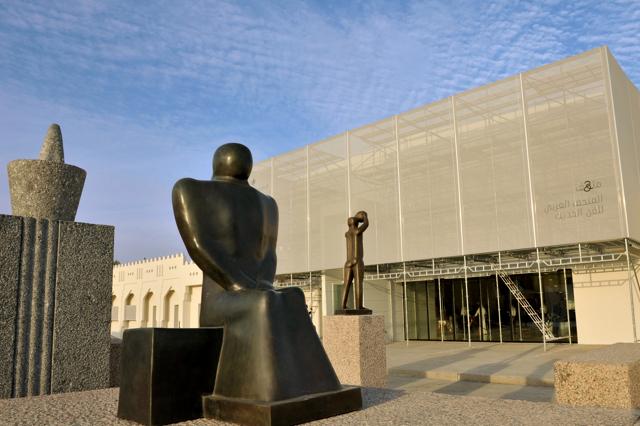
A major Gulf art retrospective has officially opened at Mathaf: Arab Museum of Modern Art in Doha, marking one of the most significant cultural moments in Qatar this year. The exhibition brings together decades of artistic expression from across the Gulf region, highlighting the unique blend of tradition, modernity, and identity that has shaped the region’s art scene.
Celebrating Gulf Creativity at Mathaf
The Gulf art retrospective offers a sweeping view of artistic production from the 20th century to the present day. Organized by Mathaf, Qatar’s leading modern art museum, the exhibition seeks to present not only the evolution of styles but also the complex narratives that have influenced Gulf artists over the decades.
From the early days of post-oil discovery creativity to today’s contemporary experiments in digital and conceptual art, the retrospective showcases how Gulf artists have navigated themes of heritage, identity, migration, and globalization.
The exhibition brings together paintings, sculptures, installations, photography, and multimedia works from both established masters and emerging talents, giving audiences a rare chance to see the diversity of Gulf art under one roof.
Why a Gulf Art Retrospective Matters
The decision to host a Gulf art retrospective at Mathaf is timely. The Gulf region has been experiencing rapid cultural growth, with art fairs, biennales, and public art programs flourishing across Qatar, Saudi Arabia, and the UAE. Yet, despite this growth, many international audiences still see Gulf art as a niche or underexplored field.
By dedicating an entire retrospective to Gulf creativity, Mathaf is shining a light on the region’s contribution to global art history. The exhibition also allows Gulf audiences themselves to reflect on how far the local art scene has come.
According to museum curators, the retrospective was designed not just as an art show but as a cultural narrative—one that tells the story of how Gulf societies have expressed themselves through shifting times of oil wealth, modernization, and globalization.
Highlights of the Exhibition
The Gulf art retrospective is organized chronologically and thematically, giving visitors a clear journey through the region’s cultural evolution.
Some of the key highlights include:
- Pioneering Gulf Artists: Rare early works from the 1950s and 1960s, when Gulf artists first began experimenting with modernist techniques while staying connected to traditional forms like calligraphy and Islamic geometry.
- Identity and Heritage: Artworks that explore Gulf identity, traditions, and local landscapes, often reflecting the tension between rapid urbanization and cultural preservation.
- Contemporary Voices: Installations and digital works by young Gulf artists addressing issues such as technology, globalization, gender roles, and climate change.
- Cross-Cultural Dialogues: Collaborative works that connect Gulf art with broader global movements, showing how local artists have engaged in international conversations about art and society.
Interactive installations also allow visitors to engage with Gulf art in new ways, bridging the gap between the past and the present.
The Role of Mathaf in Promoting Gulf Art
Mathaf, since its opening in 2010, has played a central role in positioning Qatar as a cultural hub for modern and contemporary art. The museum has built one of the most significant collections of Arab art in the world, while also serving as a platform for regional artists to gain international exposure.
By organizing this Gulf art retrospective, Mathaf reinforces its mission to document, preserve, and celebrate the creative voices of the Arab world. The exhibition is not only for local audiences but also for international visitors traveling to Doha, many of whom are curious about the cultural life of the Gulf beyond its economic reputation.
Gulf Art in the Global Context
One of the most striking aspects of the retrospective is how it positions Gulf art within global artistic dialogues. Many works reflect international movements such as abstraction, surrealism, and conceptualism, but always with a uniquely Gulf perspective.
For example, artists may borrow abstract forms from European art while infusing them with Arabic calligraphy. Others adapt Western mediums like photography and digital art to tell stories deeply rooted in Gulf heritage.
This fusion demonstrates that Gulf art is not isolated but actively participating in global exchanges. It also challenges stereotypes by showing that Gulf artists are not only preserving tradition but also innovating and contributing to worldwide conversations.
Visitor Experience and Educational Programs
Alongside the exhibition, Mathaf has launched an extensive educational program to deepen public engagement with Gulf art. Workshops, artist talks, guided tours, and panel discussions are being held throughout the exhibition’s run.
For younger audiences, interactive zones and creative labs encourage hands-on exploration, making Gulf art accessible to the next generation.
The museum is also collaborating with schools, universities, and cultural organizations to ensure that the retrospective reaches diverse audiences, from art students to casual visitors.
A Cultural Milestone for Qatar
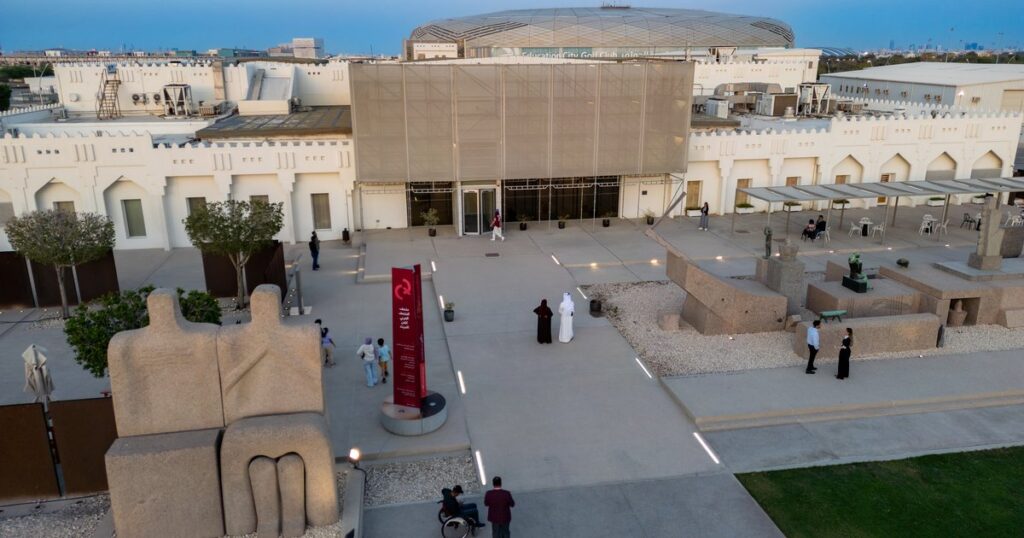
Hosting this retrospective is also a significant cultural milestone for Qatar itself. The country has been investing heavily in arts and culture as part of its national vision, with museums, galleries, and creative hubs playing a vital role in diversifying its identity beyond sports and energy.
By spotlighting Gulf art, Qatar is asserting itself as not just a financial and political player in the region but also a cultural leader. The retrospective serves as both a showcase and a declaration of the Gulf’s creative potential.
The Future of Gulf Art
The Gulf art retrospective at Mathaf is not just about the past but also about the future. By bringing together different generations of artists, the exhibition creates a dialogue about where Gulf art is heading.
- Will the next wave of artists focus more on digital and AI-driven art?
- How will environmental challenges like climate change influence Gulf creativity?
- Can Gulf artists gain more visibility in global art fairs and biennales?
These questions highlight the growing importance of Gulf art in shaping both regional and international cultural landscapes.
Conclusion
The Gulf art retrospective at Mathaf is more than an exhibition—it is a cultural statement. It shows how Gulf artists have navigated the challenges of modernization, preserved their heritage, and contributed to the global art scene with originality and depth.
For visitors, the retrospective is an invitation to see the Gulf through the eyes of its artists—beyond skyscrapers and oil wealth, into a world of creativity, memory, and imagination.
As the doors open at Mathaf, Qatar has once again positioned itself at the center of regional cultural conversations, offering the world a rare chance to witness the artistic heartbeat of the Gulf.
Do Follow Gulf Magazine on Instagram
Also read: Oman Expands Duqm Port: A Big Step for Trade and Growth

