

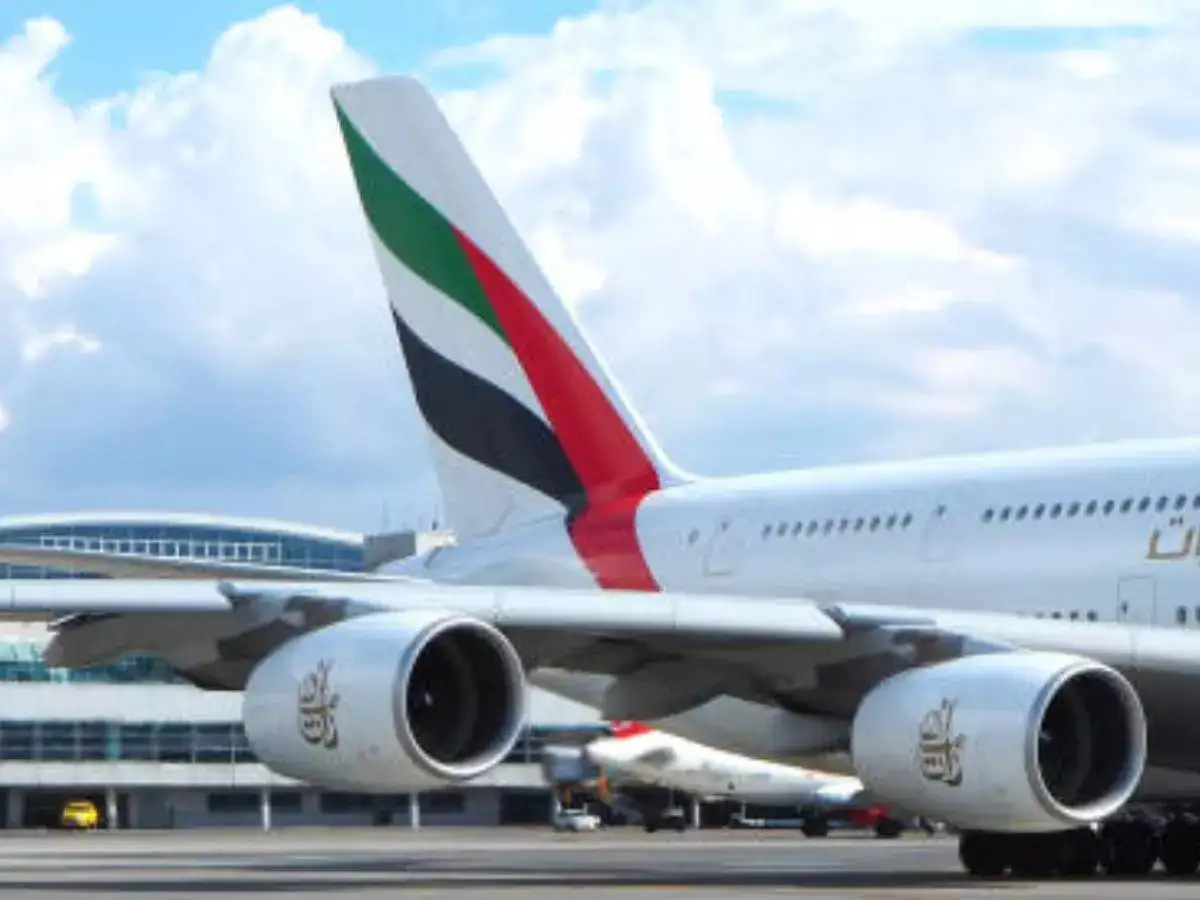
The Gulf’s aviation story is entering a bold new chapter. Bahrain has officially joined Kuwait, Oman, Qatar, Saudi Arabia, and the United Arab Emirates in aligning aviation standards across the region, marking a significant step toward a more seamless, efficient, and globally competitive air transport ecosystem. For passengers, airlines, regulators, and investors alike, this move is about far more than technical rules. It is about smoother journeys, stronger safety frameworks, and a region that speaks with one confident voice in global aviation.
For years, Gulf countries have worked individually to build world-class airports, airlines, and logistics hubs. Now, the focus is shifting from national excellence to regional harmony. Bahrain’s participation strengthens this collective vision and signals that the Gulf is serious about integration, cooperation, and long-term growth.
What Aviation Harmonization Really Means
Aviation harmonization may sound technical, but its impact is deeply practical. At its core, it means aligning regulations, safety requirements, operational procedures, and certification standards so that airlines and aviation professionals can operate more smoothly across borders.
Instead of navigating slightly different rules in each country, airlines benefit from a consistent framework. Pilots, engineers, and air traffic controllers can work within shared standards. Regulators can coordinate more effectively, reducing duplication and improving oversight. Most importantly, passengers experience more reliable, efficient, and predictable travel.
From Patchwork Rules to a Unified Framework
Historically, each Gulf nation developed its aviation regulations based on international guidelines, but with local variations. While this worked, it often created friction for airlines operating across multiple Gulf states. Harmonization reduces those friction points by streamlining compliance and promoting mutual recognition of certifications and approvals.
With Bahrain now fully aligned, the Gulf Cooperation Council region moves closer to functioning as a single, integrated aviation market.
Why Bahrain’s Entry Matters

Bahrain may be one of the smaller Gulf states geographically, but its strategic importance in regional aviation is significant. Home to a modern international airport and a long-standing aviation heritage, Bahrain plays a vital role in regional connectivity.
By joining the harmonization initiative, Bahrain reinforces its position as a forward-looking aviation hub that values collaboration over isolation. This move also reflects Bahrain’s commitment to aligning with global best practices while strengthening regional partnerships.
Strengthening Regional Trust and Coordination
Harmonized standards are built on trust. Bahrain’s inclusion sends a strong message that Gulf states are aligned not just in ambition, but in execution. It allows aviation authorities to share data, expertise, and oversight responsibilities more effectively, creating a stronger safety net across the region.
This trust-based system is especially important as air traffic continues to grow and operations become more complex.
The Countries Leading the Unified Gulf Skies
With Bahrain’s participation, the harmonization effort now includes Kuwait, Oman, Qatar, Saudi Arabia, and the UAE. Together, these nations represent some of the world’s busiest air routes, most advanced airlines, and fastest-growing airports.
Each country brings its own strengths to the table, from large-scale aviation infrastructure to regulatory innovation and technical expertise. Harmonization allows these strengths to reinforce one another rather than operate in silos.
A Collective Vision for the Future
Rather than competing only on national terms, Gulf states are increasingly focused on raising the region’s overall aviation profile. Unified standards help position the Gulf as a reliable, attractive, and efficient aviation corridor connecting East and West.
This collective approach also enhances the region’s influence in global aviation forums, where unified positions carry more weight than fragmented voices.
Benefits for Airlines Operating in the Gulf
For airlines, harmonized aviation standards can be transformative. Reduced regulatory complexity means lower compliance costs, faster approvals, and more operational flexibility.
Airlines flying across multiple Gulf countries can standardize training, maintenance processes, and operational procedures. This consistency improves efficiency and reduces the risk of errors caused by regulatory mismatches.
Greater Efficiency, Lower Costs
When rules align, airlines can plan routes, schedules, and fleet usage more intelligently. Engineering teams can rely on shared maintenance standards, while flight crews benefit from consistent licensing and operational requirements.
Over time, these efficiencies translate into cost savings that can be reinvested into better services, newer aircraft, and expanded routes.
What This Means for Passengers
For travelers, the impact of aviation harmonization may not always be visible, but it is definitely felt. Unified standards contribute to safer flights, fewer delays, and smoother connections across Gulf airports.
Passengers benefit from increased confidence that the same high level of safety and operational excellence applies wherever they fly within the region.
A More Seamless Travel Experience
With better coordination between aviation authorities, issues such as slot management, air traffic flow, and emergency response can be handled more efficiently. This reduces disruptions and improves overall reliability.
As standards align, passengers may also see more codeshare agreements, new routes, and improved connectivity between Gulf cities.
Boosting Safety Across the Region
Safety sits at the heart of aviation harmonization. By sharing best practices, inspection protocols, and safety data, Gulf states are raising the bar collectively.
Aviation authorities can jointly address emerging risks, adopt new technologies, and ensure that safety regulations keep pace with industry innovation.
Shared Responsibility, Stronger Oversight
Harmonization encourages collaboration rather than duplication. Regulators can focus resources where they matter most, while airlines benefit from clear and consistent expectations.
For Bahrain, joining this framework enhances its already strong safety culture and integrates it into a broader regional system that prioritizes continuous improvement.
Supporting Economic Growth and Diversification
Aviation is a powerful economic engine. Harmonized standards make the Gulf more attractive to international airlines, investors, and logistics operators.
By reducing regulatory uncertainty, the region sends a clear signal that it is open for business and prepared for long-term growth.
Aviation as a Catalyst for Opportunity
Improved aviation connectivity supports tourism, trade, and investment. It helps businesses move people and goods efficiently, encourages talent mobility, and strengthens the Gulf’s role as a global crossroads.
Bahrain’s participation ensures it remains competitive and connected as regional aviation continues to expand.
Alignment With Global Aviation Standards

While the focus is regional, the implications are global. Harmonized Gulf standards are designed to align closely with international aviation frameworks, making it easier for airlines from around the world to operate in the region.
This alignment enhances the Gulf’s reputation as a reliable and transparent aviation environment.
Speaking One Language Globally
When Gulf states align internally, they also become more effective participants on the global stage. A shared regulatory approach simplifies cooperation with international partners and supports mutual recognition agreements beyond the region.
For Bahrain, this strengthens its global aviation ties while reinforcing regional solidarity.
Challenges and Realistic Expectations
Harmonization is not without challenges. Aligning regulations requires time, technical coordination, and ongoing dialogue between authorities. Differences in legacy systems, national priorities, and operational models must be carefully managed.
However, the commitment shown by Gulf states suggests a pragmatic and phased approach rather than rushed implementation.
Progress Through Collaboration
The focus is on continuous alignment rather than overnight change. Regular communication, joint training, and shared assessments help smooth the transition and ensure that harmonization delivers real value.
Bahrain’s entry adds momentum and reinforces the sense that this is a long-term strategic shift, not a short-term initiative.
The Bigger Picture for Gulf Aviation
Bahrain joining the harmonized aviation framework is more than a policy update. It represents a shared belief that collaboration is the key to sustainable growth.
As air travel demand rebounds and evolves, regions that operate as cohesive systems will be better positioned to innovate, adapt, and compete globally.
A Confident Step Toward Unified Skies
The Gulf has already proven its ability to build world-class aviation infrastructure. Now, with harmonized standards, it is building something equally powerful: trust, consistency, and shared purpose.
Bahrain’s participation completes a strong regional lineup and underscores a collective ambition to shape the future of aviation, together.
Do Follow Gulf Magazine on Instagram
Read More:- Gulf Leaders Shape a Bold New Regional Order 2025

