

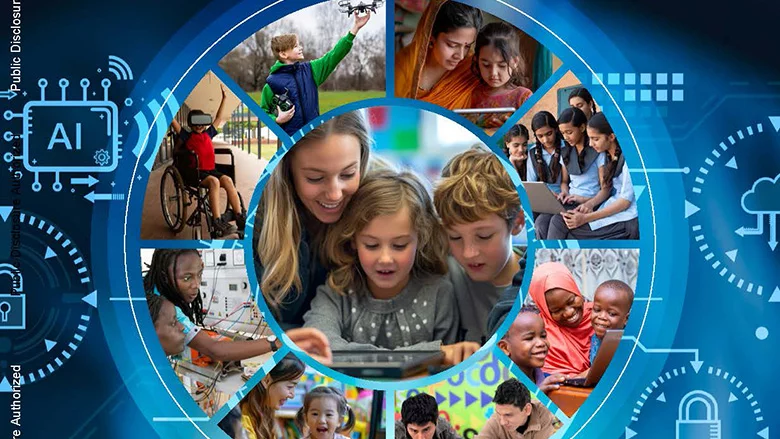
Gulf Curriculum Updates are setting the stage for a major transformation in the education landscape. By introducing artificial intelligence, coding, robotics, and digital literacy into the classroom, Gulf countries are aligning their education systems with the skills required in today’s fast-changing global economy.
This move comes at a time when technology is reshaping industries and job markets worldwide. The Gulf’s forward-thinking approach ensures its youth are not only consumers of technology but also creators, innovators, and leaders in the digital era.
Why Gulf Curriculum Updates Matter Now
The Gulf region has long been recognized for its rapid modernization and investment in knowledge-based economies. However, with the rise of artificial intelligence, data science, and automation, traditional curricula are no longer sufficient to prepare students for future careers.
The Gulf Curriculum Updates aim to:
- Equip students with digital and technological skills.
- Foster innovation, problem-solving, and creativity.
- Bridge the gap between education and labor market demands.
- Support national visions like Saudi Vision 2030, UAE Centennial 2071, and Oman Vision 2040.
By embedding emerging tech topics, these updates create a new generation that is both globally competitive and locally impactful.
Emerging Tech Topics Now Part of the Curriculum
The curriculum reforms span across various Gulf countries, each introducing specialized modules to match their national priorities. Key areas include:
- Artificial Intelligence (AI): Teaching fundamentals of machine learning, data processing, and AI ethics.
- Coding & Programming: From early education to advanced levels, coding is now treated as a language of the future.
- Robotics & Automation: Hands-on projects in robotics labs encourage problem-solving and practical innovation.
- Cybersecurity Awareness: Instilling safe digital practices in students while exposing them to cybersecurity careers.
- Digital Literacy: Building essential skills in using modern tools, cloud platforms, and digital collaboration.
These inclusions ensure students are prepared not only for jobs that exist today but also for roles that are yet to be created.
Country-Specific Highlights
UAE: Future Skills for Future Generations
The UAE has introduced AI and coding as early as primary school. With initiatives like the One Million Arab Coders Program, the nation is nurturing tech talent from a young age. Schools are adopting AI-driven learning platforms, making classrooms more interactive and personalized.
Saudi Arabia: Driving Vision 2030
Saudi Arabia’s Ministry of Education has rolled out digital transformation courses that align with Vision 2030. The focus is on preparing students for careers in AI, fintech, and smart city development. Specialized academies and university programs further strengthen these reforms.
Qatar: Focusing on Innovation
Qatar is integrating STEM and innovation labs across schools, encouraging students to apply coding and robotics in real-world problem-solving. Partnerships with global tech firms are ensuring up-to-date knowledge transfer.
Oman, Bahrain, and Kuwait: Building Strong Foundations
These countries are introducing coding boot camps, smart classrooms, and AI clubs at the high school level. The reforms emphasize project-based learning, allowing students to engage in hands-on experiments.
Benefits of Gulf Curriculum Updates
The Gulf Curriculum Updates are designed with clear outcomes in mind. Key benefits include:
- Workforce Readiness: Students will graduate with skills demanded by employers in high-tech industries.
- Global Competitiveness: Gulf nations can position themselves as leaders in tech-driven education.
- Innovation Ecosystem: Encouraging startups and research from the student level.
- Resilience to Change: Preparing students to adapt to industries reshaped by AI and automation.
Challenges Ahead
While the reforms are ambitious, there are challenges that must be addressed:

- Teacher Training: Educators need continuous training to teach advanced topics effectively.
- Infrastructure Investment: Smart labs, devices, and connectivity are crucial for smooth integration.
- Curriculum Balance: Ensuring that traditional subjects like humanities and social sciences remain relevant.
- Digital Divide: Bridging access gaps between urban and rural schools.
Addressing these challenges will be vital to ensure that the curriculum updates deliver long-term results.
Linking Education to National Visions
Each Gulf nation has a national vision that emphasizes knowledge-based economies. Education reforms are at the heart of these strategies.
- Saudi Vision 2030: Building a diversified economy powered by youth talent.
- UAE Centennial 2071: Positioning the UAE among the world’s best in education and innovation.
- Oman Vision 2040: Creating a balanced economy supported by technology-driven industries.
The Gulf Curriculum Updates serve as a direct bridge between education policy and economic growth, ensuring future generations contribute meaningfully to national progress.
How Parents and Students Can Benefit
For parents, the new curricula mean more opportunities for their children to thrive in future-proof careers. For students, it translates into engaging, hands-on learning experiences that go beyond textbooks.
- Parents can encourage participation in coding clubs and robotics competitions.
- Students can explore internships in tech companies during school breaks.
- Families can embrace online learning platforms that complement school curricula.
By supporting these changes, communities become active partners in building a future-ready education system.
Conclusion: Shaping a Future-Ready Generation
The Gulf Curriculum Updates are more than just educational reforms—they represent a societal shift towards innovation, creativity, and technological advancement. By embedding emerging tech topics into classrooms today, Gulf nations are ensuring that tomorrow’s leaders are equipped to thrive in a digital-first world.
As industries evolve, education must evolve faster. With these curriculum updates, the Gulf is proving that it is not only keeping pace with global change but also setting new benchmarks for the future of education.
Also read: Entrepreneurship Programs for Gulf Youth Driving Change

