

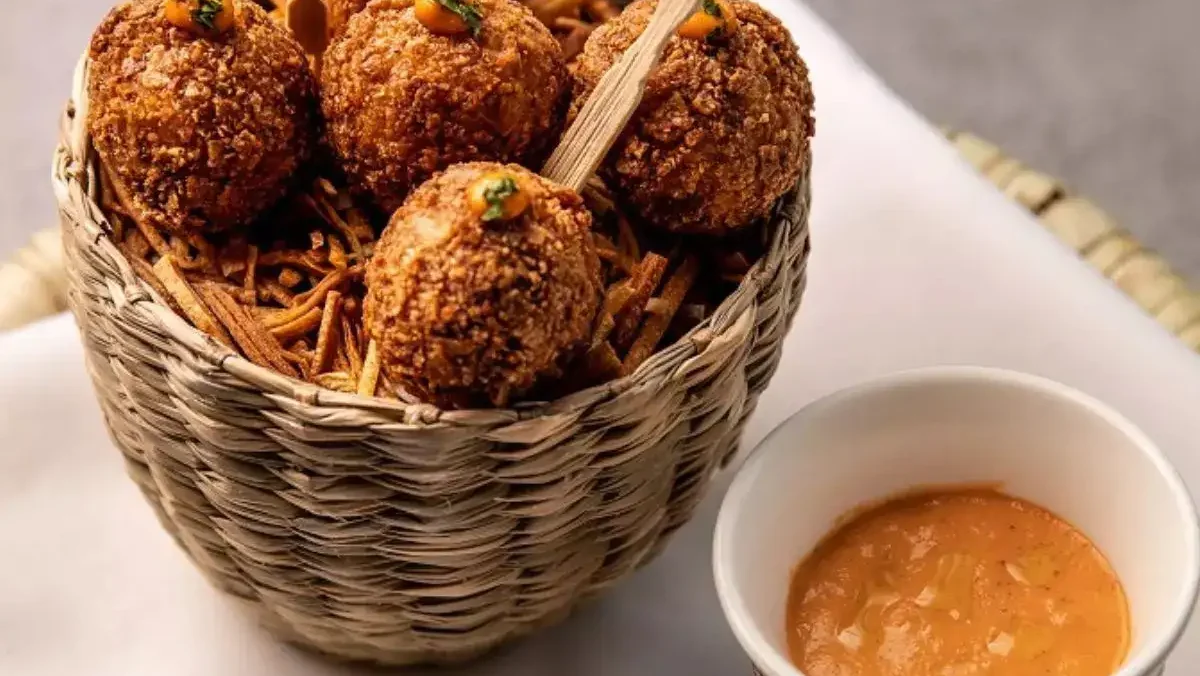
The Gulf’s food scene is undergoing a significant transformation. From the fast paced kitchens of Dubai to the heritage rich tables of Riyadh, a powerful wave of new Gulf dining trends is reshaping how the region eats, cooks and thinks about food. Driven by health awareness, cultural pride and a hunger for high end experiences, the dining table in the Gulf is no longer just about taste it is about lifestyle, identity and innovation.
In this article, we uncover the top 7 Gulf dining trends dominating the culinary landscape in the GCC in 2025. These are not just fads. They reflect deep changes in how people live and eat in countries like the UAE, Saudi Arabia, Qatar, Bahrain, Oman and Kuwait.
Health is the New Flavour in GCC Kitchens
Health first eating is no longer limited to a niche market in the Gulf. It has gone mainstream. In 2025, more restaurants are curating low calorie menus, offering gluten free and vegan options and incorporating local superfoods such as dates, figs, camel milk and saffron.
Even traditional Middle Eastern dishes are being reimagined in a lighter form. Chefs are reducing oil, cutting back on salt and replacing heavy creams with yogurt or labneh.
The demand for nutritional transparency is also growing. Diners now want to know the source of their ingredients and how meals are prepared. Restaurants in cities like Doha and Dubai are placing health labels on menus and offering calorie counts for each dish a shift driven especially by young, health conscious consumers and expats.

Premium Imports Bring Global Taste to GCC Plates
With rising disposable incomes and a demand for global experiences, Gulf dining trends are leaning heavily toward premium food imports. From Japanese Wagyu beef to French cheeses and Italian truffles, the best of the world is arriving on Gulf shores.
In Saudi Arabia and the UAE, luxury dining experiences are on the rise. High end restaurants are sourcing rare ingredients and offering curated tasting menus often paired with imported nonalcoholic fine beverages like sparkling teas and fruit ciders.
This import boom is not just for restaurants. Supermarkets across the GCC are expanding their gourmet sections, offering residents the chance to cook five star meals at home. This trend also aligns with the region’s growing interest in culinary education and home cooking.
Heritage on a Plate A Revival of Gulf Culinary Identity
While imported ingredients are booming, so is a renewed appreciation for local cuisine. Gulf residents and tourists alike are showing more interest in traditional foods — but with a modern twist.
Restaurants are rediscovering dishes like harees, majboos, thareed and balaleet, presenting them with elevated plating and fusion techniques. Chefs are combining heritage recipes with international influences, turning Gulf classics into camera ready dishes.
Governments are supporting this movement. In Oman and Bahrain, food festivals and culinary tourism programs are helping preserve and promote local cooking traditions.
The fusion of past and present is now central to Gulf dining trends. It is about honouring roots while speaking the language of today’s global diner.
Plant Based Popularity Veg Takes the Lead
In a region known for meat heavy dishes, plant based dining is gaining surprising traction. Influenced by international movements and climate awareness, GCC consumers are embracing vegetarian and vegan diets at a much faster rate.
Dubai, Abu Dhabi and Doha have witnessed a 30 percent rise in plant based restaurant openings in the last two years. From lentil kebabs to jackfruit biryani and vegan shawarma, creative vegetarian alternatives are appearing everywhere.
Plant based diets are also making their way into corporate cafeterias, school lunches and even hospital meals. The wellness boom and environmental concerns are fuelling this transition making plant based eating one of the strongest Gulf dining trends of 2025.
Tech Meets Taste Smart Menus and AI Kitchens
Technology is reshaping how the Gulf eats. Restaurants in the GCC are adopting smart menus, AI powered cooking assistants and even robot chefs to serve guests with speed, accuracy and innovation.
In the UAE, digital dining experiences are growing rapidly. Diners can now scan QR codes to personalize their meal options, calculate dietary values and receive dish recommendations based on past orders.
Saudi Arabia’s futuristic smart cities like NEOM are experimenting with AI driven kitchens where food preparation is partially or fully automated. This helps maintain hygiene standards, reduce food waste and cater to a fast paced lifestyle.
Smart technology is now a crucial part of Gulf dining trends, offering convenience without compromising taste.

Farm to Table Movement Grows in Desert Soil
The GCC is defying its arid climate to build a strong local food production system. Hydroponics, vertical farming and aquaponics are gaining ground in the UAE, Saudi Arabia and Qatar.
Restaurants are proudly sourcing ingredients from local organic farms. Fresh lettuce, herbs, tomatoes and even strawberries grown in the desert are appearing in fine dining menus and supermarket shelves.
This farm to table approach is not just Eco friendly it also supports food security goals across the region. The ability to grow more food locally is becoming a symbol of innovation and independence, deeply rooted in today’s Gulf dining trends.
Celebrity Chefs and Culinary Influences Shape Tastes
Culinary personalities are becoming as influential as pop stars in the Gulf. From YouTube chefs to Instagram food critics, social media is playing a big role in shaping what people eat.
TV shows, live cooking events and pop up kitchens led by international chefs are common in Dubai and Riyadh. Local talent is also on the rise, with young Gulf based chefs gaining global attention for their unique take on traditional and modern cuisine.
This celebrity driven food culture adds glamour and aspiration to everyday dining and drives people to try new cuisines, visit new restaurants and experiment with food at home.
Final Thoughts
The Gulf dining trends of 2025 are diverse and dynamic. The food culture in the GCC is being shaped by health, heritage, high end imports and cutting edge tech all coming together to create a unique and rich culinary identity.
This shift is not just about what is on the plate, but what it represents a changing lifestyle, a deeper connection to tradition and a growing appetite for excellence. Whether you are a local foodie or an international visitor, the Gulf’s evolving food scene offers something exciting for every palate.
As the region continues to modernise while preserving its roots, one thing is certain the Gulf is cooking up something big and everyone is invited to the table.
Do follow Gulf Magazine on Instagram
Also Read – Abu Dhabi Judiciary Digital Currency Shift Brings 5 Big Benefits

