

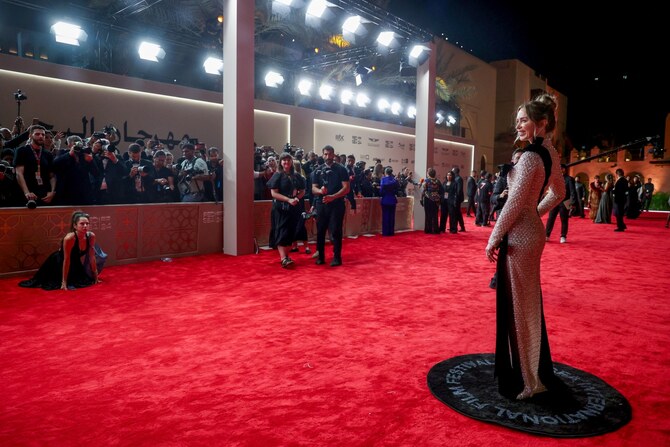
Gulf film production is experiencing an unprecedented rise, turning the region into a vibrant hub for filmmakers, investors, and audiences alike. From the UAE and Saudi Arabia to Qatar and Kuwait, Gulf countries are investing heavily in cinema infrastructure, incentives, and creative talent, redefining the Middle East’s place in the global entertainment landscape.
This growth is not just about making movies—it is about building an industry that reflects the region’s stories, culture, and aspirations while attracting international collaborations. With film festivals, streaming platforms, and production hubs gaining momentum, the Gulf is steadily becoming a powerhouse in the film industry.
Rising Investment in Gulf Film Production
Over the last decade, Gulf countries have recognized the economic and cultural potential of film production. Governments are offering attractive incentives, such as tax breaks, co-financing, and streamlined permit processes, to attract both regional and international productions.
- UAE: Dubai Studio City and twofour54 in Abu Dhabi are now key centers for filming and post-production services.
- Saudi Arabia: Since lifting the cinema ban in 2018, the country has seen an influx of productions and film festivals.
- Qatar: Doha Film Institute provides funding and mentorship for emerging filmmakers.
These investments are encouraging local talent and drawing global attention. International studios are increasingly considering the Gulf for high-budget projects, not only because of the picturesque locations but also due to state-of-the-art production facilities.
Boosting Local Talent and Storytelling
Gulf film production is fostering local talent, encouraging filmmakers to tell stories rooted in the region’s culture, history, and contemporary issues. Film schools, workshops, and mentorship programs are helping a new generation of directors, writers, and actors gain the skills needed to compete internationally.
For example, Saudi filmmakers are gaining recognition at festivals like Cannes and Venice, while UAE-based projects are being picked up by streaming platforms. These developments are essential for cultivating a sustainable ecosystem, where local talent can thrive alongside international collaborators.
International Collaborations Strengthen Gulf Film Production
The Gulf is rapidly becoming a destination for global filmmakers. Co-productions between Gulf and foreign studios are rising, enabling knowledge transfer, bigger budgets, and broader distribution.
- Hollywood productions are increasingly scouting the UAE’s deserts, skyscrapers, and historic sites as locations.
- European and Asian filmmakers are collaborating with Gulf studios for regional releases.
These partnerships also help local crews gain valuable experience, ensuring that the Gulf’s film industry continues to grow in quality and professionalism.

Film Festivals and Global Recognition
Film festivals play a crucial role in promoting Gulf film production. Events like the Dubai International Film Festival (DIFF), Riyadh Season’s cinematic showcases, and Doha Tribeca Film Festival have put the region on the international cinema map.
- Festivals attract international critics, producers, and talent scouts.
- They serve as platforms for Gulf filmmakers to premiere their projects and secure distribution deals.
- Audiences are exposed to diverse narratives, boosting cultural exchange and awareness.
The success of Gulf film festivals has encouraged more countries to invest in cinematic events, strengthening the industry ecosystem.
Streaming Platforms Fuel Gulf Film Production Growth
The rise of global streaming platforms like Netflix, Amazon Prime, and Shahid has been a game-changer for Gulf film production. These platforms are investing in original Gulf content, reaching audiences locally and internationally.
- Original series and films produced in the Gulf are gaining traction on streaming platforms.
- Partnerships with regional studios create new revenue streams for filmmakers.
- Local stories can now compete on a global stage, reaching viewers in millions of homes worldwide.
Streaming has also encouraged shorter production cycles, experimental storytelling, and greater creative freedom, which is helping Gulf filmmakers innovate and expand their artistic boundaries.
Infrastructure and Technology Investments
State-of-the-art studios, sound stages, and post-production facilities are key drivers of Gulf film production growth. Cities like Dubai, Abu Dhabi, and Riyadh have invested heavily in building modern infrastructure to support both local and international projects.
- Visual effects (VFX) and animation studios are flourishing.
- Advanced post-production and editing suites are attracting regional and global clients.
- Production support services, from lighting and camera equipment rentals to costume design, are becoming increasingly accessible.
These investments not only make production more efficient but also raise the quality of Gulf-made content to international standards.
Economic Impact of Gulf Film Production
Gulf film production is not just a cultural endeavor—it is an economic driver. The industry creates jobs across multiple sectors: cinematography, acting, sound, editing, marketing, tourism, and hospitality.

- Local economies benefit from on-location shoots, festivals, and international collaborations.
- Film tourism is becoming increasingly popular, as fans travel to Gulf countries to explore filming locations.
- Increased demand for creative professionals boosts education and skill development in the arts.
This economic impact underscores the strategic importance of film production as part of broader economic diversification efforts in the Gulf.
Challenges Facing Gulf Film Production
Despite rapid growth, Gulf film production still faces challenges.
- Cultural sensitivities: Filmmakers must navigate local norms and censorship rules.
- Limited regional content: Global competition remains high, and regional stories must compete with established film industries.
- Skill gaps: While talent is growing, there is a need for more experienced professionals in areas like scriptwriting, cinematography, and post-production.
Addressing these challenges through training programs, international collaborations, and policy support will ensure sustainable growth for the industry.
The Future of Gulf Film Production
The future of Gulf film production looks promising. With increasing investment, growing talent, and international recognition, the region is poised to become a major player in global cinema.
- Governments are planning further incentives to attract more productions.
- Film schools and workshops are expanding to nurture the next generation of filmmakers.
- Streaming platforms are actively seeking Gulf stories, ensuring a global audience.
As Gulf film production continues to grow, it will not only boost the economy but also shape cultural narratives and offer audiences worldwide a unique glimpse into the region’s vibrant life, history, and stories.
Conclusion
Gulf film production has moved from a nascent industry to a rapidly growing hub for cinema. With strategic investments, nurturing of local talent, international collaborations, and global recognition, the Gulf is carving out a distinct identity in the world of film. The rise of festivals, streaming platforms, and infrastructure development further reinforces the region’s cinematic potential.
For filmmakers, audiences, and investors alike, the Gulf now represents not just a location for shooting but a thriving ecosystem where creativity, culture, and commerce intersect. The growth of Gulf film production promises a new era of storytelling that resonates both locally and globally.
Do Follow Gulf Magazine on Instagram
Also read: Qatar Opens Groundbreaking Desert Resilience Hub Near Al Khor

