

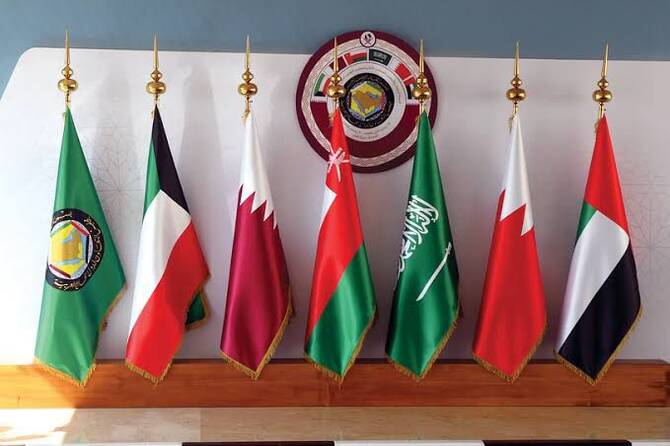
The Gulf Guarantee project is emerging as a major step toward transforming trade within the Gulf region. Business leaders and chambers of commerce across the six member states of the Gulf Cooperation Council (GCC) are working together on this ambitious initiative, which aims to reduce financial risks, improve payment security, and unlock new opportunities for companies trading across borders.
For decades, the GCC — comprising Saudi Arabia, the United Arab Emirates, Kuwait, Qatar, Bahrain, and Oman — has spoken about economic integration. While progress has been made in areas such as customs coordination and infrastructure, intra-regional trade still lags behind its full potential. The Gulf Guarantee project could change that by addressing one of the biggest obstacles businesses face: trust and financial risk in cross-border transactions.
If implemented effectively, the plan could reshape supply chains, empower small and medium-sized enterprises (SMEs), and deepen economic ties across the Gulf.
Why the Gulf Guarantee project is needed
Despite geographic proximity, shared culture, and similar regulatory environments, trade within the GCC remains modest compared with other economic blocs. Several barriers have slowed progress:
- Payment risks between buyers and sellers
- Limited access to trade finance, especially for SMEs
- Regulatory differences between countries
- Concerns over contract enforcement
- Lack of reliable guarantee mechanisms
Businesses often prefer to trade with partners outside the region where established financial instruments, export credit agencies, and insurance frameworks provide stronger protection.
The Gulf Guarantee project aims to fill this gap.
By providing a regional guarantee mechanism, the initiative would protect sellers against non-payment and reduce risks for financial institutions issuing trade finance. This could dramatically increase confidence among companies looking to expand across GCC markets.
How the Gulf Guarantee project would work
Although final details are still under discussion, early proposals suggest the project would function as a region-wide guarantee scheme backed by chambers of commerce and potentially supported by governments or regional financial institutions.
Key features are expected to include:
1. Payment protection
The scheme would guarantee payments in cross-border trade deals. If a buyer fails to pay, the guarantee body would compensate the seller, reducing financial exposure.
2. Support for trade finance
Banks often hesitate to finance cross-border deals due to risk. With guarantees in place, lenders would be more willing to provide:
- Letters of credit
- Working capital loans
- Export financing
- Supply chain financing
3. Focus on SMEs
Large corporations usually have access to international banking networks. Smaller firms do not. The Gulf Guarantee project is expected to prioritize SMEs, helping them enter new markets without fear of losing capital.
4. Faster transactions
Guarantees can simplify documentation and reduce the need for complex collateral arrangements, speeding up business deals.
5. Regional integration
By standardizing risk management across countries, the project would help unify trade practices within the GCC.
The role of GCC chambers of commerce

The initiative is being spearheaded by business communities rather than solely by governments. The Federation of GCC Chambers has taken a leading role in pushing the idea forward.
Chambers of commerce represent thousands of private companies and understand their real-world challenges. Their involvement ensures the project addresses practical needs rather than theoretical policy goals.
Business leaders say private-sector leadership is crucial because:
- Companies drive trade, not governments
- Chambers can coordinate directly with firms
- Feedback loops are faster
- Implementation can be more flexible
At the same time, government backing will likely be necessary to provide legal recognition, funding support, and regulatory alignment.
Economic benefits expected from the Gulf Guarantee project
If successful, the initiative could deliver wide-ranging benefits across the region.
Boosting intra-regional trade volumes
Trade within the GCC currently accounts for a relatively small share of total commerce compared with trade with Europe, Asia, and North America. Reducing risks could encourage companies to source goods and services locally instead of importing from distant markets.
Strengthening regional supply chains
The COVID-19 pandemic exposed vulnerabilities in global supply chains. Many countries are now prioritizing regional production networks. The Gulf Guarantee project could accelerate this shift within the GCC.
Industries that may benefit include:
- Food and agriculture
- Construction materials
- Petrochemicals
- Manufacturing
- Logistics services
- Technology solutions
Supporting economic diversification
GCC countries are working to reduce dependence on oil revenues. Expanding regional trade supports non-oil sectors such as manufacturing, tourism, and services.
Empowering SMEs
Small businesses are major job creators but often struggle to access export opportunities. With risk protection, more SMEs could expand beyond domestic markets.
Attracting investment
A secure and integrated trade environment makes the region more attractive to foreign investors seeking stable supply chains and market access.
Impact on financial institutions
Banks and financial companies stand to gain significantly from the Gulf Guarantee project. Reduced risk means lenders can expand their trade finance portfolios with greater confidence.
Potential outcomes include:
- Increased issuance of letters of credit
- Growth in cross-border lending
- Development of new financial products
- Stronger regional banking integration
Financial institutions may also collaborate with the guarantee body to design tailored solutions for specific industries.
Challenges the project must overcome
While the vision is promising, several hurdles must be addressed before full implementation.
Regulatory coordination
Each GCC country has its own legal framework governing commerce, banking, and dispute resolution. Aligning these systems will be complex.
Funding and sustainability
Guarantee schemes require significant capital reserves to cover potential defaults. Determining funding sources — whether public, private, or hybrid — is critical.
Risk assessment mechanisms
The project must establish robust systems to evaluate creditworthiness and prevent misuse.
Political and economic differences
Although GCC countries share many interests, national priorities sometimes diverge. Maintaining long-term cooperation will be essential.
Awareness and adoption
Businesses must understand how the scheme works and trust it enough to use it.
Lessons from global models
Other regions have successfully used guarantee systems to promote trade. Export credit agencies in Europe, Asia, and North America provide insurance and guarantees that support billions of dollars in transactions each year.
The GCC can draw lessons from:
- Multilateral development bank guarantee programs
- Regional trade insurance schemes
- National export credit agencies
- Public-private partnership models
Adapting best practices while tailoring them to Gulf conditions will increase the chances of success.
Alignment with long-term GCC integration goals
The Gulf Guarantee project fits into a broader vision of economic unity within the GCC. Over the years, member states have pursued initiatives such as:
- A customs union
- A common market
- Infrastructure connectivity
- Digital transformation
- Energy cooperation
Strengthening intra-regional trade is a natural next step.
Economic experts say deeper integration could make the GCC one of the world’s most influential economic blocs, given its strategic location, energy resources, and financial strength.
Opportunities for specific sectors
Different industries may experience unique advantages from the initiative.
Manufacturing
Companies can source components from neighboring countries more easily, reducing costs and delivery times.
Agriculture and food security
Regional trade in food products can enhance resilience against global supply disruptions.
Construction and infrastructure
Large development projects across the Gulf require materials and services that can be sourced regionally.
Technology and services
Digital companies can expand across borders without heavy physical logistics barriers.
Tourism and hospitality
Integrated supply chains can support mega tourism projects and cross-border travel initiatives.
What businesses should do now
Companies interested in expanding within the GCC should start preparing even before the Gulf Guarantee project becomes fully operational.
Recommended steps include:
- Identifying potential regional partners
- Studying market regulations in neighboring countries
- Strengthening compliance systems
- Building relationships with banks experienced in trade finance
- Monitoring developments from chambers of commerce
Early movers could gain a competitive advantage once the scheme launches.
Potential timeline and next steps
While no official launch date has been announced, discussions among chambers and stakeholders are ongoing. Pilot programs or phased implementation may be introduced to test the system before full rollout.
Key milestones to watch include:
- Formal approval by GCC business bodies
- Government endorsements
- Establishment of the guarantee institution
- Development of legal frameworks
- Launch of pilot transactions
Why the Gulf Guarantee project matters globally
The initiative is not only important for the region but also for international trade.
A more integrated GCC could:
- Serve as a major hub linking Asia, Europe, and Africa
- Enhance energy supply chain stability
- Offer new markets for global companies
- Strengthen South-South trade cooperation
Given the Gulf’s strategic geographic position, improved internal connectivity can have ripple effects far beyond the region.
A step toward a more unified economic future
The Gulf Guarantee project represents more than a financial tool — it is a symbol of the GCC’s ambition to move from cooperation to true economic integration.
By reducing risks, empowering businesses, and encouraging regional partnerships, the initiative could unlock billions of dollars in untapped trade potential.
However, success will depend on careful design, strong governance, and sustained political and private-sector commitment.
If these elements come together, the Gulf Guarantee project could mark a turning point — transforming the GCC from a collection of neighboring markets into a deeply interconnected economic powerhouse.
Conclusion
The Gulf Guarantee project has the potential to reshape commerce across the Gulf by addressing one of the most persistent barriers to intra-regional trade: financial risk. With backing from chambers of commerce and possible government support, the initiative could unlock new opportunities for businesses of all sizes.
From boosting SME participation to strengthening supply chains and attracting investment, the benefits could be far-reaching. Challenges remain, but the momentum behind the project suggests a strong desire within the region to deepen economic ties.
As the GCC continues its journey toward diversification and integration, the Gulf Guarantee project may prove to be one of the most impactful steps yet — turning shared ambition into tangible economic growth for the entire region.
Do follow Gulf Magazine on Instagram.
Also Read – Qatar Education Market Set to Reach $13 Billion by 2026

