

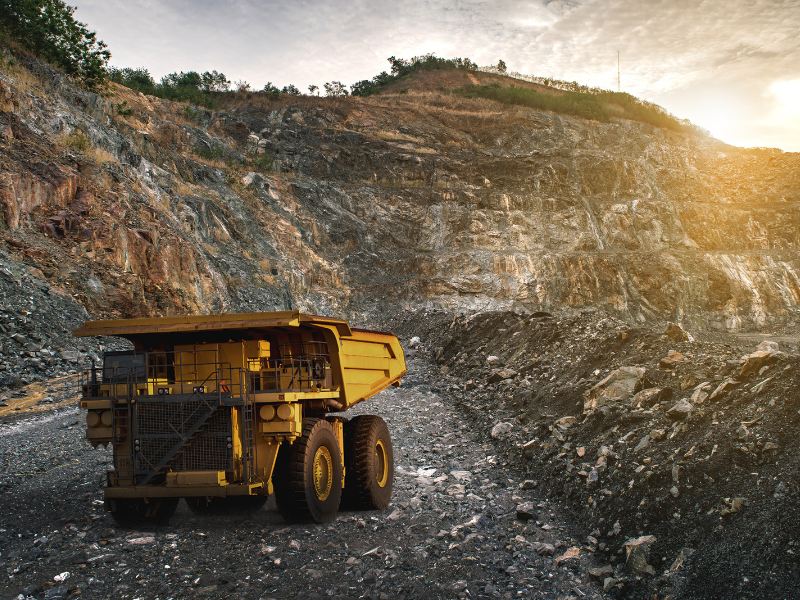
Gulf investment in Africa’s critical minerals is rapidly changing the continent’s mining landscape. For decades, African gold fields attracted global attention, but today the spotlight is shifting toward copper, lithium, cobalt, and other minerals that power electric vehicles, renewable energy, and digital technologies. Investors from the Gulf are moving fast, reshaping markets, forging partnerships, and influencing the future of global supply chains.
This powerful shift is not just about money. It reflects deeper changes in the global economy. As the world races toward clean energy and high-tech manufacturing, critical minerals have become strategic assets. African nations hold vast reserves of these resources, and Gulf countries—seeking to diversify their economies beyond oil—are stepping in as major players.
The result is a new chapter in Africa’s resource story, one where gold is no longer the only prize.
From Gold Rush to Green Rush
For many years, gold symbolized Africa’s mineral wealth. Countries such as Ghana, South Africa, Mali, and Tanzania built large parts of their mining sectors around gold exports. International mining companies dominated the sector, and gold revenues became an important source of foreign exchange.
But global demand is changing. The rise of electric vehicles, solar panels, wind turbines, and battery storage systems has created a “green rush” for minerals such as:
- Copper
- Lithium
- Cobalt
- Nickel
- Graphite
- Rare earth elements
Copper is essential for electrical wiring and renewable energy systems. Lithium and cobalt are key ingredients in batteries. Rare earth elements are used in wind turbines and advanced electronics.
Africa is rich in these minerals. The Democratic Republic of Congo holds more than half of the world’s cobalt reserves. Zambia is a major copper producer. Zimbabwe has large lithium deposits. Namibia is emerging as a supplier of rare earth elements.
As the world’s appetite for these resources grows, so does interest from new investors. Among the most active are countries from the Gulf.
Why Gulf Investment in Africa’s Critical Minerals Is Rising

Gulf investment in Africa’s critical minerals is not happening by accident. It is driven by clear economic and strategic goals.
First, Gulf countries such as the United Arab Emirates and Saudi Arabia are working to diversify their economies. For decades, oil and gas were their main sources of income. However, global energy transitions and climate policies are pushing these countries to prepare for a future where oil demand may decline.
Investing in critical minerals gives Gulf nations a new source of long-term value. These minerals are essential for the clean energy technologies that will dominate the future.
Second, Gulf sovereign wealth funds have large financial resources. They are looking for stable and profitable investments around the world. Africa’s mining sector offers both high returns and strategic importance.
Third, Gulf countries are building industrial strategies at home. For example:
- Developing battery manufacturing plants
- Expanding electric vehicle industries
- Investing in renewable energy projects
- Creating downstream processing facilities
To support these ambitions, they need secure access to raw materials. Investing directly in African mines helps ensure reliable supply chains.
This combination of diversification, financial strength, and industrial ambition explains why Gulf capital is flowing into Africa’s mineral sector.
Major Deals and Strategic Partnerships
Over the past few years, several high-profile deals have signaled a turning point.
Gulf-based companies and funds have acquired stakes in copper mines in Zambia and the Democratic Republic of Congo. They have signed agreements with governments in Namibia and Zimbabwe to explore lithium and rare earth projects. In some cases, Gulf investors are partnering with Western or Asian mining firms to co-finance large operations.
These partnerships often include:
- Equity investments in mining projects
- Long-term supply agreements
- Infrastructure financing
- Support for processing facilities
Unlike traditional mining investments focused only on extraction, many Gulf-backed projects show interest in value addition. This means building smelters, refineries, and processing plants within Africa rather than exporting raw ore.
For African governments, this approach is attractive. It promises more jobs, technology transfer, and industrial development.
The Strategic Importance of Copper
Among all critical minerals, copper has become a central focus.
Copper is sometimes called the “metal of electrification.” Electric vehicles use more copper than traditional cars. Renewable energy systems require extensive copper wiring. Power grids need upgrades to handle renewable energy, and these upgrades rely heavily on copper.
Africa holds significant copper reserves, particularly in Zambia and the Democratic Republic of Congo. These two countries form the heart of the Central African Copperbelt.
Gulf investment in Africa’s critical minerals has increasingly targeted this region. Investors see copper as a stable and long-term bet. As global demand rises, supply constraints may push prices higher, creating strong returns.
Moreover, copper projects often require large upfront capital. Gulf sovereign wealth funds are well-positioned to provide the necessary financing, giving them influence in key mining operations.
Lithium and the Battery Revolution
Lithium is another area of growing interest. With electric vehicle production expanding worldwide, lithium demand has surged.
Zimbabwe, for example, has become one of Africa’s top lithium producers. Namibia and Mali are also exploring new lithium projects.
Gulf investors are paying close attention. By securing lithium supplies, they position themselves within the global battery value chain. This fits with broader ambitions to build battery and electric vehicle industries in the Middle East.
The shift from gold to lithium represents a major transformation. Gold is often seen as a store of value. Lithium, on the other hand, is a driver of future technology. The focus on lithium signals a forward-looking strategy.
Opportunities for African Economies
Gulf investment in Africa’s critical minerals brings significant opportunities.
- Increased capital inflows
Many African mining projects struggle with funding gaps. Gulf investors can provide the capital needed to develop large-scale operations. - Infrastructure development
Mining projects often require roads, railways, ports, and power plants. These investments can benefit local communities and other industries. - Job creation
If investments include processing and refining facilities, more jobs can be created within African countries rather than abroad. - Economic diversification
By moving beyond raw exports and building downstream industries, African nations can diversify their economies. - Stronger bargaining power
With more investors competing for access, African governments may negotiate better terms and ensure greater local benefits.
Risks and Challenges
Despite the opportunities, there are also risks.
Resource dependence remains a concern. Many African economies already rely heavily on commodity exports. If not managed carefully, increased mineral production could deepen this dependence.
Environmental and social issues are another challenge. Mining can cause land degradation, water pollution, and community displacement. As demand for critical minerals rises, pressure on ecosystems may increase.
Transparency is also critical. Large investment deals must be clear and accountable. Without strong governance, resource wealth may not translate into broad development.
For Gulf investors, political risk and regulatory uncertainty can pose challenges. Changes in mining laws, taxation, or local content requirements can affect project profitability.
Balancing these risks will require cooperation, strong institutions, and long-term planning.
A Shift in Global Power Dynamics
Gulf investment in Africa’s critical minerals is also reshaping global geopolitics.
Traditionally, Western and Chinese companies dominated African mining. China, in particular, has built strong positions in cobalt and copper supply chains.
The entry of Gulf capital adds a new dimension. It creates competition and reduces dependence on any single external partner. For African countries, this diversification of investors can strengthen strategic autonomy.
For the global market, it means supply chains are becoming more complex and interconnected. Gulf countries are positioning themselves as key hubs linking African resources with global manufacturing centers.
The Future of Gold in a Changing Market
While attention is shifting toward critical minerals, gold is not disappearing.
Gold remains important for many African economies. It provides stable export revenues and acts as a hedge during economic uncertainty.
However, gold is no longer the sole focus. The rise of copper, lithium, and other minerals shows that Africa’s resource story is evolving.
In many cases, mining companies and governments are managing both sectors. Gold projects continue, but new exploration budgets increasingly target minerals linked to the energy transition.
This balanced approach may help smooth the transition from traditional mining to a more diversified mineral economy.
Building Sustainable Value Chains
The real test of Gulf investment in Africa’s critical minerals will be whether it supports sustainable development.
Key questions include:
- Will investments include local processing and manufacturing?
- Will environmental standards be enforced?
- Will local communities benefit from jobs and training?
- Will revenues be managed transparently?
Some Gulf-backed projects are already exploring renewable energy use at mining sites. This reduces carbon footprints and aligns with global climate goals.
There is also growing interest in regional cooperation. African countries may work together to build cross-border value chains, supported by Gulf financing.
If managed well, this could transform Africa from a raw material supplier into a stronger player in global industrial networks.
Conclusion: A Defining Moment for Africa’s Mineral Future
Gulf investment in Africa’s critical minerals marks a powerful and defining shift. The move from gold-centered mining to a broader focus on copper, lithium, and other strategic minerals reflects global changes in energy, technology, and geopolitics.
For Gulf countries, these investments are part of a bold diversification strategy. For Africa, they offer both opportunity and responsibility.
The outcome will depend on policy choices, governance, and long-term vision. If investments promote local value addition, environmental protection, and fair revenue sharing, they could support sustainable growth across the continent.
As the world transitions toward clean energy and digital technologies, Africa’s mineral wealth will play a central role. With Gulf capital now deeply involved, the next chapter of Africa’s resource story is already unfolding.
From gold to copper and beyond, the continent stands at the heart of a new global minerals race—one that could reshape economies for decades to come.
Do follow her on Instagram.
Also Read – Airports in Doha and Riyadh Ranked World’s Best in 2025

