

The Gulf states are on the cusp of a monumental transformation in their energy landscape. With ambitious plans and substantial investments, these nations are pivoting toward renewable energy to meet their 2030 goals. This shift is not just a necessity for environmental sustainability; it reflects a strategic regional strategy that promises economic diversification and energy security.
As the world grapples with climate change and the depletion of fossil fuels, the Gulf states are stepping up to the challenge. This article explores how these countries are scaling their renewable energy investments and what it means for the region and beyond.
Understanding the Regional Strategy for Renewable Energy
The Gulf Cooperation Council (GCC) countries, including Saudi Arabia, the United Arab Emirates, Qatar, Kuwait, Oman, and Bahrain, are notorious for their vast oil reserves. However, recognizing the vulnerabilities of an oil-dependent economy, these nations are rapidly adopting a regional strategy focused on renewable energy.
This strategy revolves around several key components:
- Diversification of Energy Sources: Moving away from fossil fuels to embrace solar, wind, and other renewable sources.
- Economic Resilience: Creating a more resilient economy that can withstand global energy market fluctuations.
- Technological Innovation: Investing in cutting-edge technologies to enhance energy efficiency and reduce carbon footprints.
The Role of Solar Power in the Gulf States’ Energy Mix
One of the most promising aspects of the Gulf states’ renewable energy investment is the emphasis on solar power. With abundant sunlight throughout the year, these countries have a distinct advantage when it comes to harnessing solar energy.
Saudi Arabia’s Vision 2030 emphasizes significant solar projects, aiming to generate 58.7 GW of renewable energy by the end of the decade. Similarly, the UAE is home to the world’s largest single-site solar park, the Mohammed bin Rashid Al Maktoum Solar Park, further underscoring the region’s commitment to solar energy.
The adoption of solar power not only helps in reducing greenhouse gas emissions but also aids in creating jobs and fostering local industries, thereby enhancing the overall economy.
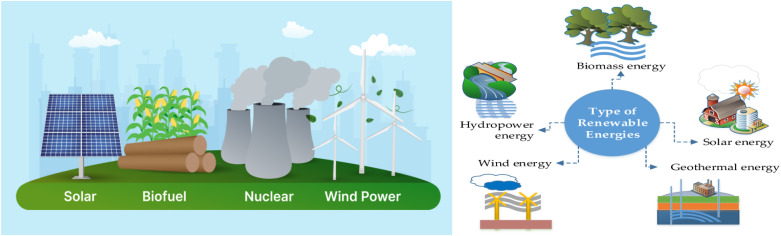
Wind Energy: A Complementary Resource
While solar power takes center stage, wind energy is also gaining traction in the Gulf states. Countries like Oman and Bahrain are beginning to explore offshore wind farms as a viable resource.
Investments in wind energy align with the GCC’s regional strategy to create a diversified energy portfolio. By harnessing the potential of wind alongside solar, these nations are not only securing energy reliability but are also positioning themselves as leaders in renewable technologies.
Financial Investments Driving Renewable Projects
The financial commitment from the Gulf states toward renewable energy projects is staggering. Governments and private sectors are pouring billions into this sector, with projections indicating that investments could reach upwards of $200 billion by 2030.
These funds are allocated to various initiatives, including:
- Development of large-scale solar and wind farms.
- Research and development in energy storage technologies.
- Infrastructure improvements to support renewable energy integration into existing grids.
This financial influx is essential for the successful transition to renewable energy and creates opportunities for innovation and economic growth.

Challenges and Opportunities Ahead
While the Gulf states are making remarkable strides, challenges remain. The transition from fossil fuels to renewables requires overcoming significant hurdles, including regulatory frameworks, technological barriers, and public acceptance.
However, these challenges are also opportunities for growth. By investing in educational programs and public awareness campaigns, the region can foster a culture of sustainability. Engaging the population in renewable energy initiatives ensures a smooth transition toward a greener future.
The Future of Renewable Energy in the Gulf
Looking ahead, the Gulf states’ renewable energy investment is poised to redefine the region’s energy landscape. As these nations work collectively toward their 2030 goals, their commitment to sustainability will not only benefit the environment but also enhance energy security and economic stability.
In this era of transformation, the Gulf states are setting a global example. Their dedication to renewable energy investment showcases a proactive approach to climate change and economic diversification, paving the way for a sustainable future.
Conclusion: A Bright Future for the Gulf States
The Gulf states’ renewable energy investment scales up toward 2030 goals is more than just a strategic regional strategy; it is a testament to the commitment of these nations to innovation, sustainability, and economic resilience. As they continue to invest in renewable technologies, the region is not only preparing for a greener future but also positioning itself as a leader in the global energy transition.
The journey may be challenging, but the collective efforts of the Gulf states herald a bright future where renewable energy plays a pivotal role in shaping a sustainable world.
Do follow Gulf Magazine on Instagram.
Also Read – Gulf Fiscal Reforms Drive Stronger Economic Growth

