

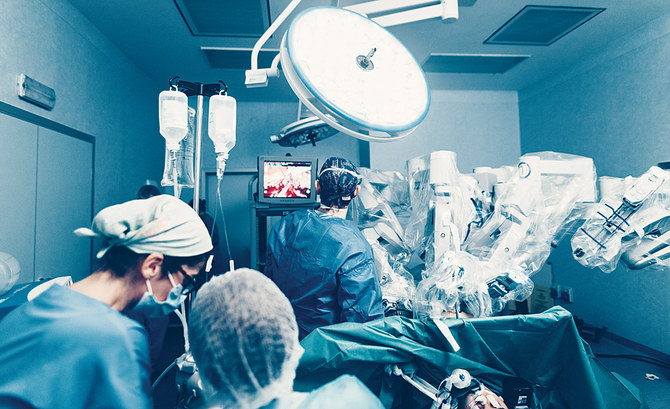
Gulf robotic surgery is rapidly changing the way healthcare is delivered across the Middle East. Hospitals in countries like the UAE, Saudi Arabia, and Qatar are adopting advanced robotic systems to improve surgical precision, reduce recovery times, and enhance patient safety. This technology marks a significant shift from traditional procedures, offering new hope for patients and medical professionals alike.
The Rise of Robotic Surgery in the Gulf
Over the past decade, Gulf hospitals have increasingly invested in robotic surgery systems. These systems, such as the widely recognized Da Vinci Surgical System, allow surgeons to perform complex operations using robotic arms controlled with high precision. The demand for minimally invasive procedures has grown due to benefits like smaller incisions, reduced pain, and faster recovery, making robotic surgery a popular choice among patients.
Countries in the Gulf are not just adopting robotic surgery—they are also investing in training programs to ensure surgeons are well-equipped to operate these systems safely. Medical universities and hospitals now offer specialized courses, workshops, and certifications in robotic surgery, which has accelerated the adoption of this technology.
How Gulf Robotic Surgery Benefits Patients
The advantages of Gulf robotic surgery are significant. First, precision is unmatched. Robotic systems allow surgeons to make highly accurate movements, reducing the risk of complications during delicate procedures. This is particularly important for surgeries involving the heart, prostate, or delicate abdominal organs.
Second, patients experience shorter recovery times. Traditional surgeries often require long hospital stays and extended periods of rehabilitation. With robotic surgery, minimally invasive techniques reduce tissue damage, allowing patients to return to normal life more quickly.
Third, pain and scarring are significantly reduced. Smaller incisions mean less trauma to the body, which also decreases the chances of infection and postoperative complications. Patients can often leave the hospital the same day or within a few days, a dramatic improvement over traditional procedures.
Key Areas of Robotic Surgery Adoption
Gulf robotic surgery is being applied across various medical specialties:
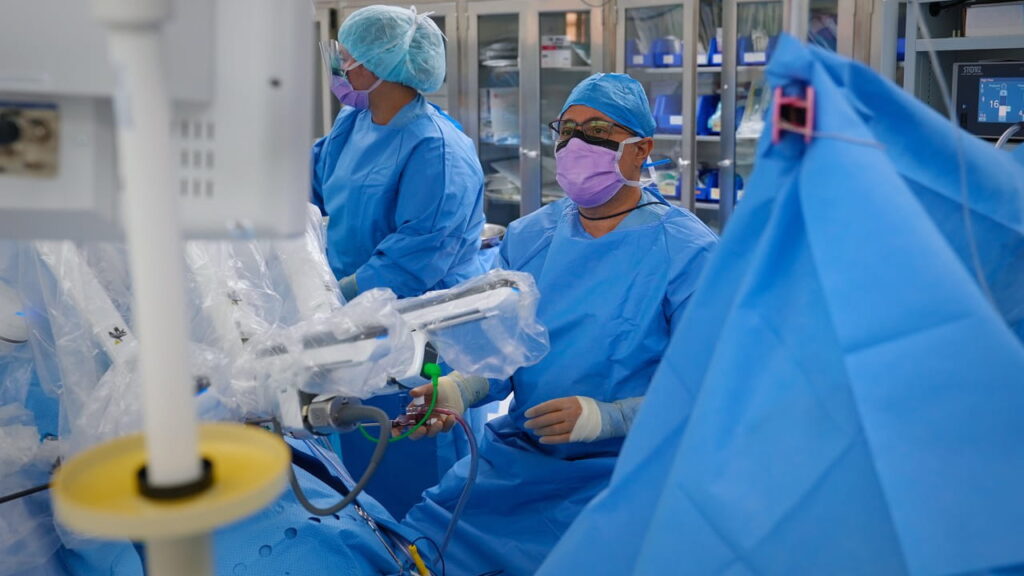
- Cardiothoracic Surgery: Surgeons are performing complex heart procedures with higher precision and lower risk.
- Urology: Robotic systems are widely used for prostate and kidney surgeries.
- Gynecology: Procedures like hysterectomies and myomectomies are now safer and faster.
- Orthopedics: Robotic-assisted joint replacement surgeries improve accuracy and patient outcomes.
- General Surgery: Hernia repairs, gallbladder removals, and other procedures are now minimally invasive.
The expansion into multiple specialties demonstrates the flexibility and potential of robotic surgery, making it a transformative technology for healthcare systems in the Gulf.
Leading Hospitals Pioneering Robotic Surgery
Several hospitals in the Gulf are at the forefront of robotic surgery adoption.
- UAE: Hospitals in Dubai and Abu Dhabi, such as Mediclinic and Cleveland Clinic Abu Dhabi, have implemented robotic systems for a variety of procedures.
- Saudi Arabia: King Faisal Specialist Hospital and King Abdulaziz Medical City are leaders in adopting advanced surgical robotics.
- Qatar: Hamad Medical Corporation has introduced robotic surgery to improve patient care in urology, gynecology, and cardiac surgery.
These institutions are not only investing in technology but also focusing on training the next generation of surgeons, ensuring long-term growth and expertise in robotic-assisted procedures.
Challenges in Implementing Robotic Surgery
Despite its benefits, Gulf robotic surgery faces several challenges. The high cost of acquiring and maintaining robotic systems can be a barrier for smaller hospitals. Additionally, extensive training is required to operate these advanced machines safely. Surgeons must adapt to new techniques and interfaces, which can take months or even years to master.
There is also a need for public awareness. Many patients are still unfamiliar with robotic surgery and may be hesitant to choose it over traditional methods. Hospitals are addressing this by offering consultations, educational programs, and demonstrations to highlight the safety and advantages of robotic procedures.
The Role of Technology in Expanding Surgical Capabilities
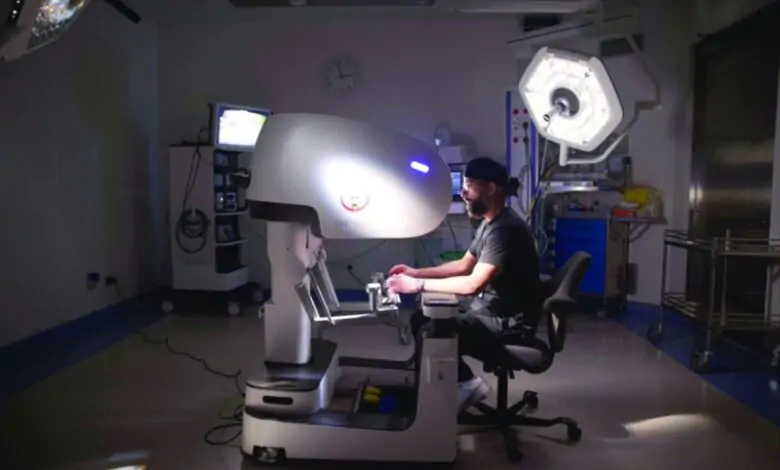
Gulf robotic surgery is supported by continuous advancements in technology. Artificial intelligence, enhanced imaging systems, and improved software allow surgeons to plan procedures with greater accuracy. AI-assisted robotic systems can even provide real-time feedback during surgeries, alerting surgeons to potential risks or suggesting optimal movements.
Telemedicine is another emerging trend. Some Gulf hospitals are exploring remote robotic surgery, where expert surgeons can guide procedures from a different location. This has the potential to bring world-class expertise to patients in remote areas, improving access to advanced care across the region.
Future Prospects of Robotic Surgery in the Gulf
The future of Gulf robotic surgery looks promising. Governments and private hospitals are investing heavily in digital health infrastructure and innovative medical technologies. With continuous improvements in robotics, AI, and minimally invasive techniques, patient outcomes are expected to improve further.
Robotic surgery may soon become the standard for many procedures in the Gulf, offering safer, faster, and more precise operations. As awareness grows, more patients are likely to prefer robotic-assisted procedures, driving further adoption across healthcare systems.
Conclusion
Gulf robotic surgery is redefining the medical landscape in the region. With unmatched precision, reduced recovery times, and minimal invasiveness, this technology provides patients with safer and more effective treatment options. Despite challenges such as high costs and the need for specialized training, hospitals across the Gulf are embracing robotic systems, investing in infrastructure, and training skilled surgeons.
The continued growth of robotic surgery in the Gulf signals a healthcare revolution, where innovation meets patient-centered care. As technology advances and more hospitals adopt these systems, the region is set to become a leader in modern, high-tech surgical procedures, setting new standards for patient outcomes and surgical excellence.
Do Follow Gulf Magazine on Instagram
Also read: UAE National Day Holiday 2025 Five Day Break Expected

