

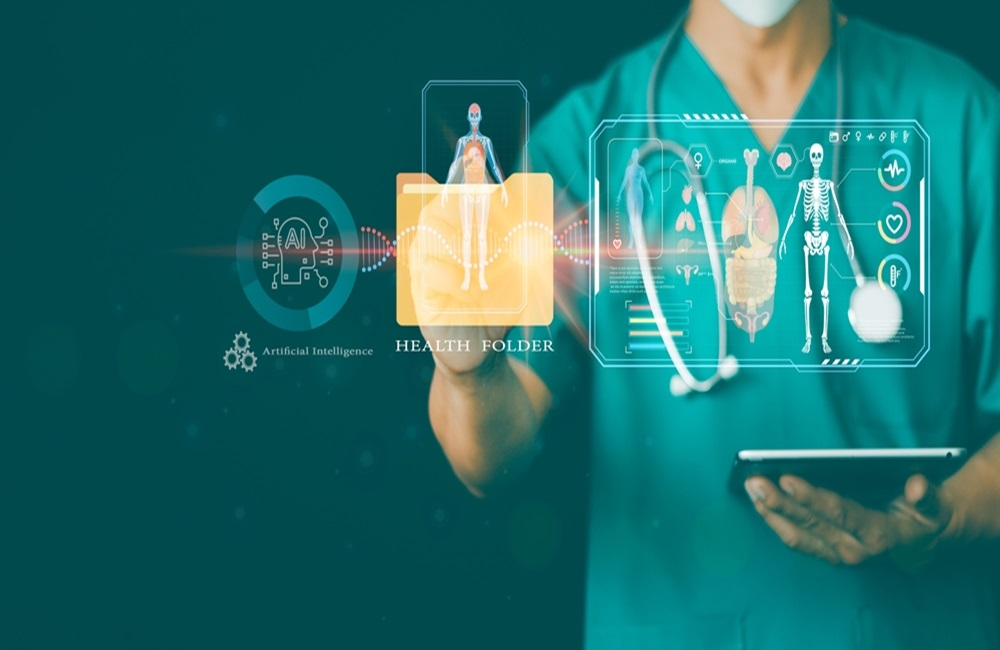
Gulf smart healthcare is reshaping the medical landscape across the region. Hospitals and clinics are embracing digital solutions, improving patient care and accessibility for residents everywhere. With telemedicine, artificial intelligence (AI) diagnostics, and smart hospital systems, the Gulf is advancing healthcare efficiency while expanding access to quality medical services. These technologies are not just tools they are transforming the patient experience and enabling more people to receive timely, accurate, and personalized care.
Telemedicine: Bridging Distance and Care
Telemedicine has emerged as a critical solution in the Gulf’s healthcare ecosystem. Patients can now consult doctors online without visiting a hospital physically. This approach reduces travel time, lowers the risk of infection, and allows for continuous monitoring of chronic conditions. Through secure video consultations, patients can discuss symptoms, receive prescriptions, and get follow-up care conveniently from their homes.
Healthcare providers are integrating telemedicine platforms with electronic health records, ensuring that doctors have complete access to patient histories. This seamless connectivity enhances treatment accuracy and allows for real-time adjustments to care plans. The rise of mobile health applications also empowers patients to track vital signs, set medication reminders, and communicate with healthcare professionals instantly.
AI Diagnostics: Enhancing Accuracy and Speed
Artificial intelligence is revolutionizing diagnostics in Gulf hospitals. AI-powered tools analyze medical images, laboratory results, and patient histories to provide rapid and precise insights. Early detection of conditions such as cancer, cardiovascular diseases, and neurological disorders has become more reliable, leading to better treatment outcomes.
AI also supports predictive analytics, enabling hospitals to anticipate patient needs and optimize resource allocation. For instance, emergency departments can prepare for peak periods by analyzing historical data patterns, reducing patient wait times and improving overall hospital efficiency. By integrating AI with telemedicine, doctors can offer data-driven guidance remotely, ensuring high-quality care is accessible anytime, anywhere.
Smart Hospitals: A New Era of Patient-Centered Care
Smart hospitals in the Gulf are redefining the patient experience. These facilities use interconnected systems to monitor patients, automate routine processes, and enhance operational efficiency. Smart beds track vital signs, alerting staff to any abnormalities, while wearable devices provide continuous health monitoring, even post-discharge.
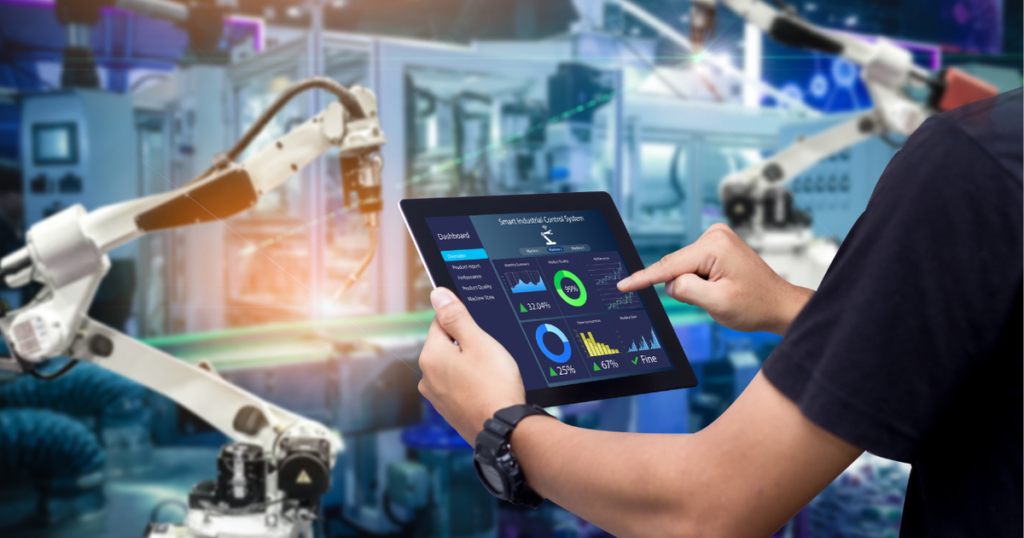
Automation extends beyond patient care. Smart hospital infrastructure manages energy use, optimizes supply chains, and ensures equipment maintenance is timely, reducing costs and improving sustainability. Patients benefit from integrated digital platforms that allow them to schedule appointments, access test results, and communicate with their care teams seamlessly. The result is a more personalized, convenient, and responsive healthcare environment.
Expanding Access: Reaching Remote Communities
One of the most significant impacts of these innovations is improved healthcare accessibility. Telemedicine and smart hospital networks allow patients in remote or underserved areas to receive expert consultations without traveling long distances. Mobile health units equipped with digital diagnostic tools extend the reach of healthcare services to rural communities, bridging the gap between urban and remote care.
The Gulf governments are actively investing in digital health infrastructure, ensuring nationwide coverage. Public-private partnerships are accelerating the deployment of telemedicine platforms, AI diagnostics, and smart hospitals, creating a robust ecosystem that prioritizes patient welfare and equitable access to care.
Improving Patient Engagement and Experience
Technology is also empowering patients to take an active role in their health. Mobile apps, wearable devices, and patient portals provide real-time updates on health metrics, reminders for medication, and educational resources. Patients can track their progress, communicate directly with healthcare teams, and make informed decisions about their treatment.
Engaged patients are more likely to follow treatment plans, attend follow-ups, and adopt healthier lifestyles. By humanizing technology, Gulf healthcare providers are creating an environment where patients feel supported, informed, and involved in their care journey.
Training Healthcare Professionals for a Digital Future
As healthcare becomes increasingly digital, training and upskilling medical professionals is essential. Hospitals are implementing programs to familiarize doctors, nurses, and technicians with AI tools, telemedicine platforms, and smart hospital systems. Continuous learning ensures that medical staff can leverage technology effectively while maintaining high standards of patient care.
Collaboration between technology experts and medical professionals is fostering innovation in clinical workflows, improving diagnostic accuracy, and enhancing operational efficiency. This synergy is vital for sustaining the Gulf’s healthcare transformation in the long term.
The Road Ahead: Sustainability and Innovation
Looking forward, the Gulf region is poised to continue leading in smart healthcare innovation. Investments in AI research, digital health infrastructure, and advanced hospital systems will expand. Sustainability is also becoming a priority, with hospitals adopting eco-friendly practices such as energy-efficient operations and paperless workflows.
Emerging technologies like virtual reality for patient rehabilitation, AI-assisted surgery, and predictive population health analytics promise to further improve healthcare outcomes. The Gulf’s commitment to integrating innovation with patient-centered care ensures that residents will enjoy a more accessible, efficient, and compassionate healthcare system.
Conclusion
The shift toward telemedicine, AI diagnostics, and smart hospitals is transforming healthcare in the Gulf. Patients benefit from faster, more accurate diagnoses, improved accessibility, and personalized care experiences. As governments and private healthcare providers continue to embrace technology, the region is setting a global standard for modern, patient-focused healthcare. The future of Gulf healthcare is not only digital but also humanized, ensuring that technology enhances the lives of patients while maintaining the personal touch that is essential to quality care.
Do follow Gulf Magazine on Instagram.
Also Read – Rising Demand for Organic and Plant-Based Foods in GCC

