

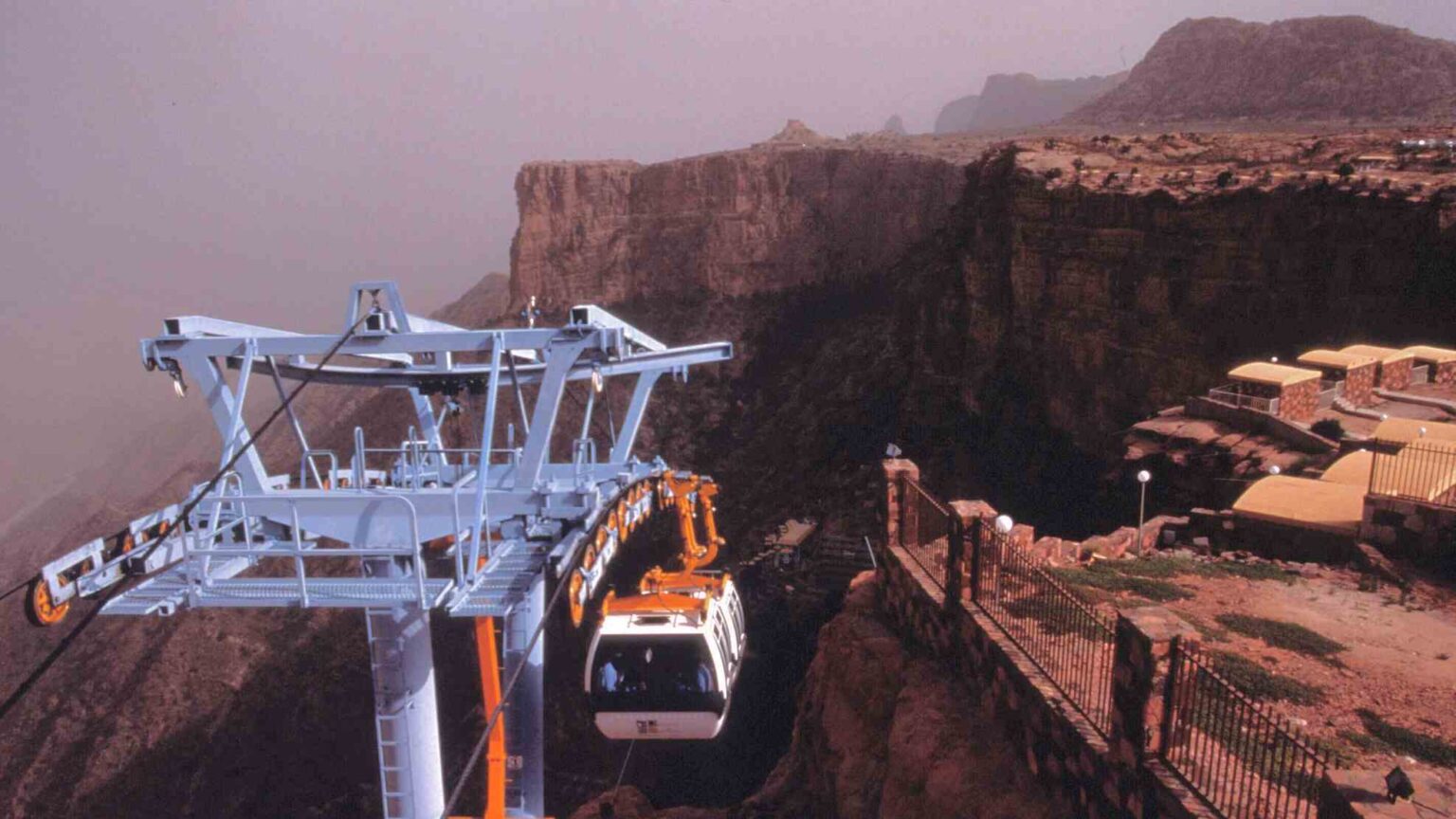
Habala Hanging Village Asir is one of Saudi Arabia’s most dramatic and emotionally powerful heritage sites. Suspended high above a deep valley in the Asir Mountains, Habala feels less like a place and more like a story carved into stone. The village sits on sheer cliffs, where ancient homes cling to rock faces and clouds drift below your feet. Visiting Habala is not just about sightseeing; it is about understanding how people once lived in complete harmony with nature, courage, and isolation.
The word “Habala” means “hanging” in Arabic, and the name fits perfectly. From a distance, the village appears to float between sky and earth, creating a surreal visual experience. It is a symbol of human resilience, showing how communities adapted to harsh landscapes while preserving culture and identity.
The Remarkable History of Habala
Habala was once home to the Qahtani tribe, who settled here over 300 years ago. They chose this remote cliffside not for comfort, but for protection. The vertical terrain made it nearly impossible for enemies to attack, turning the village into a natural fortress.
In the past, residents accessed the village only by ropes and ladders carved into the rock. Supplies, water, and even children were lifted and lowered using handmade systems. Life was difficult, but deeply connected. Families depended on each other for survival, sharing food, tools, and responsibilities.
Eventually, modern infrastructure led residents to relocate to safer areas below. Yet the village remains preserved, frozen in time, telling silent stories through stone walls, small windows, and narrow pathways.
Geography and Natural Beauty
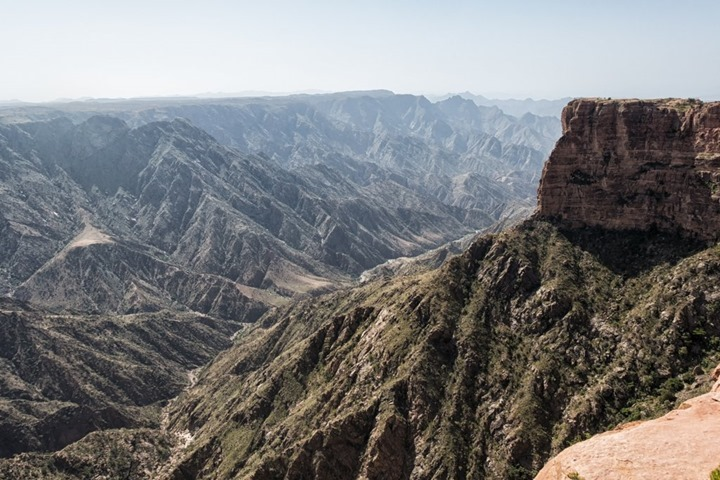
Habala Hanging Village Asir is located near the town of Abha, surrounded by lush green mountains, misty valleys, and dramatic cliffs. Unlike the deserts many associate with Saudi Arabia, Asir offers a completely different landscape. The region is cooler, greener, and filled with natural charm.
From the viewpoint, visitors can see layers of mountains fading into the distance, with clouds drifting through valleys like slow-moving rivers. Sunsets here are especially emotional, as golden light touches ancient homes and shadows stretch across the cliffs.
The natural environment makes Habala a perfect blend of heritage and eco-tourism, appealing to travelers who seek both culture and scenery.
Architecture Carved from Stone
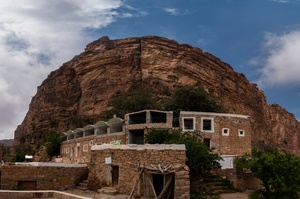
The architecture of Habala is a masterpiece of simplicity and survival. Homes were built directly into the cliff face using local stone and mud. These structures were designed to blend into the environment, offering insulation from heat and protection from winds.
Each house had multiple levels, often connected by narrow stairways. Windows were small, not for aesthetics, but to maintain temperature and safety. Roofs doubled as terraces, and storage spaces were carved into rock walls.
Walking through Habala today feels like stepping into a living museum, where every stone carries memory and meaning.
Daily Life in the Hanging Village
Life in Habala was not easy, but it was deeply meaningful. Families farmed small patches of land, grew crops like millet and barley, and raised goats. Water was collected from mountain sources and carefully stored.
Children learned survival skills from a young age, climbing cliffs with confidence and respect for nature. Elders shared stories, wisdom, and tribal traditions, passing culture through spoken word.
Community was everything. Without modern technology, people relied on trust, cooperation, and shared identity to thrive in isolation.
Cultural Significance in Asir
Habala Hanging Village Asir is more than a tourist attraction; it is a cultural symbol of the Asir region. It represents the courage of mountain communities and their ability to build life in impossible places.
Traditional clothing, crafts, and architecture from Habala reflect Asir’s unique identity. The village also connects strongly with local poetry, folklore, and oral history, where stories of bravery and endurance are still told today.
For Saudi Arabia, Habala stands as a reminder of pre-modern life and the importance of preserving heritage in a rapidly changing world.
The Modern Habala Experience
Today, Habala has been developed as a cultural tourism destination. Visitors reach the village via a scenic cable car, replacing the dangerous rope systems of the past. The journey itself is unforgettable, offering aerial views of cliffs, valleys, and ancient ruins.
At the site, travelers can explore restored houses, walk along cliff edges, and take photographs from panoramic viewpoints. Local guides often share stories of tribal life, making the experience more personal and emotional.
Small markets nearby sell traditional Asiri products, including honey, spices, handicrafts, and textiles, allowing visitors to take a piece of local culture home.
Emotional Impact on Visitors
What makes Habala truly special is how it makes people feel. Standing at the edge of the cliff, looking at homes suspended in air, creates a sense of humility and awe. It reminds visitors of human strength, simplicity, and connection to nature.
Many travelers describe Habala as peaceful yet powerful. There is silence in the air, broken only by wind and distant birds. It is a place where time feels slower, and thoughts become deeper.
Habala does not entertain; it inspires.
Habala in Saudi Arabia’s Tourism Vision
As Saudi Arabia expands its tourism sector, Habala Hanging Village Asir plays an important role in cultural and heritage tourism. It offers an alternative to luxury cities and modern resorts, focusing instead on authenticity and emotional storytelling.
The site aligns with Vision 2030 by promoting sustainable tourism, preserving historical landmarks, and introducing global visitors to lesser-known regions like Asir.
Habala proves that tourism is not only about glamour, but also about meaning, memory, and identity.
Best Time to Visit Habala
The best time to visit Habala Hanging Village Asir is between March and October, when the weather is cool and pleasant. During summer, Asir remains one of the coolest regions in Saudi Arabia, making it ideal for mountain travel.
Early mornings and late afternoons offer the best light for photography and peaceful exploration. Fog and mist often add a mystical atmosphere, making the village look like it belongs to another world.
Why Habala Matters Today
In a world driven by speed and technology, Habala stands quietly, reminding people of simpler ways of living. It represents balance between humans and nature, courage in hardship, and beauty in isolation.
Habala Hanging Village Asir is not just a place on a map. It is a feeling of standing between past and present, sky and earth, memory and reality.
To visit Habala is to reconnect with humanity itself.
Do follow Gulf Magazine on Instagram.
Also Read – Rijal Almaa Heritage Village Asir: Timeless Saudi Gem

