

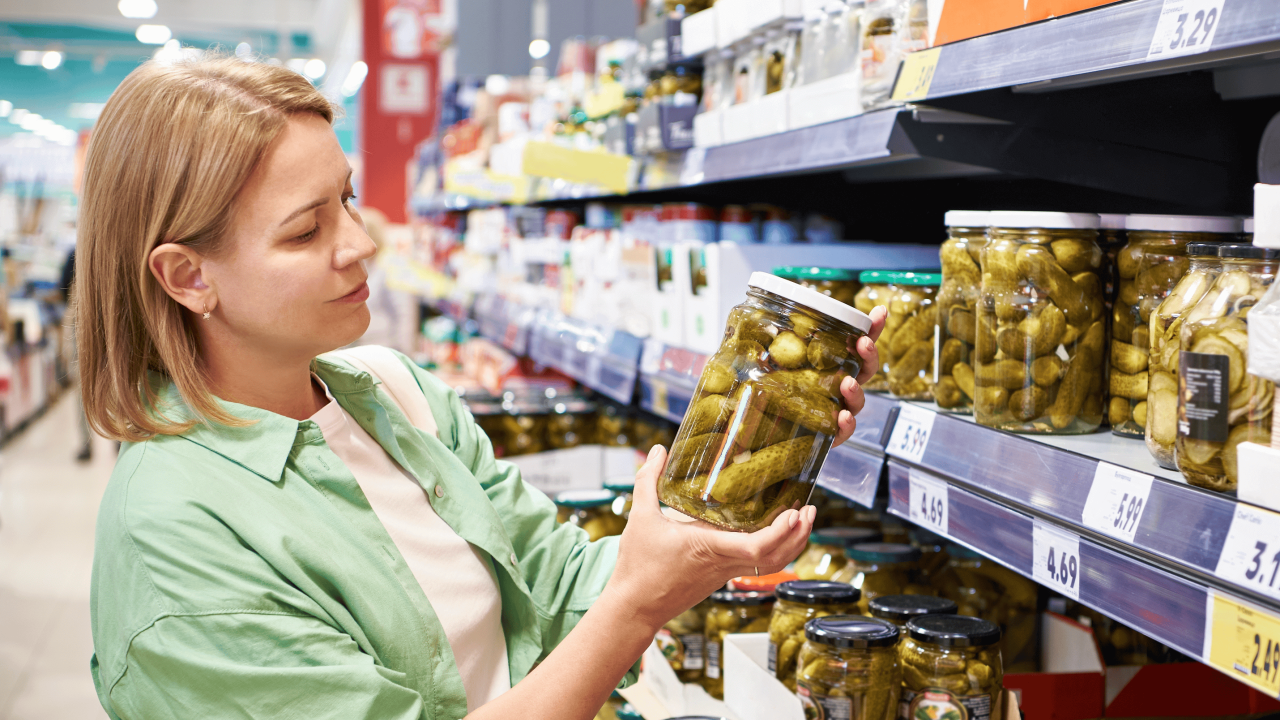
Hidden food additives have been detected in 1 in 5 supermarket products in Kuwait, according to a recent investigation by health authorities and food safety researchers. The report highlights serious concerns over labeling transparency and consumer health in the region’s food market.
The discovery is sparking public concern, especially among health-conscious consumers and families with children. Many of these additives were not clearly mentioned on packaging, leaving shoppers unaware of what they are consuming.
This growing issue is pushing regulators and supermarkets to improve labeling standards and product monitoring to ensure safety and transparency.
What Are Hidden Food Additives?
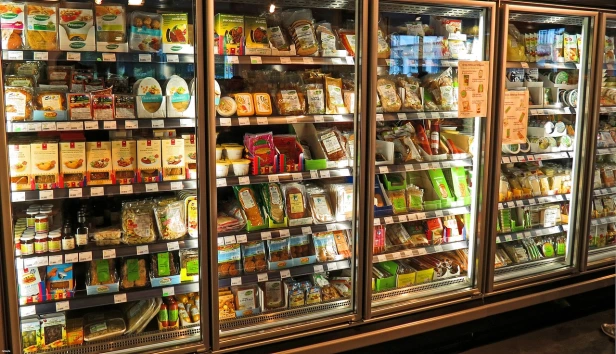
Hidden food additives are chemical substances added to foods for various purposes, such as enhancing flavor, improving texture, extending shelf life, or altering appearance. These may include preservatives, artificial colors, flavor enhancers, and stabilizers.
What makes them “hidden” is the lack of clear labeling or technical terms that most consumers don’t understand. In some cases, additives may be grouped under broad labels like “flavoring” or “spices,” leaving out specific chemical names.
For example, additives like monosodium glutamate (MSG), sodium benzoate, and certain food dyes are commonly used but not always listed properly, making it difficult for the average consumer to recognize them.
The Kuwait Study: A Wake-Up Call
The study conducted in early 2025 tested over 1,000 packaged food items from major supermarket chains across Kuwait. It found that nearly 20% of them contained undeclared or poorly labeled hidden food additives.
Key findings included:
- Processed snacks, canned foods, and ready-to-eat meals had the highest number of additives.
- Imported products had a higher chance of containing unlisted chemical substances.
- Some additives identified are linked to allergic reactions or long-term health concerns.
- Many products used vague terms like “natural flavors” without disclosing actual ingredients.
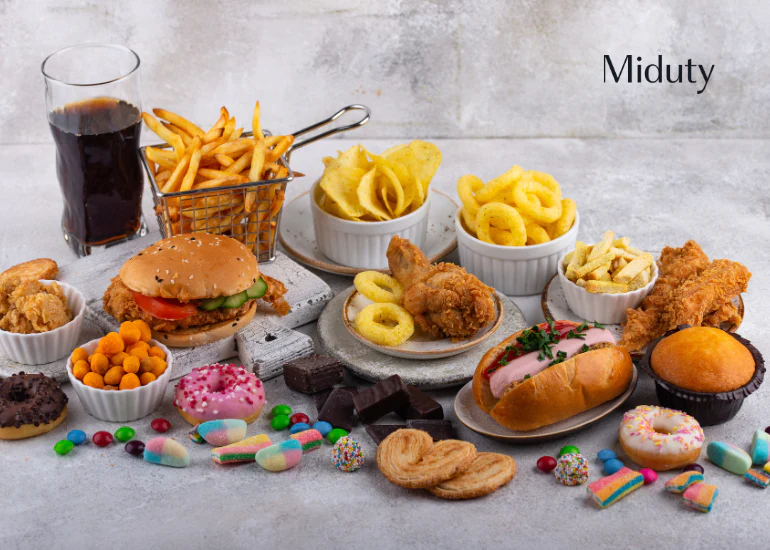
Hidden food additives were especially common in foods aimed at children, such as flavored drinks, colorful candies, and instant noodles.
The results have prompted calls for stronger food regulations and greater consumer awareness about what’s really inside everyday supermarket items.
Health Risks of Hidden Food Additives
Hidden food additives may cause more than just confusion. Several health risks are associated with long-term or high exposure to synthetic food chemicals:
- Allergies and Intolerances: Additives like sulfites and artificial dyes can trigger allergic reactions in sensitive individuals.
- Hyperactivity in Children: Studies have linked some colorants and preservatives to behavioral issues like hyperactivity.
- Digestive Issues: Some emulsifiers and thickeners can interfere with gut health and digestion.
- Chronic Diseases: Prolonged intake of certain additives may contribute to health problems such as high blood pressure, diabetes, and even cancer.
Hidden food additives may not cause immediate harm, but their cumulative effects over time raise serious questions about food safety and labeling ethics.
Public Reaction and Social Media Buzz
After the report’s release, social media in Kuwait lit up with posts from concerned consumers. Many shared photos of product labels, warning others about what to avoid. Health influencers and doctors also stepped in, urging the public to read ingredient lists more carefully.
Parents of young children have been particularly vocal, demanding more transparency from food manufacturers and stricter government action.
Local health forums and news channels have started educating the public on how to recognize and avoid hidden food additives in daily diets.
How Supermarkets Are Responding
Supermarkets in Kuwait are now under pressure to respond. Some major retail chains have issued public statements promising better quality control and clear labeling on all imported and domestic products.
Retailers are also working with suppliers to identify high-risk items and review their ingredient disclosures. A few have already started tagging products with clean-label symbols to help shoppers choose additive-free options.
Several grocery chains are considering setting up “additive-free” aisles or sections dedicated to natural, organic, and clean-label food choices.
What Government Authorities Are Doing
Kuwait’s Public Authority for Food and Nutrition (PAFN) has launched an audit of food products across supermarkets, focusing on those identified in the recent study.
Officials have said they are reviewing current food labeling laws and considering new regulations that would make it mandatory to list all additives by name, no matter how small the quantity.
Possible steps include:
- Creating a public online database of common additives and their health risks
- Requiring companies to provide ingredient explanations in plain Arabic and English
- Banning certain high-risk additives entirely
PAFN is also working with regional Gulf food safety bodies to align standards across neighboring countries.
How Consumers Can Protect Themselves
Until stricter regulations are in place, consumers in Kuwait can take a few simple steps to protect themselves from hidden food additives:
- Read ingredient labels carefully – Look beyond marketing claims and examine the fine print.
- Learn common additive names – Understand terms like E-numbers, artificial colors, and preservatives.
- Choose whole and fresh foods – Fresh produce, grains, and homemade meals are safer choices.
- Use clean-label apps – Several mobile apps can scan product barcodes and flag harmful ingredients.
- Follow trusted health sources – Stay updated on food safety news and expert recommendations.
Looking Ahead: Cleaner Food Future?
Hidden food additives are an invisible danger many never notice. But the recent findings in Kuwait show that the problem is real and widespread. With nearly 1 in 5 products affected, it’s time for change.
Food manufacturers must step up transparency, supermarkets need stricter policies, and consumers must stay informed. The role of Hidden Food Additives in our diets is no longer a minor issue it’s a major health conversation.
Authorities and health advocates hope that increased awareness and future reforms will help build a cleaner, safer food market in Kuwait and beyond.
Do follow Gulf Magazine on Instagram
Also Read – Kuwait’s Traditional Food Market Grows by 60% Despite Global Brands

