

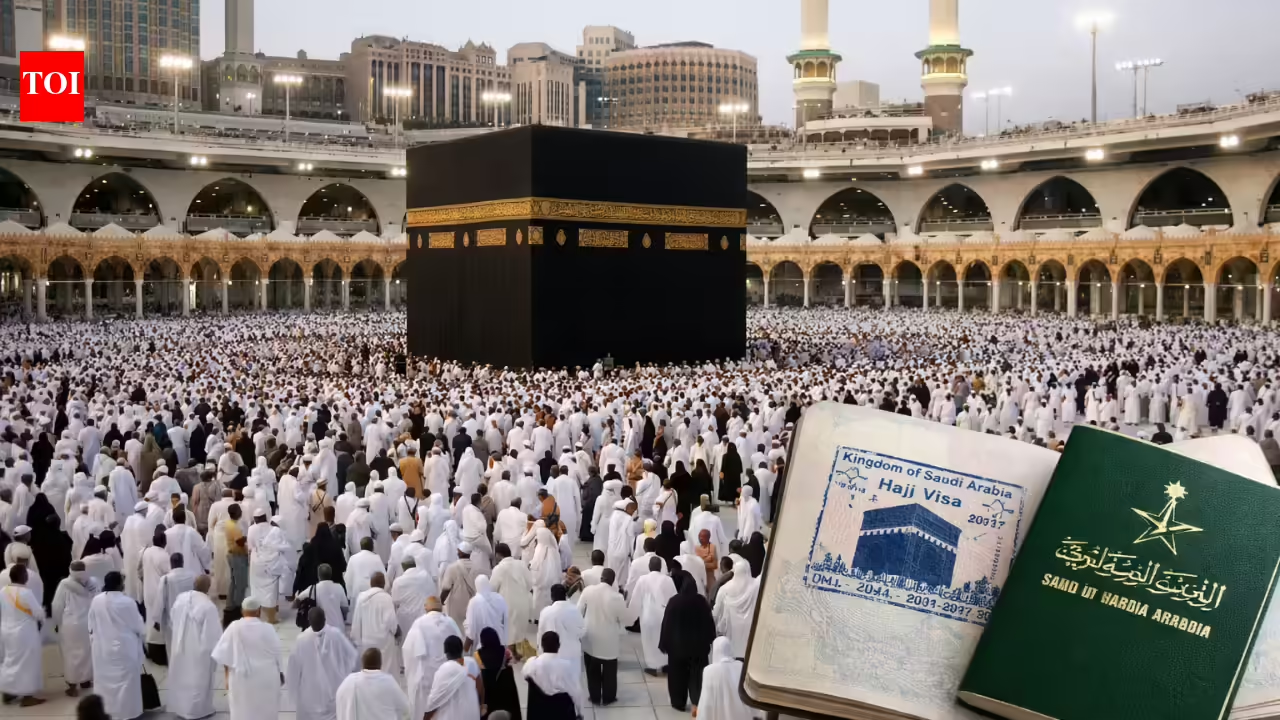
Saudi Arabia has officially begun issuing visas for the much-anticipated 2026 Hajj season, marking a proactive step in facilitating the world’s largest annual pilgrimage. The Ministry of Hajj and Umrah launched the visa issuance process on February 8, well ahead of the pilgrimage dates. This early rollout reflects a strategic shift in planning and preparation, designed to improve coordination, logistics, and the overall experience for millions of pilgrims.
For many intending pilgrims, Hajj is a once-in-a-lifetime spiritual journey, rooted deeply in faith and tradition. Saudi Arabia’s decision to begin visa issuance earlier than usual brings clarity and confidence to those planning their travels, offering more time to prepare travel arrangements, complete documentation, and ensure a smooth path toward fulfilling this sacred obligation.
Early Issuance: A Strategic Move
Traditionally, Hajj visas are issued closer to the pilgrimage dates. However, for the 2026 season (1447 AH), the Saudi Ministry of Hajj and Umrah has released visas nearly four months ahead of arrival timelines. This proactive approach aligns with a detailed operational calendar shared with Hajj affairs offices around the world. By initiating the process early, authorities aim to streamline complex logistical tasks and ease administrative bottlenecks that have historically challenged large-scale pilgrimages.
The early visa launch comes as part of a broader strategy to ensure that every step from pilgrim registration to arrival in the Kingdom — is handled with precision and care. Saudi officials see this as part of their ongoing commitment to service excellence and modernization, ensuring that pilgrims can focus on their spiritual journey without being burdened by last-minute formalities.
Robust Preparations Behind the Scenes
While visas are now being issued, the groundwork for the 2026 Hajj has been laid for months. Preparations began in mid-2025, when preliminary planning documents and schedules were shared with Hajj affairs offices globally. This gave participating countries and agencies ample time to plan group formations, complete registrations, and organise essential services.
In the months leading up to February, Saudi authorities finalized contracts for pilgrim accommodations, transport, and services at key holy sites such as Makkah and Medina. These logistical arrangements are critical to managing the influx of pilgrims during the peak days of the pilgrimage. The Ministry has also used advanced digital tools like the Nusuk Masar platform to allocate camps, process bookings, and enhance transparency in service delivery.
Estimates suggest that around 750,000 pilgrims have already registered for Hajj 2026, including tens of thousands who booked packages directly from their home countries. This strong early engagement underscores the global enthusiasm for the pilgrimage and the importance of a well-organized visa system.
What Pilgrims Should Know
Pilgrims planning to attend Hajj this year are encouraged to promptly submit their visa applications through approved channels and complete any required registration procedures. The Ministry’s operational timeline includes stages for visa finalization and submission of pre-arrival data, ensuring that all formalities are completed well before travel.
Using the Nusuk Masar platform, pilgrims and Hajj affairs offices can track application statuses, access service information, and make necessary arrangements. This highly integrated digital system plays a central role in modernizing the pilgrimage experience and giving applicants greater control over their preparations.
The first groups of pilgrims are expected to begin arriving in Saudi Arabia as early as mid-April. This phased arrival allows local authorities to manage logistics more effectively and ensure that essential services such as transportation, accommodation, and health support are ready for each group.
Enhancing the Pilgrim Experience
Saudi Arabia’s decision to move up visa issuance for Hajj 2026 reflects its broader ambition to transform the pilgrimage experience through better planning, improved access, and enhanced comfort. This initiative resonates with elements of Vision 2030, a national agenda focused on elevating the quality of services across the Kingdom and making religious tourism more accessible to people worldwide.
For many pilgrims, the early visa launch brings peace of mind. It reduces the stress of last-minute applications, eliminates uncertainties around travel documentation, and provides more time to plan every aspect of the journey. Families, travel agencies, and community groups involved in Hajj arrangements now have a clearer roadmap for completing tasks, coordinating travel, and preparing spiritually and logistically for the pilgrimage.
Looking Ahead
As the world prepares for Hajj 2026, millions are likely to benefit from Saudi Arabia’s forward-looking approach to visa issuance. The early start underscores the Kingdom’s commitment to supporting the global Muslim community in fulfilling one of the most significant pillars of Islam. By acting ahead of time, authorities are setting new standards in pilgrimage management with efficiency, dignity, and respect for the spiritual significance of Hajj at the forefront.
With robust systems in place and preparations well underway, the 2026 Hajj season holds promise for a deeply meaningful and well-organized pilgrimage experience for millions of believers around the world.
Do Follow Gulf Magazine on Instagram
Read More:- Best Men’s Health Centers in Saudi Arabia

