

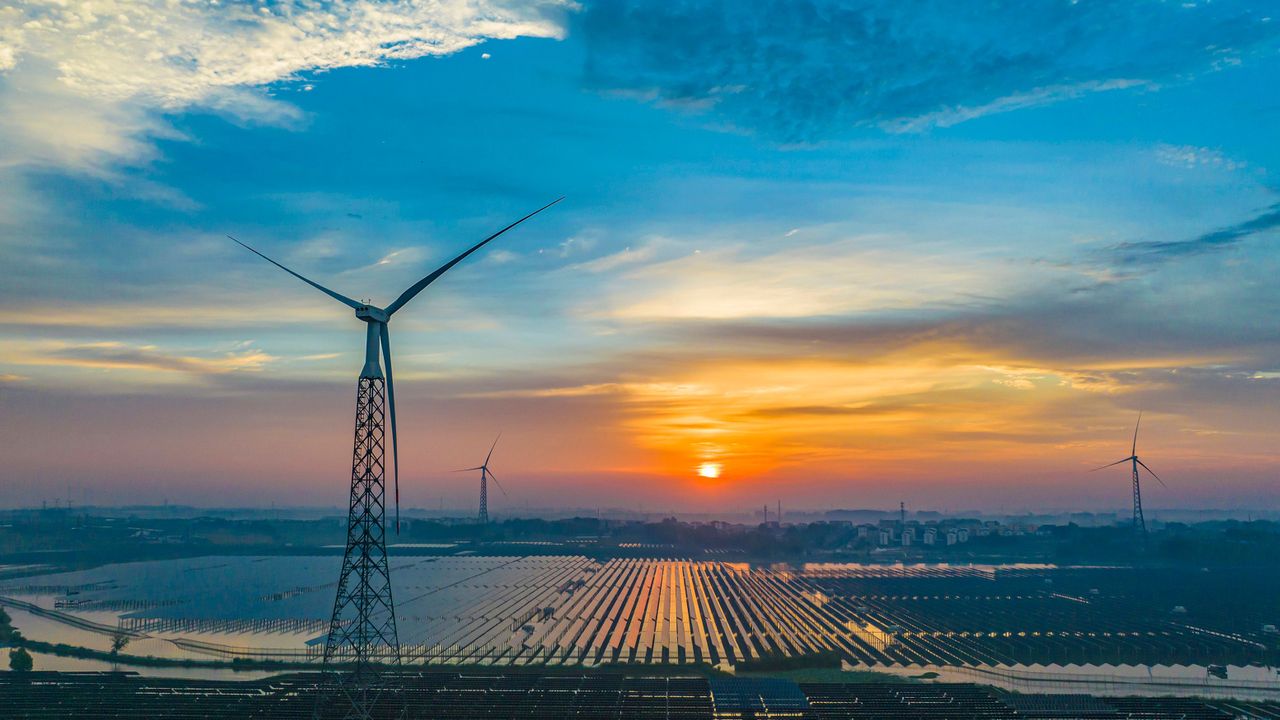
As the global shift toward sustainable energy gains momentum, desert regions—once seen as lifeless, unproductive zones—are now emerging as hotspots for renewable energy innovation. With an abundance of sunlight, wind, and open space, deserts offer a perfect setting for next-generation energy solutions. The expansion of renewable energy tech in desert environments is proving to be a game-changer for both environmental sustainability and energy independence.
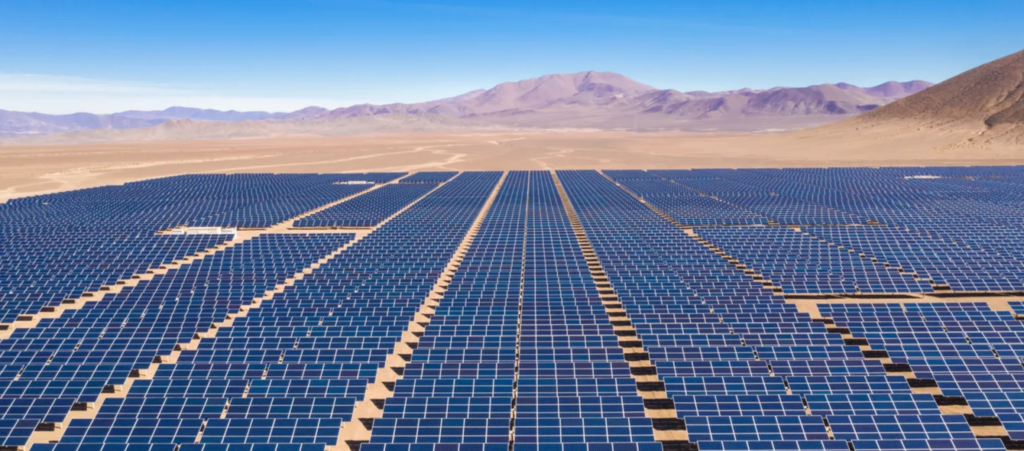
This article explores the types of technologies being used, the countries leading the movement, challenges being faced, and the future outlook of green energy in arid regions.
Why Deserts Are Ideal for Renewable Energy Projects
Desert environments are harsh, but they come with distinct advantages that make them highly suitable for renewable energy development:
- Consistent sunlight: Deserts receive over 300 days of sunlight annually, making them ideal for solar power plants.
- Strong wind conditions: Many desert areas also experience steady wind patterns, perfect for wind turbines.
- Large uninhabited land: These regions offer expansive areas where large solar farms or wind parks can be installed with minimal disruption.
These benefits are now being maximized with innovative renewable energy technologies designed specifically to withstand and thrive in extreme desert conditions.
Solar Power: Leading the Charge in the Desert
Solar power remains the most common and promising form of renewable energy in desert areas. Technologies such as Photovoltaic (PV) panels and Concentrated Solar Power (CSP) systems are being used on a massive scale.
Example: Noor Complex in Morocco
One of the largest CSP plants in the world, the Noor Complex in the Moroccan desert, supplies energy to more than one million homes. The country aims to derive over 50% of its electricity from renewables by 2030. Learn more here.
Example: Mohammed bin Rashid Al Maktoum Solar Park, UAE
This facility aims to reach 5,000 megawatts of clean energy production by 2030. Full details available.
These projects are proving that even in high-temperature, dusty environments, solar tech can operate effectively with proper planning and innovation.
Wind Energy: Tapping Into Desert Gusts
While deserts are mostly known for sunlight, wind energy is also gaining traction. Wind farms in desert regions are taking advantage of consistent, powerful gusts that move across open, flat terrain.
Case in Point: Egypt’s Zafarana Wind Farm
Located along the Red Sea coast, this wind farm is one of Africa’s largest, and contributes significantly to the country’s energy needs. Egypt aims to derive 42% of its electricity from renewables by 2035. Read more.
Wind energy in desert environments benefits from fewer obstacles like trees or buildings, allowing turbines to operate at optimal efficiency.
Technological Innovations That Make Desert Energy Possible
To make renewable energy work in such extreme conditions, researchers and companies are continuously innovating:
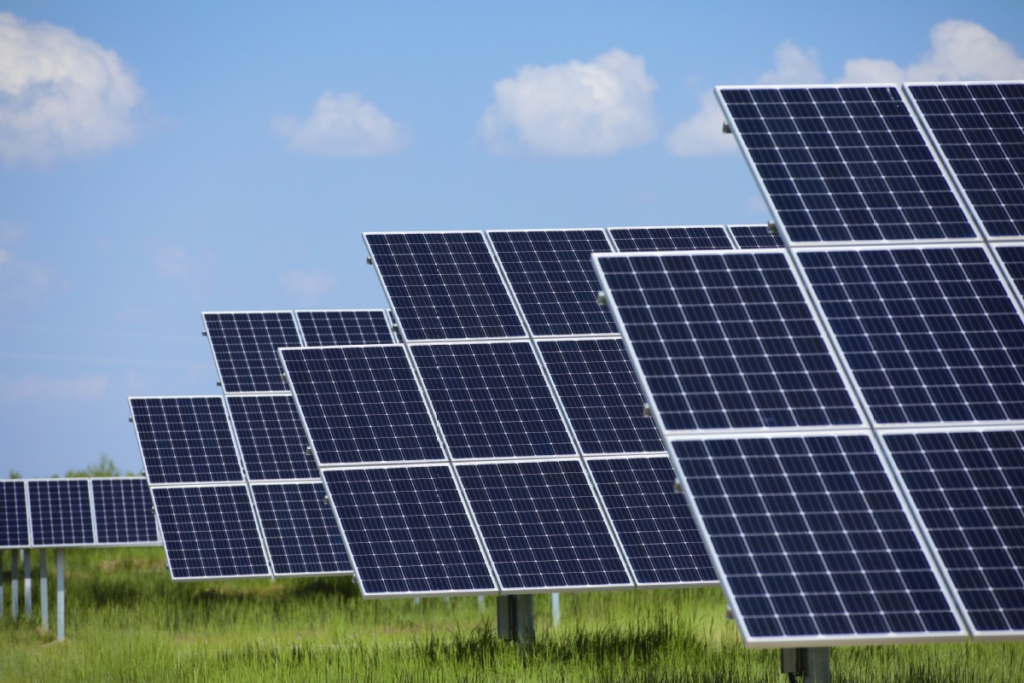
- Self-cleaning solar panels: Dust accumulation is a major issue in deserts. New panels can repel or automatically remove dust without water.
- Heat-resistant materials: New materials are being developed that can withstand high UV and temperature stress without degrading.
- Hybrid solar-wind systems: Some areas are experimenting with mixed installations to ensure consistent power supply, day and night.
These advancements have significantly reduced maintenance needs and increased energy output, making desert-based projects more viable and attractive.
Environmental and Economic Benefits
The impact of renewable energy development in desert regions goes beyond just clean energy:
- Job creation: Large-scale renewable energy projects provide employment opportunities in construction, operations, and maintenance.
- Water conservation: Unlike fossil fuel power plants, which require large volumes of water for cooling, many solar and wind systems use little to no water.
- Energy independence: Countries with large desert areas can reduce their reliance on imported fossil fuels.
Renewable energy in deserts is thus not just an environmental solution but also an economic opportunity for many developing nations.
Challenges Facing Desert-Based Renewable Energy
Despite the progress, several challenges still hinder the widespread adoption of renewable tech in deserts:
- Extreme temperatures can reduce the efficiency of PV panels.
- Dust storms can damage equipment and require constant cleaning.
- Infrastructure limitations: Many deserts are remote, requiring long-distance transmission lines to deliver power to urban centers.
- Initial investment costs: Setting up these large-scale projects is expensive and requires strong government and private backing.
Overcoming these hurdles will require collaboration between governments, researchers, and the private sector.
Global Leaders in Desert Renewable Energy
Several countries are leading the push:
- United Arab Emirates: Massive investments in solar parks and hydrogen production.
- Saudi Arabia: NEOM’s Oxagon and The Line are examples of smart cities powered by 100% renewables. More details.
- Morocco: Leading the African continent with CSP development.
- India: Projects in Rajasthan and Gujarat are adding to the country’s solar capacity.
These nations serve as models for how arid regions can contribute to global clean energy goals.
The Future of Renewable Energy in Desert Regions
As climate change becomes a global crisis, desert regions may hold the key to sustainable energy expansion. New technologies like solar towers, hydrogen production using solar energy, and AI-based energy management systems are already being tested in these zones.
With growing international interest and investment, the next decade is likely to see deserts transform from barren lands to energy-producing ecosystems. The continued advancement in renewable energy tech in desert environments is no longer a dream—it’s a rapidly unfolding reality.
Final Thoughts
Desert environments may once have been dismissed as inhospitable, but thanks to cutting-edge renewable energy technology, they are now being seen as goldmines for clean power. With the right mix of innovation, policy, and investment, deserts could very well power the future of our planet.
For a more detailed analysis on desert solar projects and energy policy trends, you can also explore insights at the International Renewable Energy Agency.
Also Read – GCC Steps Into Global AI Ethics Leadership With Bold Moves

