

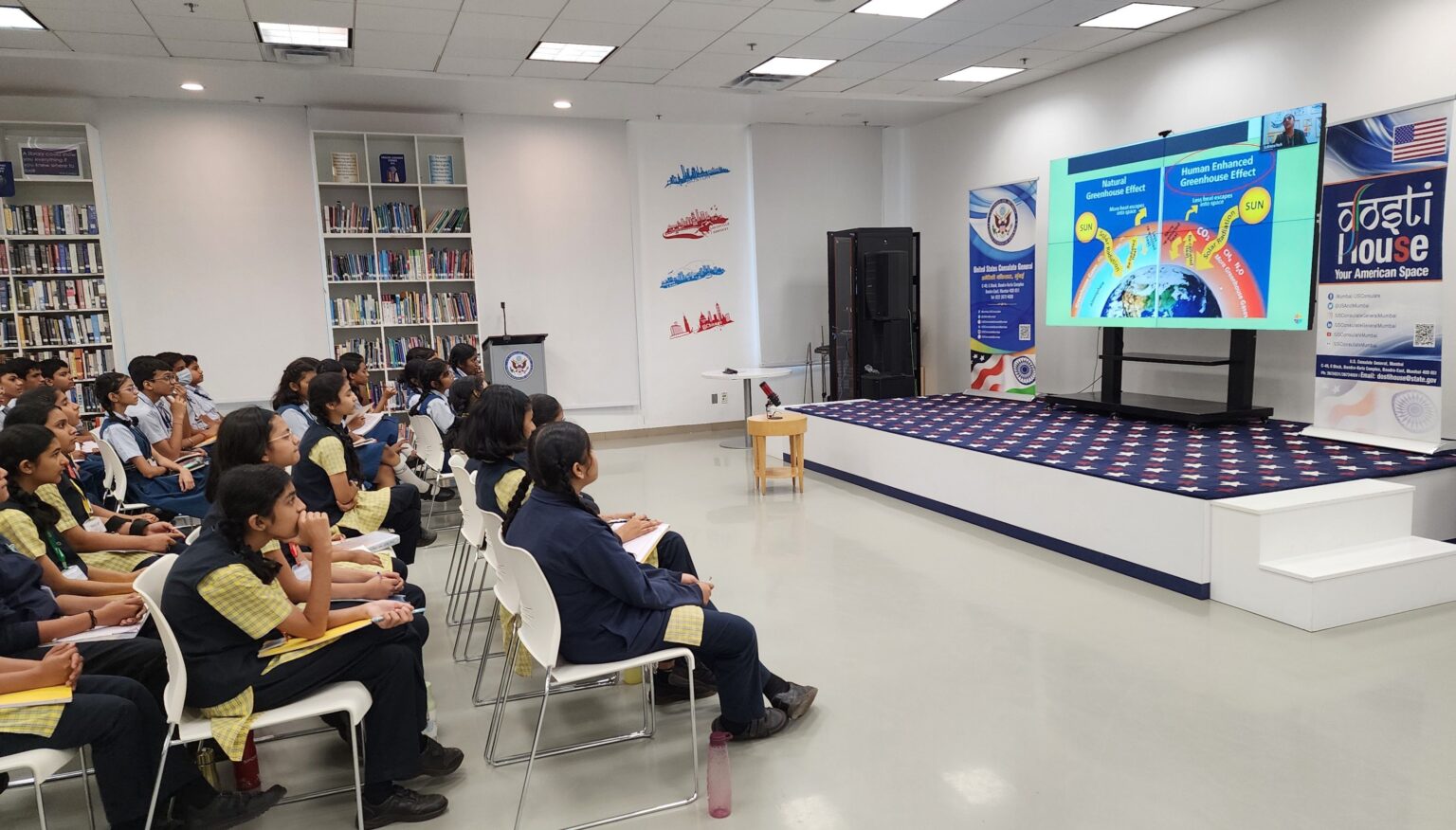
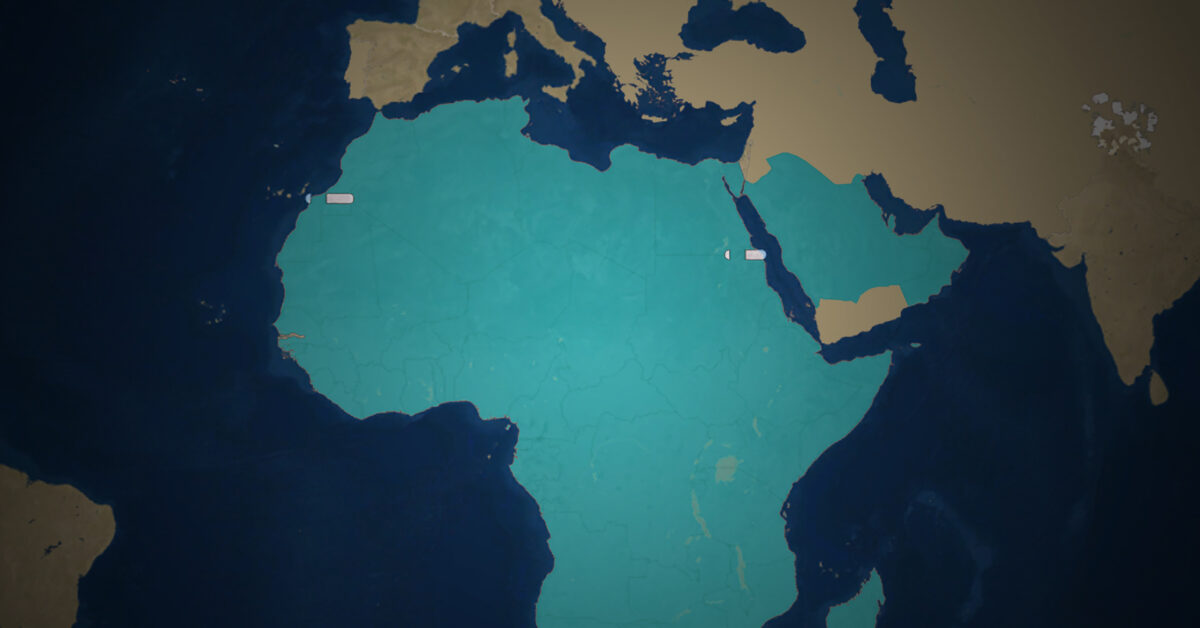
Education is often seen as the cornerstone of a nation’s development. In the Gulf region, education plays a pivotal role in shaping national vision strategies, which aim to enhance economic growth, social cohesion, and cultural identity. This article explores how education supports these strategies, ultimately driving progress and innovation across the region.
Understanding National Vision Strategies in the Gulf
National vision strategies in the Gulf countries, such as Saudi Arabia’s Vision 2030 and the UAE’s Vision 2021, focus on transforming their economies and societies. These strategies emphasize diversifying economies, fostering innovation, and building a skilled workforce. Education is central to these goals, as it equips individuals with the knowledge and skills necessary to thrive in a rapidly changing world.
By investing in education, Gulf nations are not only preparing their citizens for the job market but also instilling values that align with national aspirations. This connection between education and national vision strategies is crucial for sustainable development.
The Role of Education in Economic Diversification
As Gulf countries seek to reduce their reliance on oil revenues, education serves as a powerful tool for economic diversification. Higher education institutions are increasingly offering programs in technology, entrepreneurship, and sustainability, preparing graduates for careers in emerging sectors.
Vocational training and technical education are also gaining prominence. These programs provide practical skills that meet the demands of various industries, from renewable energy to information technology. By aligning educational offerings with market needs, Gulf nations can create a workforce that drives innovation and boosts economic resilience.
Fostering Social Cohesion Through Education
Education not only supports economic goals but also fosters social cohesion within Gulf societies. With a diverse population, including expatriates and citizens from various backgrounds, educational institutions play a vital role in promoting understanding and respect.
Curricula that incorporate cultural studies, ethics, and social responsibility encourage students to appreciate their heritage while valuing diversity. This holistic approach to education helps build a sense of belonging and unity, essential for national identity and stability.
Enhancing Innovation and Creativity
Innovation is a key component of national vision strategies in the Gulf. Education systems that prioritize critical thinking, creativity, and problem-solving skills nurture the next generation of innovators. Universities and research institutions are collaborating with industries to encourage research and development, fostering an environment where ideas can flourish.
By creating incubators and innovation hubs, educational institutions empower students to turn their ideas into viable businesses. This entrepreneurial spirit not only contributes to economic growth but also reinforces national ambitions for self-sufficiency and technological advancement.
Bridging the Gap Between Education and Employment
One of the challenges facing many Gulf countries is bridging the gap between education and employment. Employers often express concerns about the readiness of graduates to enter the workforce. To address this, educational institutions are increasingly partnering with businesses to ensure that curricula align with industry needs.
Internships, co-op programs, and mentorship opportunities are being integrated into educational pathways, providing students with real-world experience. This practical exposure not only enhances employability but also fosters a culture of continuous learning and adaptability.
The Impact of Technology on Education
The integration of technology in education has transformed learning experiences and outcomes in the Gulf region. E-learning platforms and digital resources have made education more accessible, especially in remote areas.
These technologies enable personalized learning experiences, catering to various learning styles and paces. Moreover, online courses and degree programs allow individuals to upskill or reskill, contributing to lifelong learning initiatives that align with national vision strategies.
Building Future Leaders
Education in the Gulf is not just about academic achievement; it also focuses on developing future leaders. Leadership programs in schools and universities encourage students to take initiative, collaborate, and engage in community service.
By instilling leadership qualities early on, educational institutions prepare students to take on roles that shape the future of their nations. This focus on leadership is essential for realizing the ambitious goals outlined in national vision strategies.
Conclusion: Education as a Catalyst for Progress
In conclusion, education is a vital pillar supporting national vision strategies in the Gulf. By fostering economic diversification, social cohesion, innovation, and leadership, education empowers individuals to contribute meaningfully to their societies. As Gulf nations continue to evolve, the role of education in achieving their aspirations will only grow more significant.
To stay updated on the latest developments in the Gulf region,
Also Read – Balancing Tradition and Modern Learning in Gulf Education
do follow Gulf Magazine on Instagram.

