

The Rise of Experiential Learning in Qatar
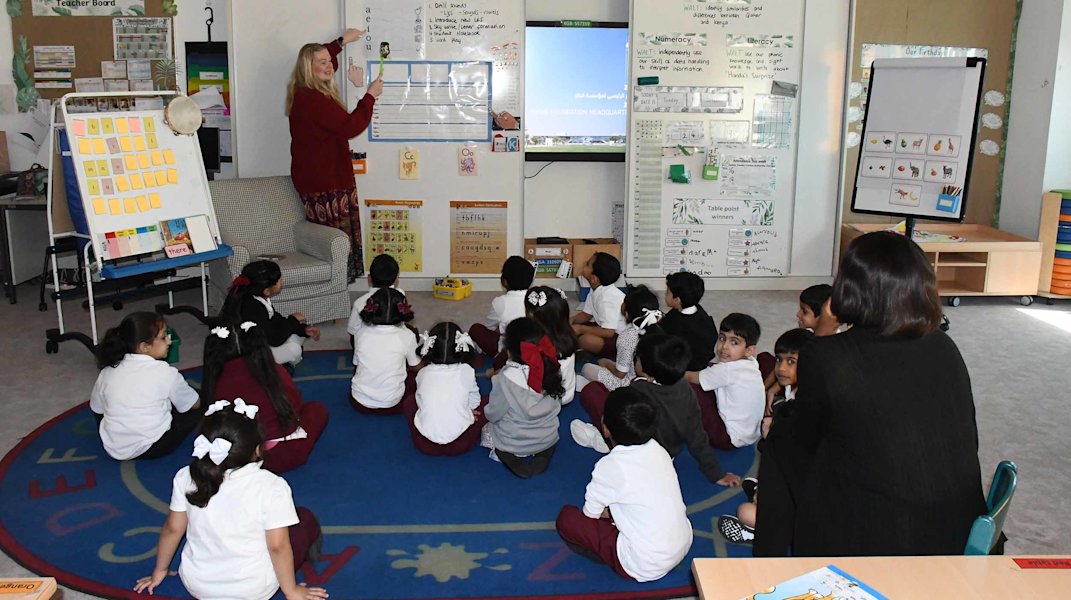
Qatar is witnessing a transformative shift in education as experiential learning becomes the cornerstone of developing skilled professionals. Unlike traditional classroom approaches that rely heavily on textbooks and lectures, experiential learning emphasizes hands-on experiences, real-world problem-solving, and active participation. This method allows students and young professionals to engage directly with challenges, fostering critical thinking, creativity, and practical knowledge. In a rapidly evolving economy, Qatar recognizes that nurturing future professionals requires more than theoretical knowledge; it requires experience, adaptability, and innovation.
By embedding experiential learning into schools, universities, and vocational programs, Qatar is creating an environment where students don’t just learn concepts—they live them. This approach aligns perfectly with the nation’s vision to diversify its economy and cultivate a workforce ready to meet the demands of global industries.
Building Skills Beyond the Classroom
Experiential learning equips Qatar’s youth with skills that traditional education often overlooks. Leadership, collaboration, problem-solving, and effective communication are all naturally developed when students are placed in real-world scenarios. For instance, project-based learning in universities allows students to work on actual business challenges, engineering projects, or social initiatives.
Such experiences are invaluable because they teach students how to navigate ambiguity and complexity skills essential for the modern workplace. Qatar’s emphasis on internships, apprenticeships, and community engagement ensures that young professionals graduate not only with academic knowledge but also with the confidence to apply it in dynamic situations.
Enhancing Innovation and Creativity
Experiential learning is a powerful driver of innovation in Qatar. By encouraging students to experiment, make mistakes, and iterate solutions, it fosters a culture of creativity and resilience. Innovation is no longer an abstract idea; it becomes a tangible process that students actively participate in.
Universities and research centers across Qatar are incorporating design thinking labs, entrepreneurship incubators, and collaborative workshops that push students to generate unique ideas and solutions. This hands-on exposure cultivates entrepreneurial mindsets, ensuring that Qatar’s future professionals are ready to contribute to cutting-edge industries, from technology to sustainable energy.
Strengthening Professional Readiness
One of the most compelling benefits of experiential learning is its impact on employability. Employers today seek candidates who can think critically, adapt quickly, and work effectively in teams. Through experiential learning programs, students develop these competencies organically.
For example, work-integrated learning programs enable students to participate in internships, consultancy projects, and industry collaborations. These experiences bridge the gap between academic theory and workplace demands, making Qatar’s graduates highly competitive in local and international markets. The nation’s focus on professional readiness ensures that every young professional is not just academically prepared but also practically capable.

Fostering Global Perspective
Experiential learning in Qatar also emphasizes exposure to global perspectives. By participating in international projects, study tours, and cross-cultural collaborations, students gain insights beyond their local context. This global awareness is crucial in today’s interconnected world, where professionals often collaborate across borders and industries.
Through experiential programs, Qatari youth learn to appreciate diverse viewpoints, navigate multicultural environments, and adopt innovative solutions from around the world. This experience strengthens their capacity to become leaders who can contribute to Qatar’s international reputation and economic diversification.
Cultivating Lifelong Learning
Experiential learning doesn’t end with graduation; it instills a mindset of continuous growth and curiosity. Young professionals trained in this way develop an appetite for lifelong learning, constantly seeking new experiences, skills, and knowledge.
In Qatar, where industries are evolving rapidly, lifelong learning is essential for career advancement. Experiential learning programs encourage reflection and self-assessment, enabling individuals to adapt to emerging trends, technologies, and business models. This approach ensures that Qatar’s workforce remains resilient, agile, and forward-thinking.
Community Engagement and Social Responsibility
Beyond professional skills, experiential learning nurtures social responsibility. Students in Qatar are encouraged to engage with their communities through volunteer work, service-learning projects, and civic initiatives. These experiences help young professionals understand the societal impact of their work and cultivate empathy, ethics, and leadership.
By connecting learning with meaningful contributions to society, Qatar ensures that its future professionals are not only capable but also conscientious. This alignment with national values strengthens the nation’s social fabric while preparing leaders who prioritize both economic and societal progress.
Technology Integration in Experiential Learning
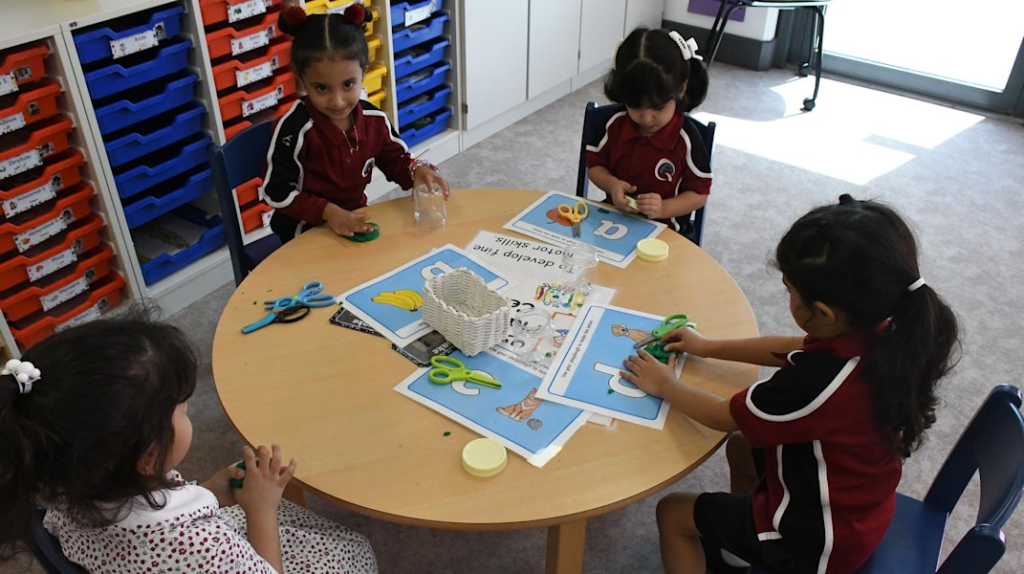
Qatar’s investment in advanced technology has revolutionized experiential learning. Virtual labs, simulations, augmented reality, and interactive platforms allow students to engage with complex scenarios in safe and controlled environments.
These technological tools enhance understanding, encourage experimentation, and allow students to practice decision-making in realistic contexts. By integrating technology into experiential learning, Qatar ensures that its future professionals are adept at using digital tools and prepared for the high-tech demands of modern industries.
The Role of Mentorship and Collaboration
Mentorship is a cornerstone of experiential learning in Qatar. Experienced professionals guide students through real-world challenges, providing insights, feedback, and encouragement. This relationship fosters confidence, resilience, and professional growth.
Collaborative projects, on the other hand, teach students the importance of teamwork, negotiation, and shared responsibility. These experiences mirror professional environments, making the transition from education to employment smoother and more effective.
Shaping Qatar’s Vision 2030
Experiential learning directly contributes to Qatar’s National Vision 2030, which emphasizes human development, knowledge-based economy, and sustainable growth. By prioritizing hands-on, practical education, Qatar is developing a workforce that is innovative, globally competitive, and socially responsible.
As experiential learning becomes more embedded in education systems and professional development programs, the nation is setting the stage for sustained economic growth, diversification, and social progress. Qatar’s commitment to nurturing skilled, adaptable, and forward-thinking professionals ensures that its future is in capable hands.
Conclusion
Experiential learning is reshaping the professional landscape of Qatar, offering young individuals opportunities to develop skills, creativity, and a global perspective that traditional education often misses. By focusing on practical engagement, innovation, mentorship, and social responsibility, Qatar is preparing a generation of professionals ready to meet the demands of the 21st century.
The nation’s dedication to fostering experiential learning ensures that its youth are not only capable professionals but also thoughtful leaders who will drive Qatar’s continued growth, prosperity, and global prominence. Through these immersive educational experiences, Qatar is not just educating its youth it is empowering them to lead, innovate, and shape the future with confidence and vision
Do follow Gulf Magazine on Instagram.
Also Read – Kuwait National Strategy: Boosting Literacy and Digital Skills for All

