

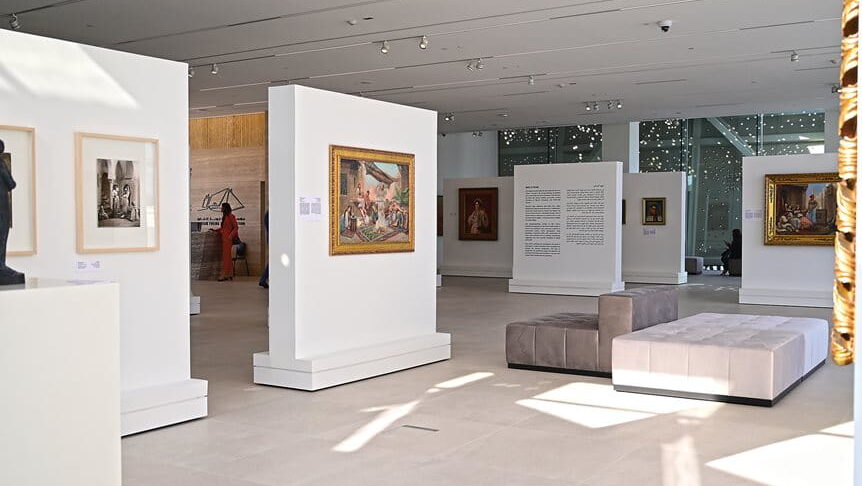
In the last few years, the Gulf region has become a surprising but strong player in the world of art. With impressive art galleries, high-profile exhibitions, and international partnerships, Gulf countries like the UAE, Qatar, and Saudi Arabia are now changing how the global art market looks and feels.
Once known mainly for oil wealth and modern skyscrapers, these countries are now putting themselves on the map as cultural leaders. Today, art collectors, curators, and even casual fans are turning their eyes toward the Gulf, where creativity, tradition, and modern design come together in bold and beautiful ways.
The Rise of Art Galleries in the Gulf
Dubai, Abu Dhabi, Doha, and Riyadh are just a few cities that have built world-class art spaces in the past decade. These galleries are not only showcasing local talent but are also attracting famous international artists and collectors.
In Dubai, Alserkal Avenue has become one of the most important art districts in the region. What started as a small warehouse area has now turned into a creative hub, filled with modern art galleries, studios, and performance spaces. Art Dubai, the city’s biggest annual art fair, brings artists and buyers from all over the world to the UAE.
Abu Dhabi also made headlines with the opening of the Louvre Abu Dhabi, the first museum outside France to carry the Louvre name. This powerful partnership between the UAE and France showed the world that Gulf countries were serious about culture. Since then, the museum has displayed priceless works by artists like Leonardo da Vinci, Van Gogh, and Picasso, drawing millions of visitors.
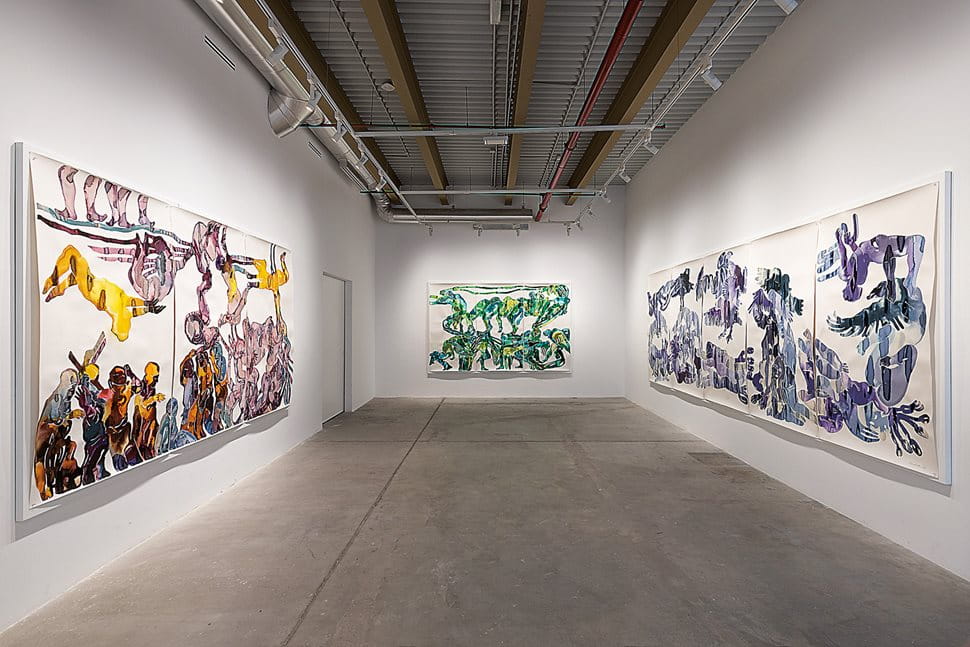
Qatar’s Mathaf: Arab Museum of Modern Art and the National Museum of Qatar have also added to the region’s cultural impact. Meanwhile, Saudi Arabia is investing heavily in its own art scene through new galleries, art festivals, and support for local artists.
A Voice for Local and Regional Artists
One of the biggest effects of this rise in Gulf art galleries is the spotlight it puts on artists from the Middle East and North Africa. For many years, these artists had a hard time getting international attention. But now, with the support of Gulf institutions, their voices are being heard around the world.
Artists who use traditional techniques, such as Arabic calligraphy or Bedouin weaving, are finding new ways to mix the past with the present. Others focus on themes like identity, gender, politics, and religion—topics that are both deeply personal and globally important.
The work of these artists helps to break down stereotypes and shows that the Gulf region has much more to offer than oil and luxury shopping. It also invites the world to see this part of the globe in a different, more complex light.
Building Global Connections
Gulf galleries are not just local spaces—they are building strong global networks. Many are partnering with museums in Europe, Asia, and the Americas to exchange artworks and host traveling exhibitions. These partnerships help Gulf-based artists reach international audiences and also bring global talent to the region.
Events like the Sharjah Biennial or Jeddah’s 21,39 art festival are drawing international curators and critics, while fairs like Art Dubai are now on the must-visit list for global collectors.
These connections also support the education of young artists. Many Gulf galleries run workshops, mentorship programs, and artist residencies that bring in well-known artists from around the world. These efforts help Gulf-based artists grow their skills and build careers that go beyond borders.
The Role of Government and Private Investment
None of this would be possible without strong support from governments and private collectors. In the Gulf, leadership understands the power of art in shaping national identity and improving global reputation.
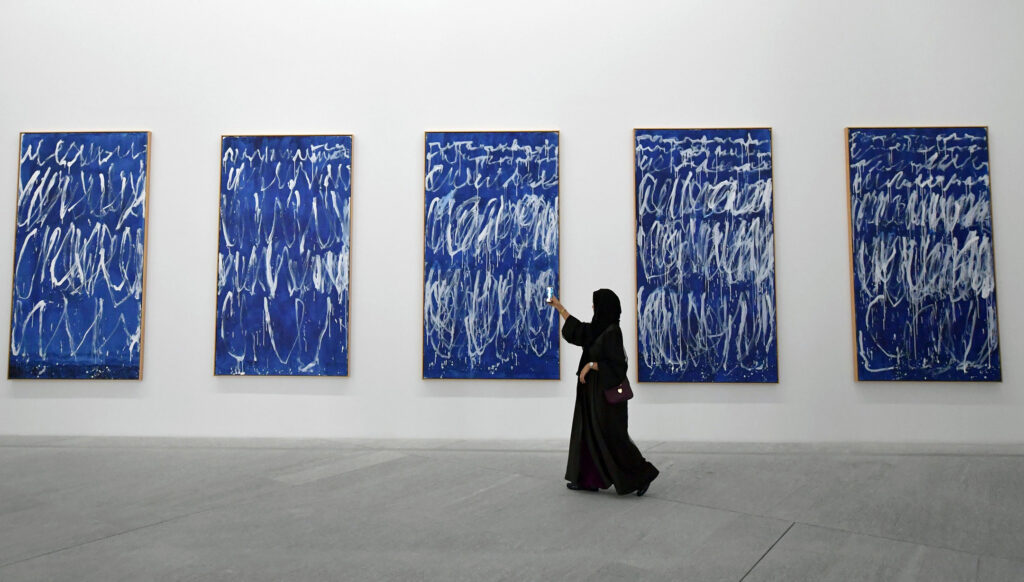
Large-scale investments in museums and cultural districts are not just about beauty—they are part of a bigger vision. Gulf countries are using art as a soft power tool to attract tourism, talent, and positive attention from around the world.
Private collectors are also playing a key role. Wealthy individuals in the region are investing heavily in art, not only as a financial asset but also as a way to support regional talent. Their collections are helping to build local museums and give Gulf artists a bigger platform.
Shaping the Future of Art
With its mix of traditional heritage and futuristic vision, the Gulf is offering something new and exciting to the international art world. Unlike older art markets, which often focus on Western styles and values, the Gulf offers a fresh perspective that mixes East and West.
Young artists, curators, and art lovers in the region are more connected than ever through social media and online galleries. This new generation is bold, experimental, and eager to tell their stories through painting, sculpture, digital art, and more.
As the Gulf continues to invest in art and culture, it’s likely that its influence on the international scene will only grow. Already, collectors and museums from around the world are taking note, adding Gulf artists to their collections, and following trends coming out of cities like Dubai and Doha.
A Lasting Impact
In just a short time, Gulf art galleries have made a big impression on the global stage. They have created space for local artists to shine, invited the world to see the region in new ways, and built strong cultural connections across continents.
What makes this growth even more powerful is that it is not just about showing art—it’s about sharing stories, connecting people, and shaping the future of creativity. The Gulf is not only watching the global art world evolve. It is helping to lead the way.
Also read: The Role of Arabic Language and Dialects in Gulf Media

