

Discover how Gulf governments are reshaping public education with digital learning, teacher reforms, and future-ready skills.Across the Gulf region, classrooms are changing in ways that go far beyond new buildings or updated textbooks. Governments are rethinking how children learn, how teachers teach, and how schools prepare students for a rapidly evolving world. Public education, once seen mainly as a state responsibility focused on access, is now viewed as a strategic investment in national development, innovation, and social stability.
From Saudi Arabia to the UAE, Qatar, Kuwait, Oman, and Bahrain, education reform has become a cornerstone of long-term economic visions. These reforms are human at their core. They aim to empower students with confidence, creativity, and critical thinking while ensuring teachers feel supported, respected, and professionally fulfilled.
Aligning Education With National Visions
One of the strongest drivers of education reform in the Gulf is alignment with national transformation strategies. Governments recognize that oil-dependent economies must diversify, and that diversification starts in the classroom.
Public education systems are being redesigned to support knowledge-based economies, entrepreneurship, and advanced industries. Curricula are now closely linked to future labor market needs, ensuring students gain skills that are relevant not just today, but decades ahead. This shift reflects a clear understanding: economic resilience depends on human capital.
By embedding education reform into broader national visions, Gulf governments are ensuring continuity, funding, and political commitment over the long term.
Curriculum Reform for a Skills-Driven Future
Curriculum modernization sits at the heart of Gulf public education reform. Traditional rote learning is gradually giving way to approaches that prioritize understanding, application, and creativity.
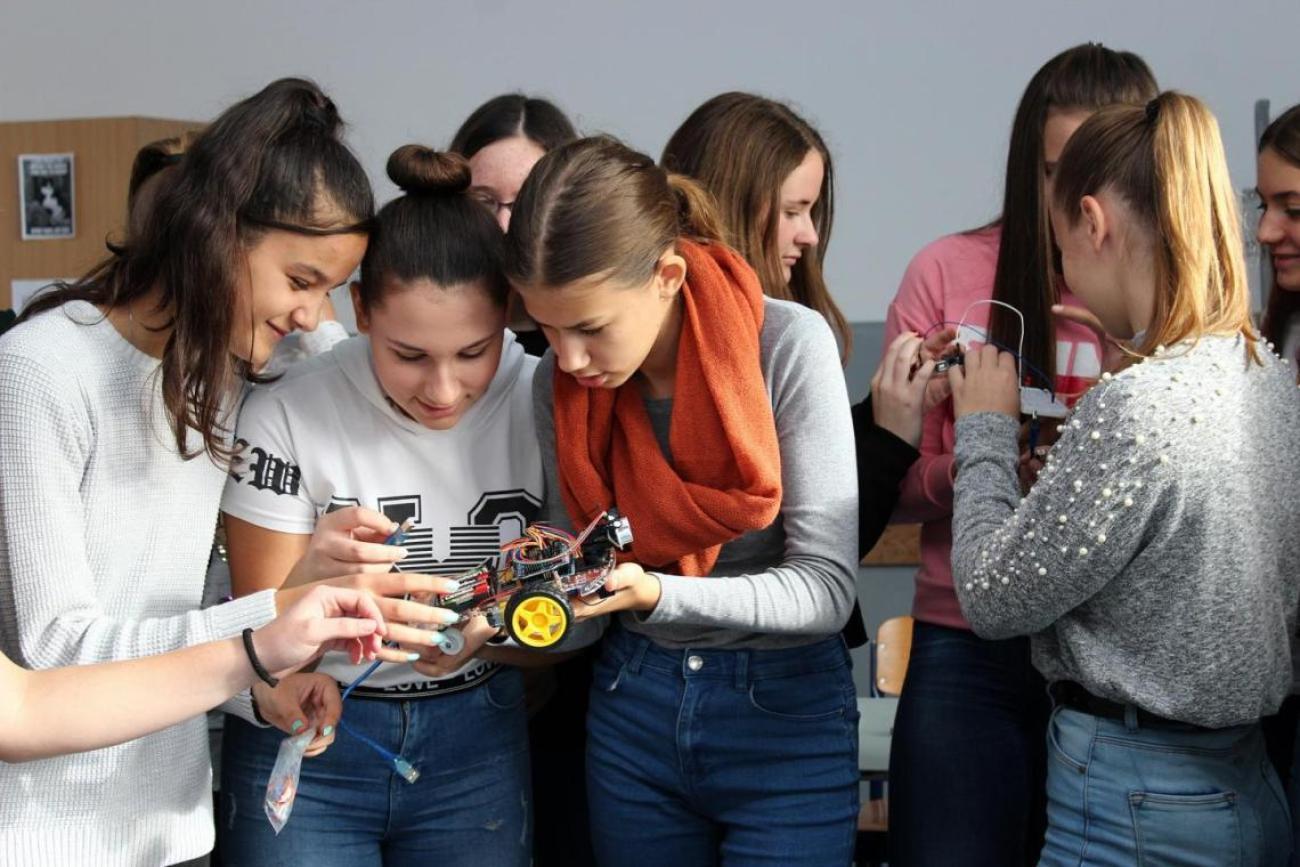
Subjects such as coding, robotics, environmental studies, and financial literacy are being introduced at earlier stages. Science, technology, engineering, and mathematics receive strong emphasis, but not at the expense of humanities, ethics, and cultural studies. The goal is balance: producing graduates who are technically capable and socially aware.
Project-based learning, interdisciplinary lessons, and real-world problem solving are increasingly common. Students are encouraged to ask questions, collaborate, and express ideas confidently, helping them develop lifelong learning habits.
Digital Transformation in Public Schools
Technology has become a powerful enabler of education reform across the Gulf. Governments are investing heavily in digital infrastructure, ensuring public schools have access to high-speed internet, smart boards, and learning management systems.
Digital platforms now support personalized learning, allowing students to progress at their own pace. Online resources supplement classroom teaching, while virtual labs and simulations enhance understanding of complex concepts. In many countries, digital tools also improve communication between schools, parents, and education authorities.
Importantly, digital transformation is not just about devices. It includes training teachers to use technology effectively and responsibly, ensuring that innovation enhances learning rather than distracting from it.
Empowering and Upskilling Teachers
No education reform can succeed without teachers, and Gulf governments increasingly recognize this truth. Teacher development has become a major focus of public education modernization.
Professional training programs now emphasize modern teaching methods, student engagement, and digital literacy. Teachers are encouraged to become facilitators of learning rather than sole providers of information. In several Gulf countries, career progression pathways and performance-based incentives have been introduced to attract and retain high-quality educators.
There is also growing attention to teacher wellbeing. Support systems, mentorship programs, and reduced administrative burdens aim to create a more positive and sustainable teaching environment.
Early Childhood Education Takes Center Stage
Another major shift in Gulf education policy is the growing emphasis on early childhood education. Governments understand that learning foundations formed in the early years have a lasting impact on academic success and personal development.
Public investment in kindergartens and early learning centers has increased significantly. Curricula for young learners focus on social skills, emotional development, language acquisition, and curiosity-driven exploration rather than formal testing.
By strengthening early education, Gulf countries are addressing learning gaps before they widen, promoting equality and long-term educational outcomes.
Inclusive Education and Student Wellbeing
Modern public education systems in the Gulf are becoming more inclusive and student-centered. Policies increasingly support students with special educational needs, learning differences, and diverse cultural backgrounds.
Schools are adopting individualized education plans, accessible learning materials, and specialized support staff. At the same time, student wellbeing has emerged as a priority. Mental health awareness, counseling services, and social-emotional learning programs are being integrated into school life.
This holistic approach reflects a broader understanding of success. Academic achievement matters, but so do confidence, resilience, and a sense of belonging.
Strengthening Arabic Language and Cultural Identity
While embracing global standards and international best practices, Gulf governments remain committed to preserving cultural identity. Education reforms place strong emphasis on Arabic language proficiency, national history, and civic values.
Modernized Arabic curricula aim to make the language engaging, relevant, and practical, ensuring students can use it confidently in professional and creative contexts. Cultural education fosters pride, continuity, and social cohesion, helping young people navigate globalization without losing their roots.
This balance between global readiness and local identity is a defining feature of Gulf education reform.
Public-Private Partnerships in Education
Collaboration with the private sector has become an important strategy for modernizing public education. Governments partner with education technology companies, curriculum specialists, and training providers to accelerate innovation.
These partnerships bring global expertise into public systems while maintaining government oversight and equity. They also help scale successful pilot programs more quickly, ensuring that reform benefits students across regions and income levels.
Public-private collaboration reflects a pragmatic approach, combining public responsibility with private innovation.
Assessment Reform and Rethinking Exams
Assessment methods across the Gulf are also evolving. Traditional high-stakes exams are being complemented by continuous assessment, project work, and competency-based evaluation.
This shift reduces pressure on students and provides a more accurate picture of learning progress. Teachers can identify strengths and challenges earlier, offering targeted support when needed.
By focusing on skills and understanding rather than memorization, assessment reform aligns evaluation with modern educational goals.
Preparing Students for Lifelong Learning
Perhaps the most important outcome of Gulf public education reform is a renewed focus on lifelong learning. Governments recognize that future careers will require adaptability, continuous skill development, and openness to change.
Schools now emphasize critical thinking, communication, collaboration, and self-directed learning. Students are encouraged to see education not as a fixed phase of life, but as an ongoing journey.
This mindset prepares young people to thrive in uncertain and fast-changing environments, benefiting both individuals and societies.
Challenges and the Road Ahead
Despite significant progress, challenges remain. Ensuring consistent quality across regions, balancing rapid reform with system stability, and measuring long-term impact require ongoing attention.
Change at this scale takes time, patience, and collaboration. Governments, educators, parents, and students all play a role in shaping outcomes. Transparency, feedback, and data-driven decision-making will be essential as reforms mature.
The willingness to adapt and learn from experience is itself a sign of progress.
Conclusion: Education as a Promise to the Future
The modernization of public education in the Gulf is more than a policy initiative. It is a promise to future generations. By investing in skills, creativity, inclusion, and wellbeing, Gulf governments are laying the foundation for resilient economies and cohesive societies.
These reforms reflect confidence in people as the region’s most valuable resource. As classrooms evolve and opportunities expand, education is becoming a powerful engine of transformation across the Gulf, shaping not just better students, but stronger nations.
Do follow Gulf Magazine on Instagram.
Also Read – Education Reforms Transform Workforce Readiness in the Gulf

