


In the heart of one of the world’s most arid regions, a quiet agricultural revolution is taking place. Across Saudi Arabia, farms are rising upward instead of spreading outward, and crops are thriving without soil or heavy water use. Hydroponics and vertical farming, once considered niche or experimental, are now becoming powerful symbols of innovation, resilience, and hope in the Kingdom’s food landscape.
For decades, Saudi Arabia has faced the challenge of producing fresh food in a land defined by desert, extreme heat, and limited freshwater resources. Traditional farming methods demanded vast amounts of water and energy, making local food production costly and environmentally demanding. Today, however, technology-driven farming is offering a new story—one rooted in sustainability, efficiency, and human ingenuity.
A New Way of Growing Food in the Desert
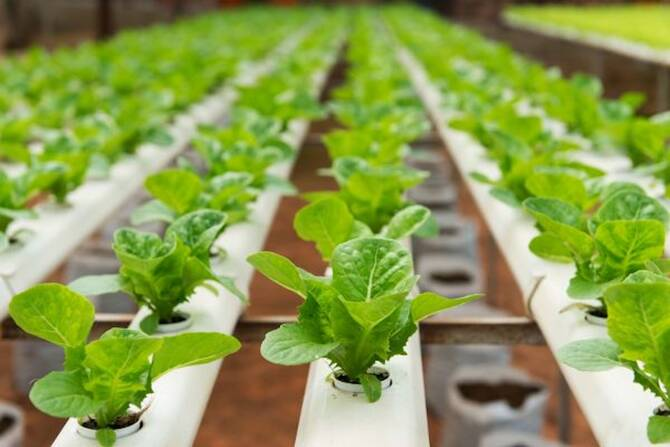
Hydroponics is a method of growing plants without soil, using nutrient-rich water to deliver everything crops need to grow. Vertical farming takes this concept further by stacking crops in layers, often inside climate-controlled facilities. Together, these methods are reshaping how food is grown in Saudi Arabia.
In cities, industrial zones, and even remote areas, these farms are producing leafy greens, herbs, strawberries, and other high-value crops year-round. Instead of battling the desert climate, farmers are now working with controlled environments that allow precision over light, temperature, humidity, and nutrients.
What makes this shift remarkable is not just the technology itself, but how quickly it has been embraced by entrepreneurs, investors, policymakers, and everyday consumers who want fresher, locally grown food.
Why Saudi Arabia Is Embracing Smart Farming
The growing popularity of hydroponics and vertical farming in Saudi Arabia is driven by a mix of necessity and vision. Water scarcity remains one of the country’s most pressing challenges. These modern farming systems use up to 90 percent less water than traditional agriculture, making them a natural fit for a water-conscious future.
Equally important is food security. By producing food locally and consistently, Saudi Arabia reduces its reliance on imports and global supply chains that can be disrupted by geopolitical tensions, climate events, or rising transportation costs.
There is also a strong human dimension to this transformation. Young Saudis are increasingly drawn to agriculture as a field of innovation rather than hardship. Clean, high-tech farms appeal to a new generation that wants meaningful work aligned with sustainability and national progress.
The Role of Vision and Policy Support
Saudi Arabia’s long-term development strategies have played a key role in accelerating interest in advanced agriculture. National initiatives focused on sustainability, economic diversification, and innovation have created fertile ground for hydroponic and vertical farming ventures.
Supportive policies, funding opportunities, and research partnerships have encouraged startups and established companies alike to invest in these systems. Universities and research centres are also contributing by developing locally adapted technologies that perform well under Saudi conditions.
This ecosystem of support has helped transform hydroponics and vertical farming from experimental ideas into viable commercial operations with real impact.
Inside a Modern Saudi Vertical Farm
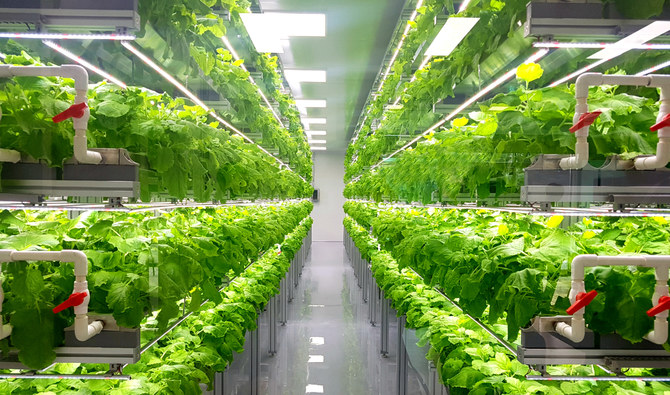
Stepping into a vertical farm in Saudi Arabia feels more like entering a technology lab than a traditional farm. Rows of plants grow under energy-efficient LED lights, their roots suspended in flowing nutrient solutions. Sensors monitor every detail, from water quality to plant growth rates, ensuring optimal conditions at all times.
These farms often operate close to urban centres, reducing transportation time and preserving freshness. Lettuce harvested in the morning can be on store shelves or restaurant plates within hours, delivering superior taste and nutritional value.
For workers, the environment is cleaner, safer, and more predictable than outdoor farming. This shift is changing perceptions of agriculture, turning it into a respected, modern profession rather than a physically demanding last resort.
Hydroponics and the Human Connection to Food
Beyond efficiency and sustainability, hydroponic farming is reconnecting people with their food in meaningful ways. Consumers are becoming more aware of how their produce is grown and where it comes from. Locally grown greens inspire trust and pride, especially when they are produced using methods that respect scarce natural resources.
Families visiting urban farms or seeing them integrated into communities often express surprise and excitement. For many children, these farms provide their first real exposure to agriculture, sparking curiosity about science, nutrition, and environmental responsibility.
Restaurants and hotels are also embracing hydroponically grown produce, valuing its consistency, quality, and story. Chefs appreciate knowing exactly how their ingredients are grown and being able to showcase local innovation on their menus.
Economic Opportunities and Job Creation
The rise of hydroponics and vertical farming is opening new economic pathways in Saudi Arabia. These farms require skilled professionals in areas such as engineering, data analysis, plant science, and facility management. As a result, they are creating jobs that blend agriculture with technology.
Small-scale entrepreneurs are also finding opportunities in modular hydroponic systems that can be installed in warehouses, rooftops, or unused buildings. These ventures often start modestly but scale quickly as demand grows.
By supporting local production, the country is keeping more value within its economy while nurturing a culture of innovation and self-reliance.
Sustainability at the Core
Environmental responsibility lies at the heart of hydroponic and vertical farming. In addition to conserving water, these systems reduce the need for pesticides and herbicides, resulting in cleaner produce and less environmental harm.
Because crops are grown in controlled environments, land degradation and soil erosion are no longer concerns. This is especially important in a country where arable land is limited and ecosystems are fragile.
Many farms are also integrating renewable energy solutions, such as solar power, further reducing their environmental footprint and aligning with broader sustainability goals.
Challenges on the Path Forward
Despite their promise, hydroponics and vertical farming are not without challenges. High initial investment costs can be a barrier, particularly for small farmers transitioning from traditional methods. Energy consumption, especially for lighting and cooling, remains a concern in a hot climate.
There is also a learning curve. Successful hydroponic farming requires technical knowledge and careful management. Training and education are essential to ensure long-term success and prevent costly mistakes.
However, as technology advances and local expertise grows, these challenges are gradually being addressed. Costs are declining, systems are becoming more efficient, and shared knowledge is strengthening the industry as a whole.
The Future of Farming in Saudi Arabia
Looking ahead, hydroponics and vertical farming are expected to play an even larger role in Saudi Arabia’s food system. While they may not replace traditional agriculture entirely, they offer a powerful complement that enhances resilience and sustainability.
Innovations such as artificial intelligence, automation, and advanced plant genetics are likely to further boost productivity and reduce costs. As these technologies mature, locally grown produce could become more accessible to households across the country.
The true significance of this movement goes beyond technology. It represents a shift in mindset—from adapting to limitations to designing solutions that turn challenges into opportunities.
A Story of Innovation and Hope
At its core, the rise of hydroponics and vertical farming in Saudi Arabia is a human story. It is about farmers willing to learn new skills, entrepreneurs taking bold risks, scientists pushing boundaries, and consumers choosing a more sustainable future.
In a land where farming once seemed improbable, fresh green leaves now grow upward toward the light, nourished by innovation and determination. This transformation is not just changing how food is grown, but how people imagine what is possible in the desert.
As Saudi Arabia continues its journey toward sustainability and food security, hydroponics and vertical farming stand as powerful reminders that even in the harshest environments, growth is always possible when vision meets action.
Do follow Gulf Magazine on Instagram.
Also Read – Dusit Thani College Introduces Fast Track Hospitality Training in Saudi Arabia