

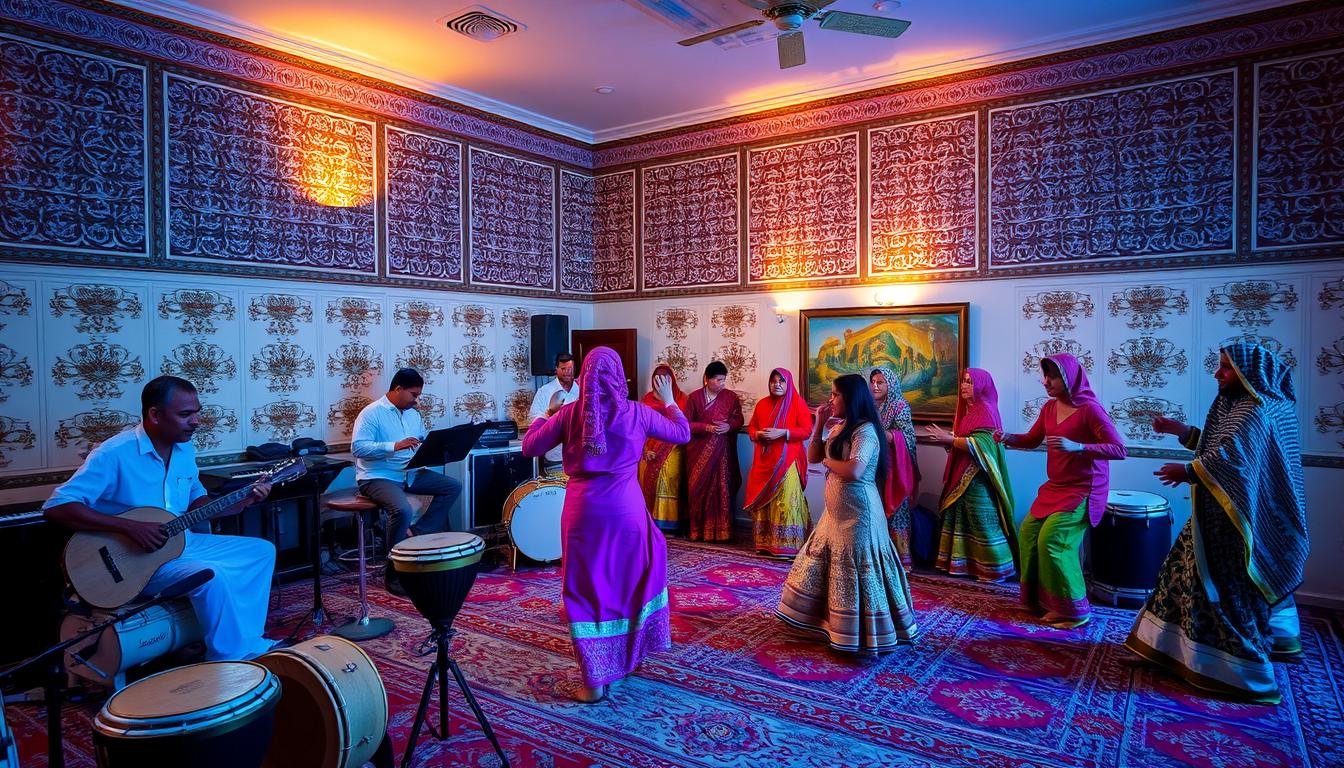
Education is never just about books, exams, or grades. It is about shaping children into creative, confident, and compassionate individuals who can contribute meaningfully to society. In Oman, schools have long been recognized as spaces that nurture both knowledge and values. Yet one area that has gained increasing recognition is the role of arts and music. These subjects are not only about entertainment or hobbies; they are powerful tools of learning, self-expression, and cultural preservation. The inclusion of arts and music in Omani schools carries a special significance, touching students’ hearts and minds in ways that traditional academics alone cannot.
Arts as a Window to Creativity
Arts offer children the chance to explore creativity beyond the limits of textbooks. Drawing, painting, and sculpting allow students to visualize ideas and emotions that words often fail to capture. In Omani schools, art education introduces students to patterns, colors, and designs that reflect both modern imagination and the rich cultural heritage of Oman. When a child sketches the mountains of Muscat or designs motifs inspired by traditional crafts, they are not just creating art they are connecting deeply with their identity and roots.
Through arts, students also learn problem-solving. When they face a blank canvas, they are required to make decisions, experiment, and embrace mistakes as part of the creative process. This way, art builds resilience and flexibility skills that extend far beyond the classroom.
Music as a Universal Language
Music speaks a language that requires no translation. In Omani schools, music education helps children appreciate rhythm, melody, and harmony. But its role is more profound than just learning to sing or play an instrument. Music enhances memory, focus, and emotional intelligence. It brings students together, teaching them teamwork when they perform in a choir or an ensemble.
Oman has a rich musical tradition, from the rhythmic beats of the tabla to the soulful tunes of the oud. By learning and performing such music, students not only keep traditions alive but also develop pride in their cultural heritage. At the same time, exposure to global music expands their horizons, showing them that music is a shared language of humanity.
Building Confidence and Self-Expression
One of the biggest benefits of arts and music education is how it empowers students to express themselves. Many children may find it difficult to communicate their thoughts in words, but a drawing, a dance, or a song can become their voice. When schools encourage this form of self-expression, they nurture confident individuals who are not afraid to show who they are.
In Oman, where respect, modesty, and tradition form the core of society, giving children the chance to express themselves through creative mediums helps them balance cultural values with personal identity. A shy child may find courage on stage, while another may discover a hidden talent that shapes their career path in the future.
Emotional Well-Being and Stress Relief
The world of students today is filled with pressures academic competition, social challenges, and the constant presence of technology. Arts and music offer a safe escape, a way to channel emotions positively. Painting a picture or strumming a guitar can reduce stress and bring peace of mind.
In Omani schools, where education is becoming more competitive and future-focused, these creative outlets are more important than ever. They ensure that children grow not only academically but also emotionally balanced and mentally healthy.
Preserving Omani Culture Through Arts and Music
Oman’s heritage is one of the richest in the region, marked by poetry, traditional crafts, folk dances, and music that tell stories of generations. By integrating arts and music into schools, Oman ensures that these traditions are not forgotten. When students learn to play traditional instruments, paint motifs inspired by Omani patterns, or perform folk dances, they are keeping the nation’s cultural heartbeat alive.
This also strengthens national pride. A child who paints a fort from Nizwa or sings a folk song from Dhofar feels connected to their country in a deep and personal way. Through education, Oman is not just teaching children to love art it is teaching them to love their nation.
Enhancing Academic Performance
It may surprise many, but research worldwide shows that students who participate in arts and music often perform better academically. The skills developed in these subjects discipline, focus, creativity, and problem-solving spill over into math, science, and language learning. In Omani schools, encouraging arts and music may therefore indirectly raise the overall quality of education.
For instance, learning rhythms in music sharpens mathematical understanding, while analyzing artworks improves critical thinking and observation skills. These connections make students more versatile learners.
Encouraging Teamwork and Collaboration
Arts and music rarely exist in isolation. Choirs, theater plays, dance performances, and group art projects bring students together. They learn to share ideas, respect differences, and work as a team to create something beautiful. In Omani schools, this spirit of collaboration mirrors the values of unity and harmony that are central to the country’s culture.
When children collaborate on a performance, they also develop leadership skills. Some take the lead, others support, but all contribute equally. Such experiences prepare them for real-life challenges where teamwork is essential.
Inspiring Future Careers
Not every student who learns art or music will become a professional artist or musician. But many will discover skills that shape their future careers. Some may become designers, architects, performers, or educators. Others may use the creativity and confidence gained from these subjects in entirely different professions, such as business or technology.
In Oman, where the vision for the future emphasizes diversification beyond oil, creative industries are gaining importance. By nurturing young talent in arts and music today, schools are preparing the workforce of tomorrow to thrive in creative fields.
Arts and Music in Digital Education
Modern technology has transformed how students learn arts and music. In Omani schools, digital platforms allow students to experiment with design software, create digital art, or learn instruments through apps and online tutorials. Technology also enables collaborations across borders, connecting Omani students with young artists worldwide.
Yet, technology does not replace tradition; instead, it strengthens it. For example, a student might learn traditional Omani drumming through an online platform while also recording and sharing their performance globally. This blend of tradition and innovation makes art education more dynamic.
Parental and Community Support
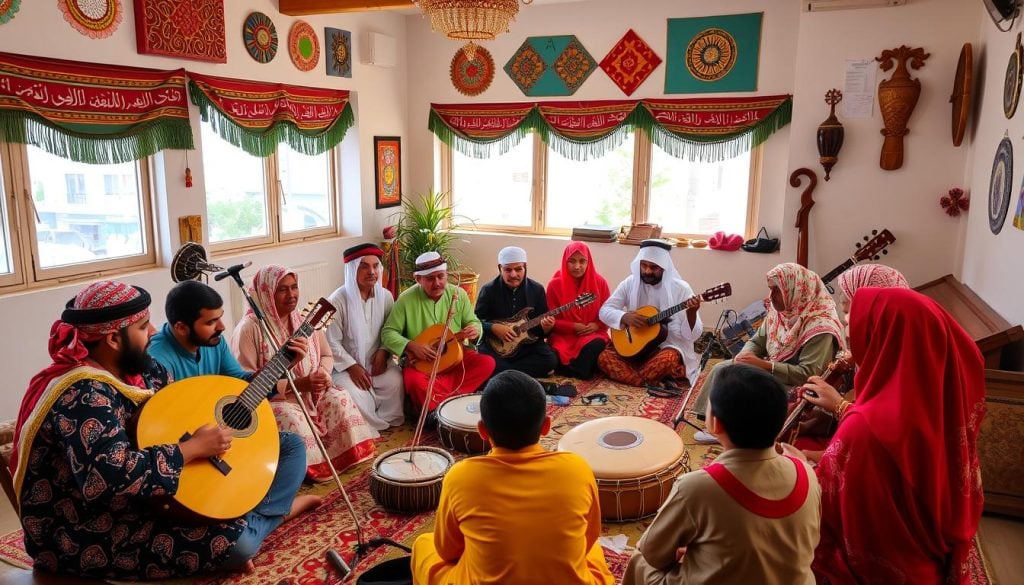
The success of arts and music in schools depends not only on teachers but also on parents and the wider community. In Oman, families value cultural traditions, and when parents encourage children to participate in music and art, it creates a supportive environment. Community events, cultural festivals, and school exhibitions become spaces where young talent is celebrated.
Such recognition boosts children’s motivation. When a child sees their painting displayed at a local exhibition or hears applause after a performance, it becomes a memory that fuels their confidence for years to come.
Challenges and Opportunities
Of course, integrating arts and music into Omani schools is not without challenges. There may be limitations in funding, trained teachers, or resources. Sometimes, parents or educators may focus too much on academic subjects, undervaluing creative education.
Yet these challenges are also opportunities. Investing in teacher training, building partnerships with artists and musicians, and incorporating creative activities into daily learning can make a huge difference. The growing recognition of the importance of arts and music in Oman shows that the nation is ready to embrace these opportunities.
A Holistic Vision for Education
Ultimately, the inclusion of arts and music in Omani schools reflects a broader vision of holistic education. It is about shaping well-rounded individuals who are not only knowledgeable but also imaginative, emotionally intelligent, and culturally grounded. Education becomes more than preparation for exams it becomes preparation for life.
In Oman, this vision aligns with the values of harmony, creativity, and respect for tradition. Schools that integrate arts and music are not just teaching skills; they are nurturing souls.
Conclusion
The importance of arts and music in Omani schools cannot be overstated. These subjects build creativity, confidence, teamwork, cultural pride, and emotional well-being, while also supporting academic achievement. More importantly, they prepare children to live meaningful, balanced lives in a rapidly changing world.
As Oman looks to the future, its commitment to integrating arts and music into education will ensure that generations of students grow up not only as learners but as creators, dreamers, and proud custodians of their heritage. By embracing the power of creativity, Omani schools are building a brighter, more beautiful tomorrow.
Do follow Gulf Magazine on Instagram.
Also Read – Teacher Training and Professional Development in Oman: Building a Strong Future

