

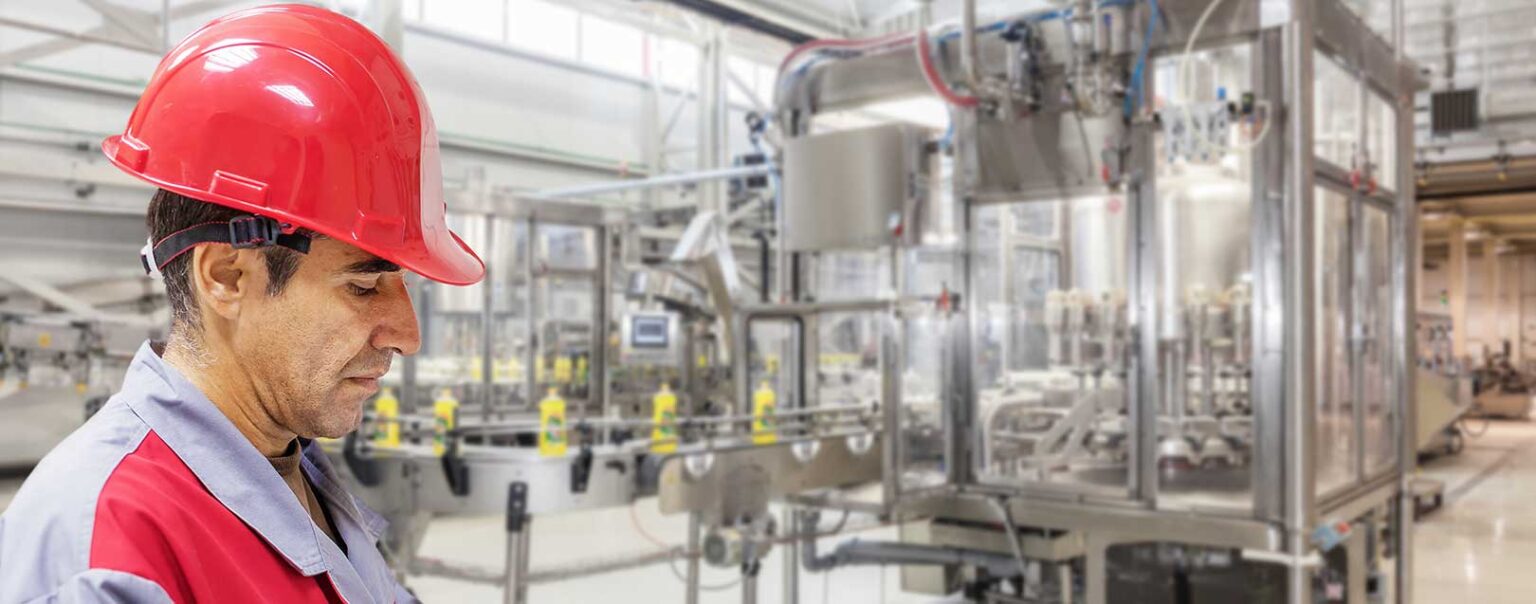
In a significant move to protect its domestic chemical industry, India has imposed anti-dumping duties on imports of Linear Alkyl Benzene (LAB) originating from Iran and Qatar. This decision aims to safeguard Indian manufacturers from unfair trade practices and ensure a level playing field in the market.
Understanding Anti-Dumping Measures
Anti-dumping duties are tariffs imposed on foreign imports that are priced below fair market value. Such measures are implemented to prevent foreign producers from undercutting local businesses, thereby promoting fair competition and protecting domestic industries from material injury.
What is Linear Alkyl Benzene?
Linear Alkyl Benzene is an organic compound primarily used as a key ingredient in the production of biodegradable detergents and other cleaning products. Its significance in the manufacturing sector makes it a vital commodity for both domestic consumption and industrial applications.
The Investigation Process
The Directorate General of Trade Remedies (DGTR) initiated an investigation into the import of LAB from Iran and Qatar following complaints from domestic producers, notably Nirma Limited and Tamilnadu Petroproducts Limited. These companies alleged that LAB was being imported at unfairly low prices, causing harm to the local industry.
The investigation covered the period from October 1, 2022, to September 30, 2023, and examined data from the preceding three years to assess trends and impacts. The findings revealed that:
- Dumping Practices: LAB from Iran and Qatar was being sold in India at prices lower than their normal value, constituting dumping.
- Market Impact: Such imports were undercutting domestic prices, leading to suppressed profitability and market share for Indian manufacturers.
- Injury to Domestic Industry: The influx of underpriced LAB caused material injury to the local industry, affecting production levels and financial health.
Imposition of Duties
Based on the DGTR’s recommendations, the Ministry of Finance imposed definitive anti-dumping duties on LAB imports from Iran and Qatar. The specific duties are as follows:
- Iran: A duty of $71.80 per metric tonne has been levied on LAB imports from Iran.
- Qatar: A duty of $46.49 per metric tonne has been imposed on LAB imports from Qatar, specifically targeting products from M/s SEEF Limited and exported by M/s Qatar Chemical and Petrochemical Marketing and Distribution Company (Muntajat) Q.J.S.C. For other producers and exporters from Qatar, a higher duty of $300.22 per metric tonne applies.
These duties are set for a period of five years, unless revoked or amended earlier, and are payable in Indian currency.
Rationale Behind the Decision
The imposition of these duties is a strategic move to:
- Protect Domestic Producers: By neutralizing unfair pricing, Indian LAB manufacturers can compete on equitable terms.
- Ensure Fair Market Practices: Such measures deter foreign producers from engaging in dumping, promoting healthy competition.
- Safeguard Employment: Protecting the domestic LAB industry helps in preserving jobs and encouraging further investments in the sector.
Industry Reactions
The domestic chemical industry has largely welcomed the government’s decision. Representatives from the sector believe that these duties will provide much-needed relief and enable local producers to regain lost market share. They also anticipate a more stable pricing environment, which could lead to increased investments and capacity expansion.
Potential Implications
While the duties aim to protect domestic interests, they may have broader implications:
- Import Costs: Businesses relying on imported LAB might face increased costs, potentially leading to higher prices for end consumers.
- Trade Relations: Such measures could strain trade relations with the exporting countries, possibly leading to retaliatory actions or disputes in international trade forums.
Conclusion
India’s imposition of anti-dumping duties on LAB imports from Iran and Qatar underscores its commitment to fair trade practices and the protection of its domestic industries. While the move is expected to bolster the local LAB manufacturing sector, stakeholders will need to navigate the potential challenges arising from increased import costs and international trade dynamics.
Petrofac Secures Multi-Million-Dollar Contract to Boost Bahrain’s Gas Production

