

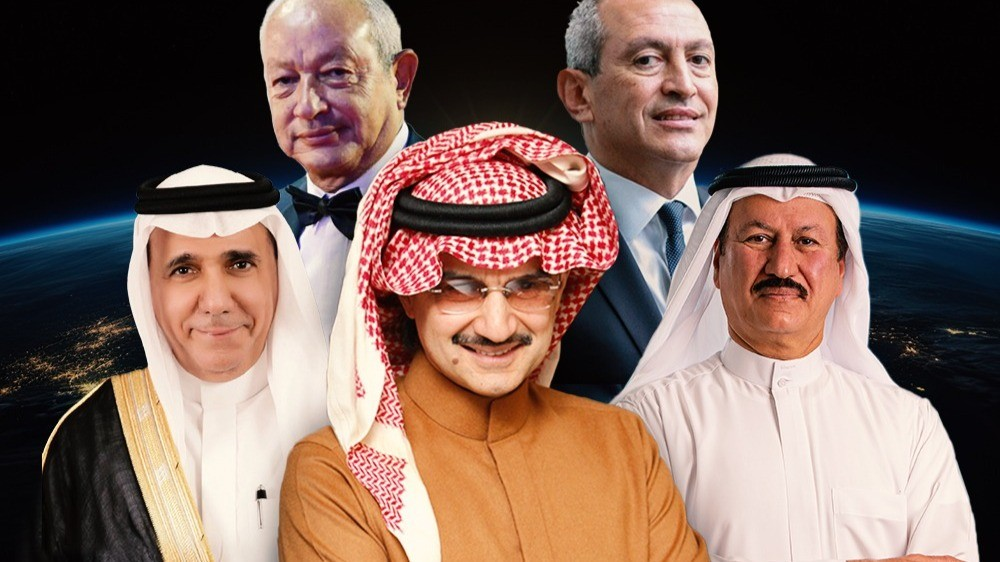
The world of billionaires often fascinates investors, analysts, and the general public alike. Arab billionaires, in particular, have managed to build vast fortunes across a diverse array of industries, showcasing remarkable foresight, strategy, and risk-taking ability. Understanding their investment portfolios not only reveals the sources of their wealth but also provides insights into how strategic decision-making and diversification can lead to lasting financial success.
This article delves deep into the portfolios of three prominent Arab billionaires, examining the sectors they favor, the patterns in their investment strategies, and how they balance risk with long-term growth.
Billionaire 1 – Diversification Meets Innovation
Overview of Wealth and Investment Philosophy
The first billionaire we examine has a reputation for blending traditional industries with cutting-edge innovation. Their wealth stems from a combination of real estate holdings, industrial ventures, and technology investments. Their investment philosophy emphasizes diversification across geographies and sectors, ensuring that downturns in one area are balanced by gains elsewhere.
Real Estate Holdings
A significant portion of their portfolio is in real estate, particularly in luxury developments across major cities in the Middle East and Europe. These properties not only generate rental income but also appreciate in value over time, providing a stable financial foundation. The billionaire is known to acquire iconic landmarks, turning them into high-yield commercial or residential hubs.
Technology and Startups
Unlike traditional investors, this billionaire actively invests in tech startups, particularly in fintech, artificial intelligence, and renewable energy. They often take minority stakes in promising ventures, focusing on innovation that aligns with long-term market trends. This approach allows them to gain exposure to high-growth industries without overconcentration in a single area.
Philanthropy and Social Investments
An integral part of their strategy includes social responsibility. Investments in education, healthcare, and sustainable development not only create positive social impact but also enhance their public image and build lasting networks that can influence future business opportunities.
Billionaire 2 – The Industrial Mogul
Wealth Origins and Strategic Vision
The second billionaire built their fortune primarily in industrial sectors such as oil, energy, and manufacturing. Known for a strategic yet cautious approach, they prioritize investments that offer long-term stability and incremental growth. Their philosophy revolves around creating vertically integrated businesses that control every stage of production, thereby maximizing profit margins.
Energy and Natural Resources
A significant portion of their portfolio is tied to oil and gas companies, as well as renewable energy projects. They have begun shifting focus toward clean energy solutions, anticipating global demand for sustainable energy sources. This dual approach ensures that their portfolio benefits from both current revenue streams and future trends.
Manufacturing and Infrastructure
Investments in manufacturing, logistics, and infrastructure projects across the GCC region form another cornerstone of their wealth. By controlling critical supply chains, the billionaire ensures consistent returns even during periods of global economic uncertainty. These ventures also create employment opportunities, reinforcing their influence and reputation in the region.
Strategic Partnerships
This billionaire actively seeks strategic alliances with international corporations. By leveraging partnerships, they gain access to advanced technologies, global markets, and additional funding, which further strengthens their industrial empire.
Billionaire 3 – The Financial Visionary
Banking and Financial Services
The third billionaire is widely recognized as a financial visionary. Their fortune is primarily built on banking, investment management, and financial services. They focus on high-yield investments, mergers, and acquisitions, leveraging their expertise to identify undervalued opportunities and maximize returns.
Venture Capital and Private Equity
This investor has significant stakes in venture capital and private equity funds. By funding emerging businesses and taking active roles in their development, they not only earn substantial profits but also shape the growth trajectory of promising companies. Their keen eye for potential enables them to invest early in enterprises that become global leaders.
International Investments
Diversification extends globally for this billionaire, with investments spanning North America, Europe, and Asia. They maintain a balance between high-risk, high-reward opportunities and stable, income-generating assets, reflecting a sophisticated understanding of global market dynamics.
Philanthropy as Strategic Influence
Like the first billionaire, philanthropic initiatives play a key role in their portfolio. By investing in educational and cultural programs, they foster goodwill, create future talent pipelines, and open doors for potential business ventures, illustrating how philanthropy can intertwine with strategic financial planning.

Common Threads in Arab Billionaires’ Portfolios
Despite their differences, these billionaires share several common strategies:
Diversification Across Sectors
Each billionaire maintains a balance across industries, from traditional sectors like real estate and energy to emerging fields such as technology and finance. This reduces risk and positions their portfolios for sustained growth.
Global Reach
All three demonstrate an understanding that local markets alone cannot sustain their ambitions. International investments help mitigate regional economic fluctuations and provide access to innovation and new revenue streams.
Strategic Philanthropy
Social responsibility and philanthropy are not just ethical considerations but strategic tools that enhance influence, reputation, and business networks.
Risk Management
Risk management is a core principle. By balancing high-risk ventures with stable assets, these billionaires maintain liquidity and long-term security while still capitalizing on market opportunities.
Lessons for Aspiring Investors
Studying these portfolios offers valuable lessons for anyone looking to build wealth:
Embrace Diversification
Diversification is critical. Spreading investments across industries, geographies, and asset classes reduces vulnerability to market volatility.
Focus on Innovation
Investing in emerging industries or disruptive technologies can yield substantial returns. Early-stage investments in growth sectors allow investors to capitalize on future trends.
Integrate Philanthropy Strategically
Philanthropy can extend beyond goodwill it can enhance networks, reputation, and even market opportunities, creating a holistic approach to wealth management.
Balance Risk and Stability
Maintaining a mix of high-risk and low-risk investments ensures resilience during market downturns and sustained growth over time.
Conclusion
The investment portfolios of Arab billionaires reveal a masterclass in strategic wealth management. Their approaches balance tradition with innovation, local influence with global reach, and financial gain with social impact. By understanding how they structure their investments, aspiring investors can gain insights into diversification, risk management, and long-term planning.
The stories of these three billionaires show that wealth is not just about accumulation it’s about foresight, strategy, and the ability to adapt to changing markets. Their portfolios provide a roadmap for building lasting financial legacies while contributing meaningfully to society.
Do follow Gulf Magazine on Instagram.
Also Read – Gulf Tycoons See Wealth Decline Despite Booming Oil Markets

