

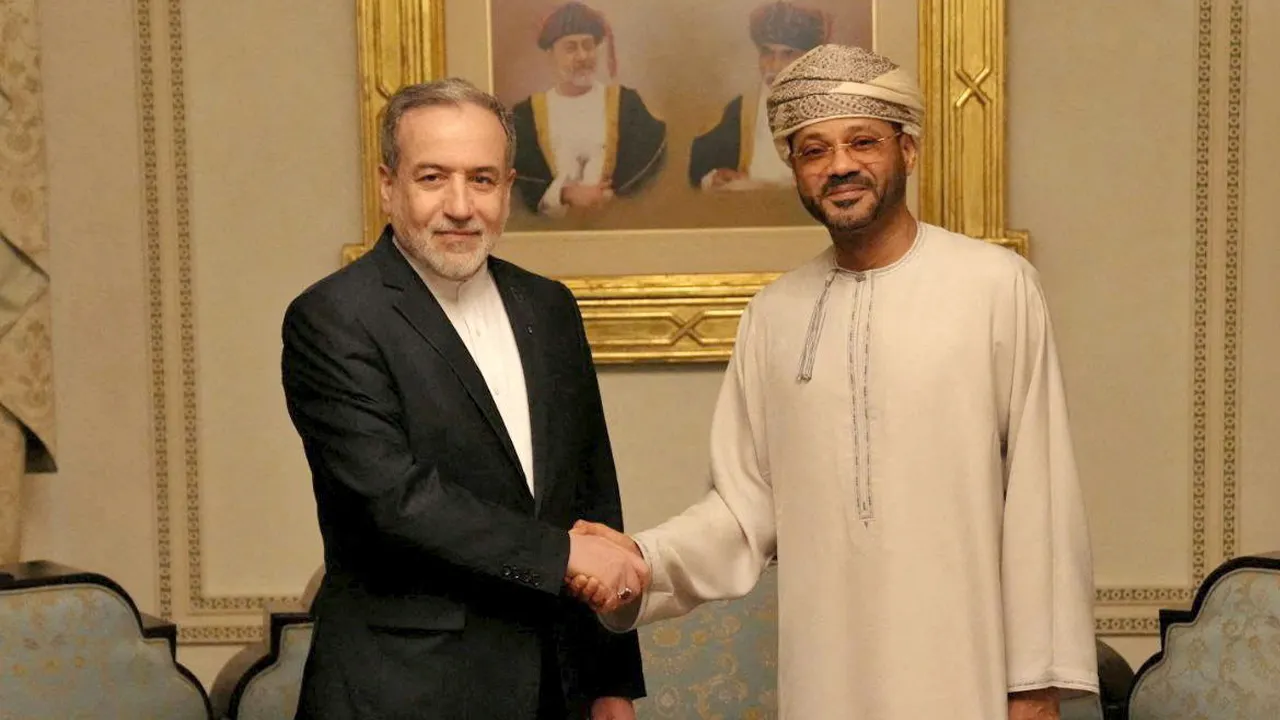
Iran’s top security official has arrived in Oman at a time when nuclear negotiations with the United States remain stalled. The visit highlights Tehran’s continued efforts to explore diplomatic avenues despite mounting international pressure and complex geopolitical dynamics. Analysts suggest that Oman, known for its neutral and discreet diplomacy, may serve as a crucial intermediary in easing tensions and reopening channels of communication between the two nations.
The talks between Iran and the United States, aimed at reviving the 2015 nuclear deal, have faced repeated setbacks. Differences over sanctions, uranium enrichment, and inspection protocols have prevented a breakthrough, leaving both sides at an impasse. In this context, Iran’s engagement with Oman signals a strategic approach to keep dialogue alive without escalating tensions further.
Oman’s Role as a Neutral Mediator
Oman has a long-standing reputation as a behind-the-scenes facilitator in Middle Eastern diplomacy. Its neutral stance allows it to host confidential discussions and shuttle diplomacy between countries with strained relations. Tehran’s decision to send its top security official to Muscat underscores the significance of Oman’s influence and the hope that quiet diplomacy can lead to tangible progress.
Officials from Oman have previously played pivotal roles in secret discussions between the United States and Iran. By providing a discreet environment for dialogue, Oman enables both parties to explore potential compromises away from public scrutiny and media pressures. This current visit is likely aimed at assessing diplomatic options and exploring possible pathways for resuming stalled negotiations.
Security Challenges and Regional Implications
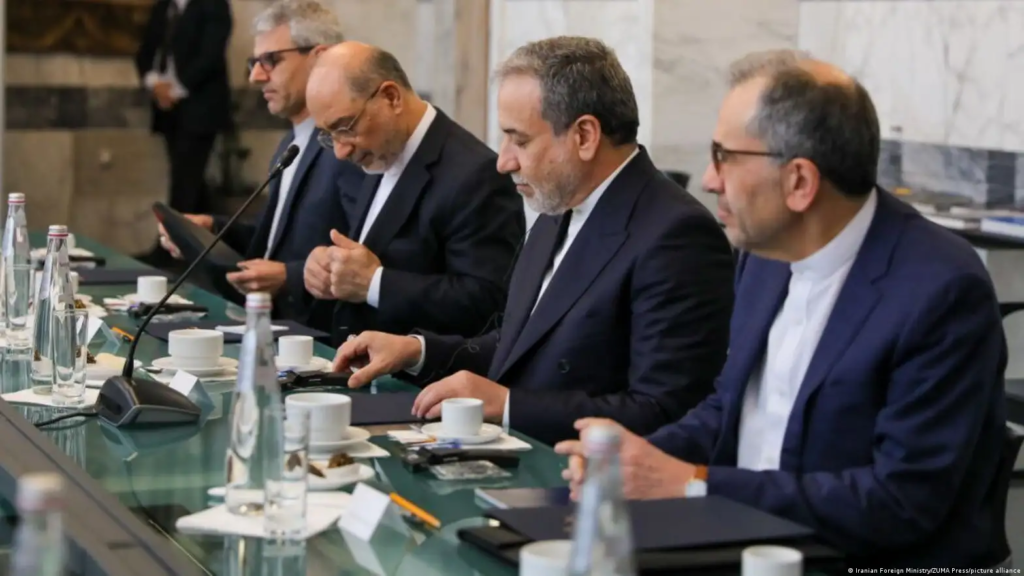
Iran’s nuclear ambitions have long been a source of concern for the international community, prompting debates over security, regional stability, and non-proliferation. The presence of Iran’s top security official in Oman also highlights Tehran’s focus on safeguarding its national interests while navigating a highly volatile geopolitical environment.
For neighboring countries and global powers, the outcome of these discussions carries significant implications. A successful diplomatic engagement could ease tensions in the Gulf, reduce the risk of escalation, and foster a more cooperative regional environment. Conversely, continued deadlock may prompt countries to recalibrate their security strategies and international alliances, with far-reaching consequences for peace and stability in the region.
The Human Element Behind Diplomacy
Beyond political strategies and international headlines, this diplomatic effort underscores the human dimension of negotiations. Officials navigating these discussions face immense pressure to balance national security, global expectations, and the aspirations of their populations. The visit to Oman is not merely a political maneuver but also a reflection of the painstaking effort required to bridge divides and find common ground.
Engaging in dialogue, even amid stalled negotiations, demonstrates a commitment to peaceful solutions. It reflects a recognition that complex international disputes cannot be resolved through force alone and that patience, careful negotiation, and mutual understanding are essential components of successful diplomacy.
The Path Ahead for Iran-US Talks

While the current stalemate underscores the challenges ahead, Iran’s engagement with Oman offers a glimmer of hope for renewed talks. Both sides have expressed the importance of diplomacy, even if progress has been slower than expected. Observers note that the involvement of neutral intermediaries like Oman could help overcome trust deficits and provide a platform for innovative solutions that satisfy the concerns of all parties.
The coming weeks will be critical in determining whether these quiet diplomatic channels can lead to tangible outcomes. Success would not only impact nuclear policy but also signal a broader opportunity for constructive engagement in the Middle East. For Iran, the United States, and their international partners, the focus will remain on dialogue, compromise, and the shared goal of regional and global security.
Conclusion: Diplomacy in Motion
Iran’s top security official’s visit to Oman represents more than a simple diplomatic trip. It reflects a strategic, patient, and human-centered approach to international relations. While the road to resolving the nuclear stalemate remains uncertain, such engagements highlight the enduring power of dialogue, the importance of neutral mediation, and the potential for diplomacy to achieve meaningful progress.
In a world often dominated by headlines of conflict and tension, this visit serves as a reminder that persistent, patient diplomacy can keep the door open for hope, understanding, and peaceful resolution.
Do Follow Gulf Magazine on Instagram
Read More:- Over 4,000 IS Detainees Relocated in Bold US-Led Operation

