

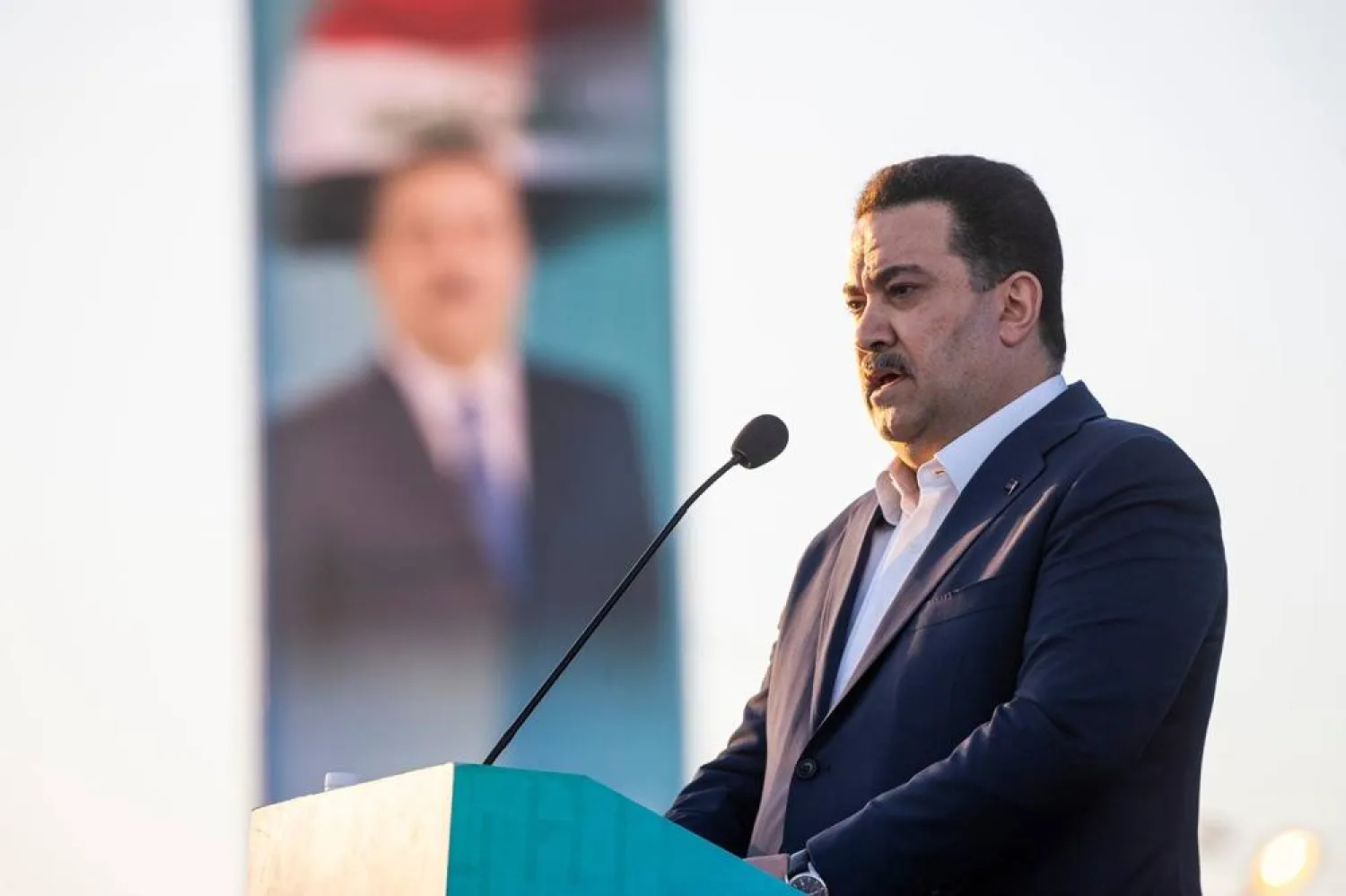
Iraq is facing a critical political moment as discussions intensify over whether Prime Minister Mohammed Shia’ Al Sudani’s term should be extended. With the country mired in a prolonged political deadlock, leaders are exploring all options to ensure stability and prevent a governance vacuum. Extending Sudani’s tenure has emerged as a potential solution to maintain continuity while negotiations continue on forming a more cohesive government.
The proposal is seen by some as a pragmatic step to avoid further unrest. Iraq has experienced months of political uncertainty, with repeated delays in decision-making affecting both domestic policies and foreign relations. Many citizens and political analysts alike view the extension as a necessary measure to stabilize the nation during a delicate period.
Understanding the Political Deadlock
The deadlock stems from ongoing disagreements among Iraq’s key political factions. Disputes over parliamentary seats, ministerial positions, and broader policy directions have left the government unable to move forward effectively. In recent months, these divisions have slowed down critical legislation and stalled major infrastructure and social programs.
By potentially extending Sudani’s term, Iraqian lawmakers aim to provide a temporary bridge that allows them to negotiate more effectively. The move is expected to give political groups more time to reach consensus, ensuring that any future government enjoys wider support and legitimacy. Many observers argue that without such measures, Iraq risks deeper instability, which could have far-reaching consequences for the region.
Sudani’s Role in Stabilizing Iraq
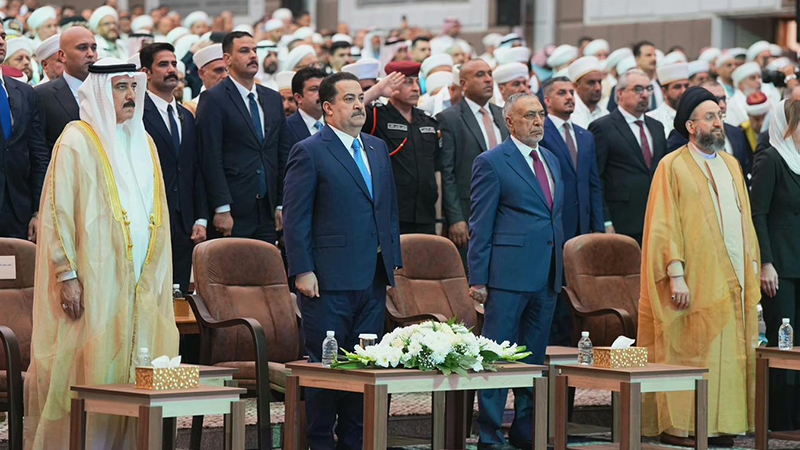
Prime Minister Sudani has positioned himself as a figure of compromise. Known for his efforts to mediate between opposing parties, his leadership is increasingly seen as vital to preventing a full-blown political crisis. Extending his term could reinforce continuity in governance and allow him to push forward key economic and security initiatives.
Sudani’s administration has been credited with navigating Iraq through challenging periods, from economic reform measures to managing tensions with neighboring countries. Maintaining his leadership, even temporarily, could offer a sense of reassurance to both citizens and international partners concerned about Iraq’s stability.
Domestic and International Implications
The decision to extend Sudani’s term is likely to have broad implications. Domestically, it could help reduce political friction by allowing factions more time to negotiate, potentially paving the way for a stronger, more unified government. It may also provide an opportunity to focus on urgent national issues such as economic recovery, employment, and infrastructure development.
Internationally, stability in Iraq is closely monitored by neighboring states and global powers. An extended term for Sudani could signal continuity in foreign policy and reassure investors, diplomats, and international organizations that Iraq remains committed to stability and progress. Conversely, failure to resolve the political impasse could raise concerns over governance and security, impacting the country’s international standing.
Challenges and Criticisms
Despite the potential benefits, extending the term is not without controversy. Critics argue that it may delay the formation of a fully representative government and could be seen as a temporary fix rather than a long-term solution. There are also concerns that it may reinforce the perception of political favoritism or undermine democratic processes if handled without transparency.
Political analysts emphasize that any extension must be carefully structured, with clear timelines and agreed-upon goals. Transparency and communication with the public will be crucial to ensure that the move strengthens rather than weakens confidence in Iraq’s institutions.
Looking Ahead: A Path Toward Consensus
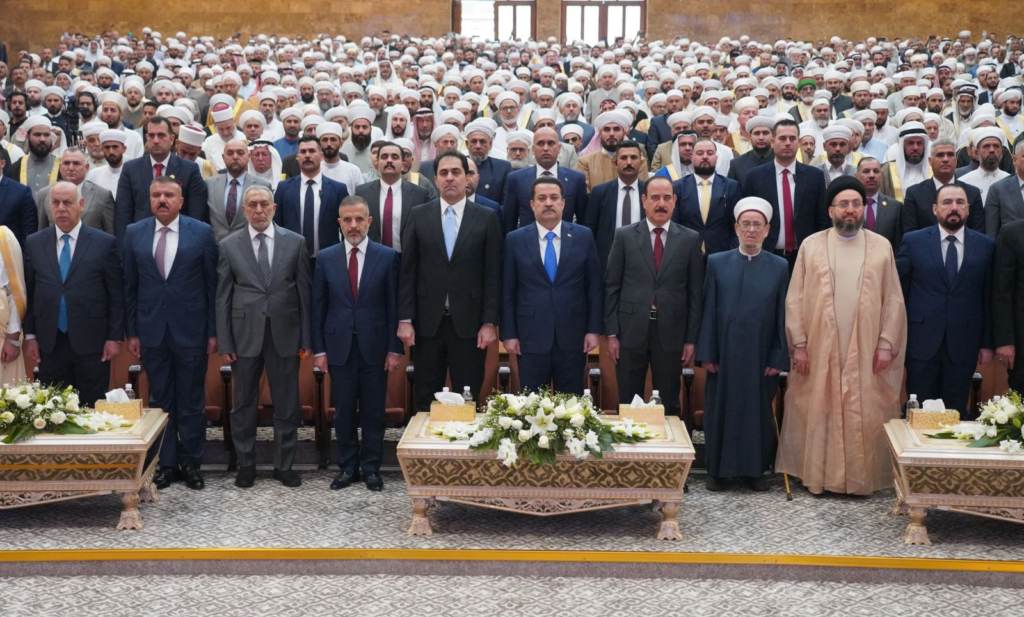
The coming weeks are expected to be decisive for Iraq. Lawmakers and political leaders are under pressure to navigate the deadlock with prudence and foresight. Extending Sudani’s term could serve as a stabilizing measure, but it must be accompanied by concrete steps toward broader political agreement and reform.
Many experts suggest that this period could be an opportunity to strengthen Iraq’s democratic framework, improve governance, and build trust between political factions. If managed effectively, the extension could pave the way for a more resilient government that is capable of addressing both domestic and international challenges.
The Iraqi public, weary from months of uncertainty, remains hopeful that their leaders will prioritize unity, stability, and progress. Extending Sudani’s term might not be the ultimate solution, but it could serve as a crucial bridge toward a stronger, more cohesive political landscape.
Conclusion
Iraq stands at a pivotal juncture. The proposal to extend Prime Minister Sudani’s term reflects both the urgency of breaking the political deadlock and the desire for continuity amid uncertainty. While challenges remain, careful management, transparent processes, and a commitment to consensus-building can turn this temporary measure into an opportunity for lasting stability. For Iraq, the decisions made now will shape the nation’s political and social trajectory for years to come.
Do Follow Gulf Magazine on Instagram
Read More:- Iran Turns to Oman for Breakthrough Amid Nuclear Talks Deadlock 2026

