


Iraq has entered a defining moment in its democratic journey as the Supreme Court officially certified the results of the 2025 national elections. The decision marks the legal and constitutional conclusion of the electoral process, transforming millions of votes into a legitimate mandate for governance. For citizens across the country, this certification is more than a procedural step. It represents clarity, closure, and the beginning of a new political phase shaped by public participation.
The court’s announcement was closely watched both domestically and internationally. In a nation where elections often carry high expectations as well as deep emotions, the final word from the judiciary plays a critical role in calming tensions and reinforcing trust in institutions. With the results now validated, Iraq stands ready to move forward with government formation and policy direction.
What Certification by the Supreme Court Means
The Legal Seal on the Election Process
Certification by the Supreme Court is the final and most decisive step in Iraq’s electoral framework. It confirms that the voting process, counting, and handling of disputes have met constitutional standards. Once certified, the results become legally binding and cannot be challenged further through judicial means.
For voters, this step ensures that their voices have been formally recognized. For political parties and candidates, it brings certainty after weeks of anticipation, negotiations, and legal scrutiny. It also signals that the institutions tasked with safeguarding democracy have fulfilled their responsibilities.
A Moment of Institutional Confidence
In recent years, Iraq has worked to strengthen the independence of its judiciary and electoral bodies. The Supreme Court’s role in certifying the election outcome reinforces the idea that disputes are resolved through law rather than confrontation. This moment helps build confidence not just in the election itself, but in the broader system that governs political transitions.
Inside the 2025 Election Landscape
High Stakes and Public Expectations
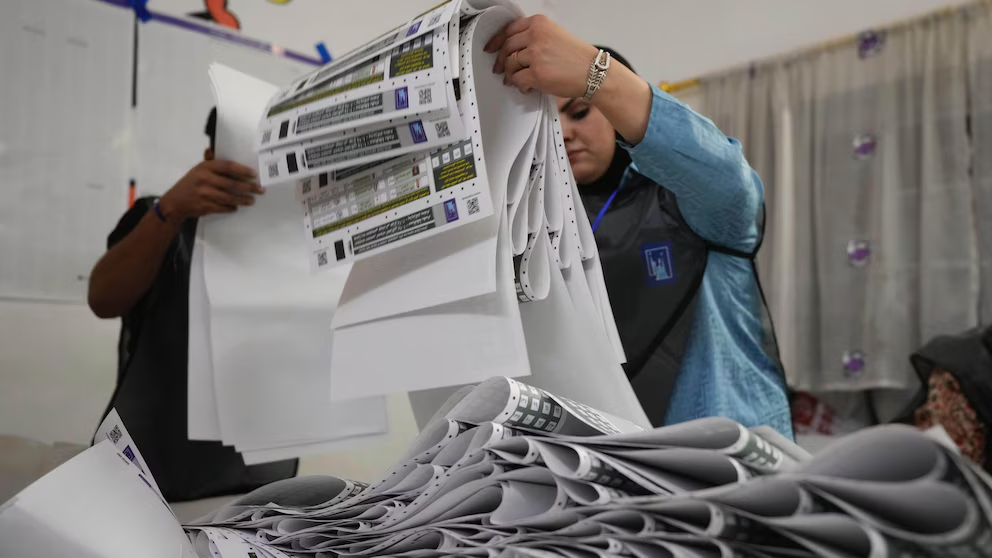
The 2025 elections were held against a backdrop of economic challenges, public demands for reform, and ongoing debates about governance and accountability. For many Iraqis, voting was seen as a chance to influence the direction of the country and push for leadership that reflects their everyday concerns.
Turnout levels, campaign narratives, and the diversity of candidates all reflected a society deeply engaged with its political future. The certification of results now validates that engagement and turns campaign promises into governing responsibilities.
Political Diversity and Representation
One of the defining features of the election was the wide range of political forces involved. Established parties, emerging movements, and independent candidates all competed for public support. This diversity underscores a political environment that, while complex, allows multiple voices to be heard.
With the results certified, attention now shifts to how these different groups will work together, negotiate alliances, and represent their constituents within the framework of the new parliament.
The Role of the Supreme Court in Safeguarding Democracy
Reviewing Challenges and Complaints
Before certification, the Supreme Court examined appeals and complaints related to the election process. These reviews are essential in ensuring transparency and fairness. By addressing concerns through legal channels, the court helps prevent uncertainty from spilling into the streets or undermining public trust.
The completion of this process sends a clear message that grievances can be handled within the system, reinforcing respect for the rule of law.
Upholding the Constitution
The court’s decision is grounded in Iraq’s constitution, which defines the boundaries of power and the responsibilities of state institutions. By certifying the results, the Supreme Court affirmed that the elections were conducted within those constitutional limits, strengthening the legitimacy of the incoming political leadership.
What Happens Next in Iraq’s Political Process
Formation of the New Parliament
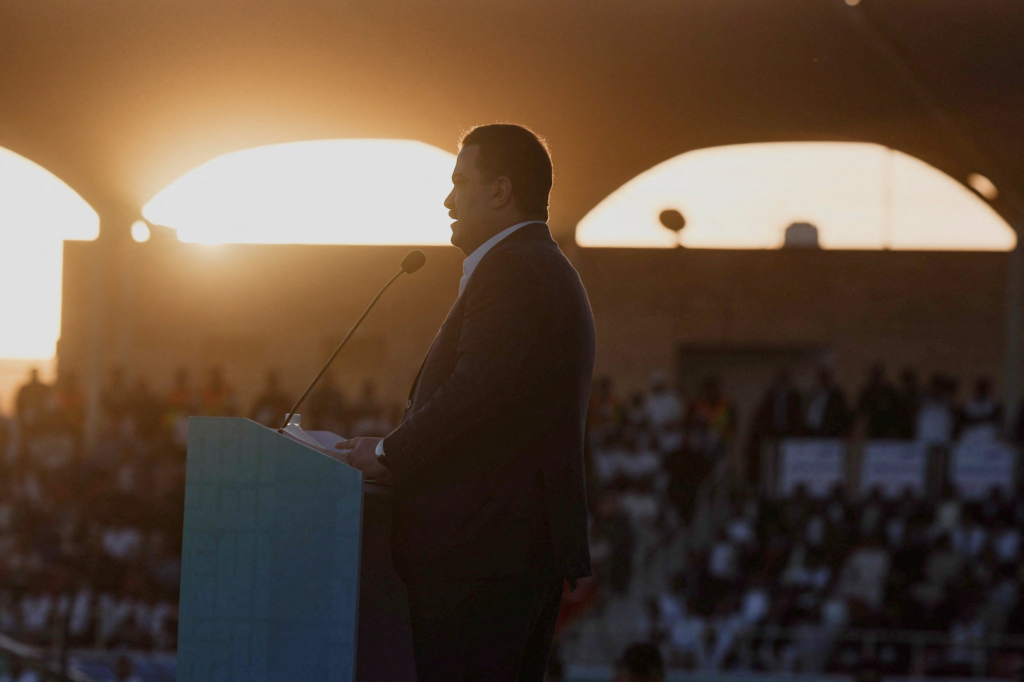
With the election results officially recognized, the next step is the seating of the new parliament. Members will take their oaths, leadership positions will be elected, and parliamentary committees will begin their work. This phase is crucial, as it sets the tone for cooperation or competition among political blocs.
The public will be watching closely to see whether representatives prioritize national interests and effective governance over narrow political gains.
Government Formation and Leadership Choices
Following the establishment of parliament, attention will turn to forming a new government. This process often involves negotiations, coalition-building, and compromise. The choices made during this period will shape Iraq’s policy priorities, from economic reform to public services and foreign relations.
For citizens, this is the moment when election outcomes translate into tangible leadership and decision-making.
Public Reaction and National Mood
A Sense of Relief and Anticipation
For many Iraqis, the certification of results brings a sense of relief. Elections can be periods of uncertainty, and a clear, authoritative conclusion allows people to refocus on daily life and future expectations. At the same time, there is anticipation about what the new political chapter will deliver.
People across cities and rural areas alike are hopeful that their participation will lead to meaningful improvements in governance, employment, and stability.
Calls for Accountability and Action
Certification also marks the start of accountability. With legitimacy confirmed, elected officials are now expected to act on their promises. Civil society groups, media, and ordinary citizens are likely to keep a close watch on how leaders perform in office.
This ongoing engagement is a vital part of a healthy democratic culture, ensuring that elections are not just events, but part of a continuous process of representation.
Regional and International Significance
Stability Through Constitutional Process
Iraq’s ability to complete its electoral cycle through constitutional means sends a positive signal to the region. In a landscape often marked by political uncertainty, the peaceful certification of results highlights the importance of institutions and legal frameworks in managing change.
This development strengthens Iraq’s standing as a state committed to orderly political transitions.
Building Confidence With Global Partners
International observers and partners often view certified elections as a benchmark of political stability. With the Supreme Court’s decision, Iraq reinforces its image as a country moving forward through lawful and democratic processes. This can have positive implications for diplomatic relations, economic cooperation, and international support.
Challenges That Remain Ahead
Turning Legitimacy Into Effective Governance
While certification provides legitimacy, it does not automatically solve long-standing challenges. Economic pressures, public service delivery, and social cohesion remain pressing issues. The true test for the newly elected leadership will be how effectively it addresses these concerns.
Citizens will measure success not by legal decisions alone, but by real improvements in their lives.
Maintaining Public Trust Beyond Elections
Trust is built over time through consistent action. The period following certification is critical for maintaining the confidence generated by the election process. Transparent decision-making, inclusive dialogue, and visible progress will be essential in sustaining public belief in democratic institutions.
A Defining Moment for Iraq’s Democratic Journey
The Supreme Court’s certification of the 2025 election results marks a clear and confident step forward for Iraq. It closes one chapter of civic participation and opens another of responsibility and leadership. For voters, it confirms that their voices matter. For leaders, it sets the stage for action under the watchful eyes of the public.
As Iraq moves into this new phase, the hope is that constitutional processes, institutional strength, and citizen engagement will continue to guide the country toward greater stability and shared progress.
Do Follow Gulf Magazine on Instagram
Read More:- PM Modi’s Three-Nation Tour Signals a Confident New India Oman 2025

