

Iraq, a country rich in culture and history, faces significant challenges regarding electricity supply, especially during the holy month of Ramadan. As families gather to break their fast, the demand for electricity surges, highlighting the existing inefficiencies and infrastructural issues. Understanding Iraq’s Ramadan electricity supply challenges and solutions is vital for ensuring that communities can observe this sacred time with comfort and dignity.
The Strain of Ramadan on Iraq’s Electricity Supply
Every year during Ramadan, the electricity demands in Iraq increase dramatically. The evening meal known as Iftar signals the end of the day’s fast, and it also triggers a rush in energy consumption. Households across the nation require electricity for cooking, lighting, and cooling, leading to an overwhelming strain on an already fragile power grid.
This surge in demand often results in power outages, leaving families in darkness during one of the most cherished times of the year. The electricity supply challenges stem from a combination of outdated infrastructure, insufficient generation capacity, and ongoing political and economic instability.
Understanding the Root Causes of Electricity Supply Issues
Several factors contribute to Iraq’s electricity supply challenges, especially during Ramadan.
Aging Infrastructure
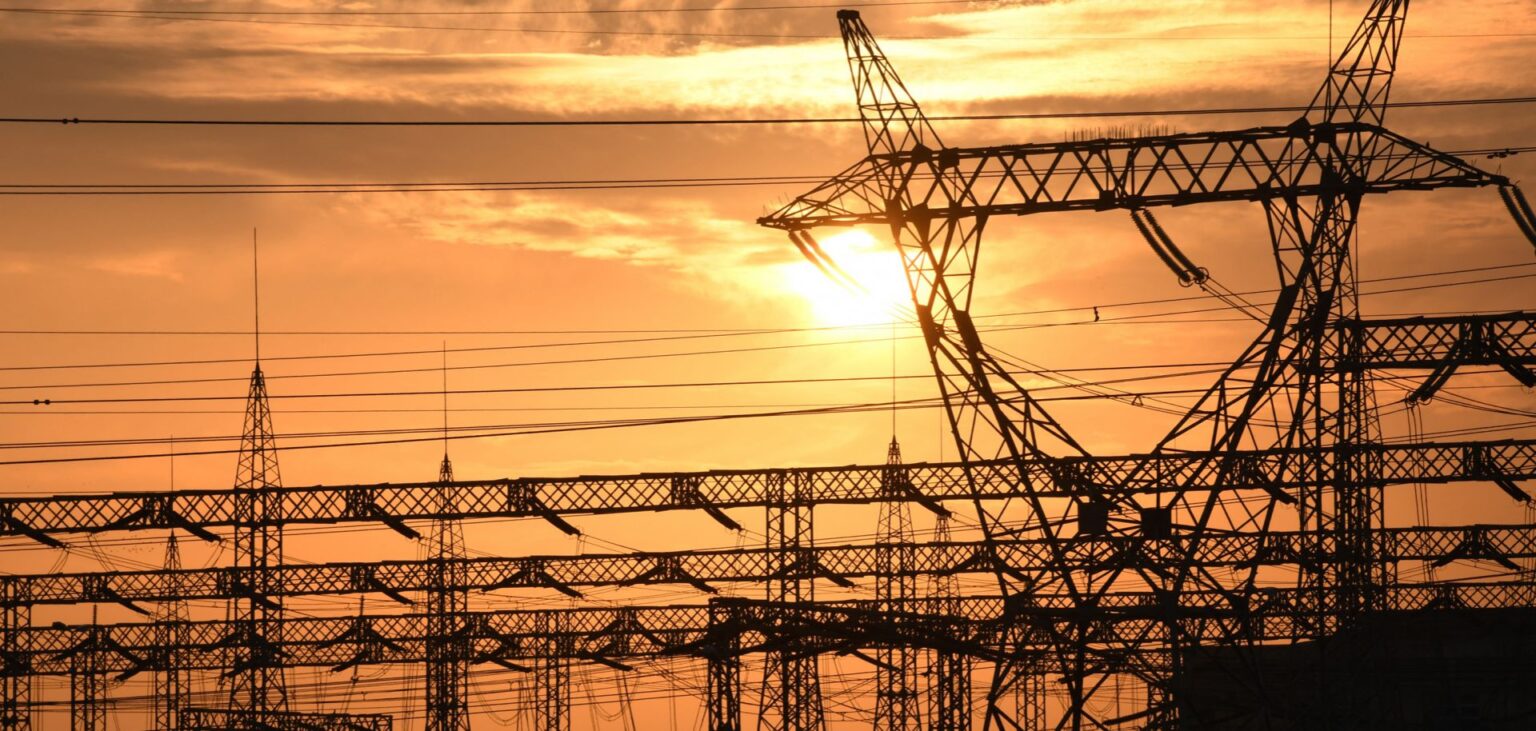
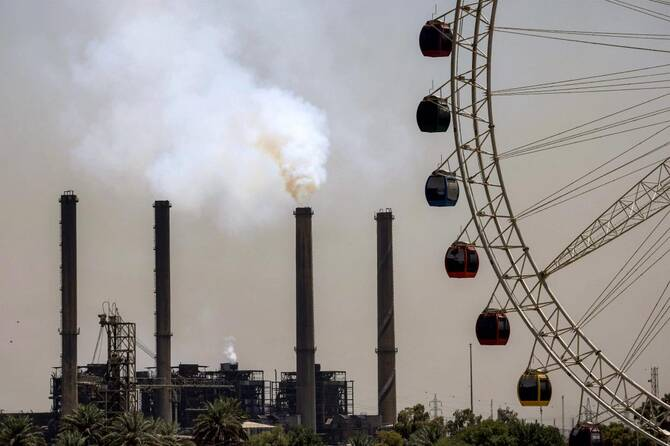
Much of Iraq’s electricity infrastructure is outdated and in dire need of repair. Power stations that were built decades ago struggle to meet the current needs of the population. The lack of investment in modern technology and maintenance exacerbates the situation, making it difficult to increase output during peak demand periods.
Insufficient Generation Capacity
Iraq’s power generation capacity has historically been unable to keep pace with the growing population. The gap between supply and demand widens during Ramadan when people rely heavily on electricity for their evening meals.
Political and Economic Instability
The political climate in Iraq has a direct impact on the energy sector. Ongoing conflicts and economic issues hinder investment in the electricity infrastructure, leading to persistent supply challenges. This instability complicates efforts to implement effective solutions that could alleviate problems during the holy month.
The Social Impact of Electricity Supply Challenges
The challenges surrounding electricity supply during Ramadan extend beyond mere inconvenience. The emotional and social ramifications are profound, affecting how families experience the holy month.
Disrupted Traditions
Ramadan is a time for family gatherings and community bonding. Frequent power outages disrupt these traditions, leaving families frustrated and anxious. The inability to prepare meals or enjoy the warmth of shared moments diminishes the spirit of this sacred month.
Health and Safety Concerns
Inadequate electricity supply can lead to safety hazards, particularly in the kitchen. Families may resort to alternative cooking methods that are not only unsafe but can also compromise health. The lack of cooling systems during hot evenings can exacerbate health issues, particularly for vulnerable populations such as the elderly and children.
Potential Solutions to Improve Electricity Supply
While the challenges are significant, there are several potential solutions that could enhance electricity supply during Ramadan and beyond.
Investment in Renewable Energy
One promising solution lies in investing in renewable energy sources such as solar and wind power. Iraq, with its abundant sunlight, has the potential to harness solar energy to supplement its electricity supply, especially during peak demand times like Ramadan.
Upgrading Infrastructure
Modernizing the electricity infrastructure is crucial to improving the reliability of power supply. This includes refurbishing old power plants, expanding the grid, and implementing advanced technologies that enhance efficiency.
Policy Reforms and Stability
Stability in governance and policy reforms can attract foreign investments needed to revitalize the energy sector. A collaborative approach involving government, private sector, and international partners can pave the way for sustainable improvements.
Community Initiatives and Local Solutions
In addition to large-scale solutions, grassroots initiatives can also play a significant role in addressing electricity supply challenges.
Community Awareness Programs
Educating communities about energy conservation can help mitigate the strain on the electricity grid. Simple changes in usage patterns, such as reducing consumption during peak hours, can have a substantial impact.
Local Renewable Projects
Communities can explore small-scale renewable energy projects that allow them to generate electricity independently. These initiatives not only provide a solution during Ramadan but can also foster economic development and job creation.
The Path Forward: A Collective Effort
Addressing Iraq’s Ramadan electricity supply challenges requires a multifaceted approach involving government action, community engagement, and investment in sustainable solutions. By prioritizing infrastructure upgrades, exploring renewable energy options, and fostering community initiatives, Iraq can work towards a more reliable and resilient electricity supply.
The Role of the International Community
The international community can play a supportive role by providing technical expertise, funding, and best practices to help Iraq overcome its electricity challenges. Collaborative efforts can lead to long-term solutions that enhance the quality of life for millions during Ramadan and throughout the year.
Conclusion: A Brighter Future for Ramadan in Iraq
As Iraq navigates its electricity supply challenges, especially during Ramadan, it is essential to focus on sustainable solutions that meet the needs of families and communities. By combining government reforms, community initiatives, and investment in renewable energy, Iraq can create a more reliable electricity supply system. This transformation is not just about power; it’s about preserving the cherished traditions and values of Ramadan.
With determination and collaboration, Iraq can look forward to a future where families gather in comfort and joy, truly celebrating the spirit of this holy month.
Do follow Gulf Magazine on Instagram.
Also Read – Bahrain’s Ramadan Food-Safety Inspections and Regulations

