

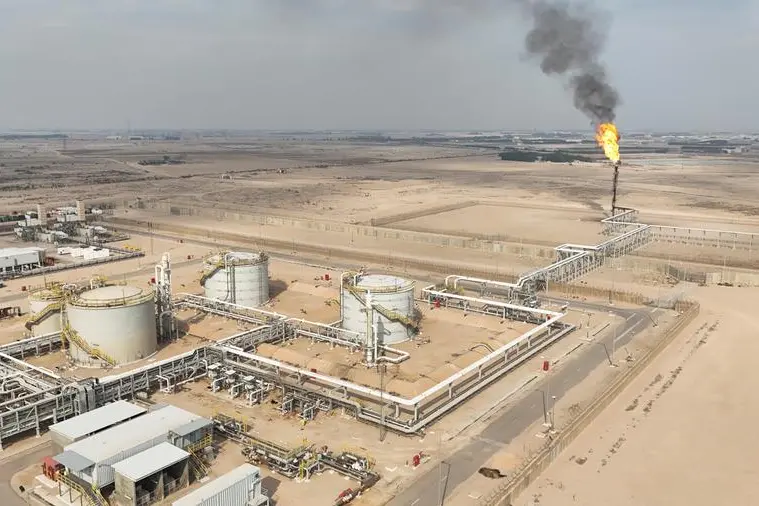
Iraq has officially reached a significant milestone in its energy sector, achieving full refining capacity across its newly developed plants. This achievement marks a pivotal moment for the nation’s economy and energy independence, positioning Iraq as a key player in the global oil market.
The completion of these new refining facilities not only enhances domestic production but also strengthens Iraq’s ability to meet both internal demand and international export needs. By achieving full capacity, Iraq demonstrates its commitment to modernizing infrastructure and fostering sustainable growth in the energy sector.
Modernization of Iraq’s Refining Infrastructure
Over the past decade, Iraq has invested heavily in modernizing its oil refining infrastructure. Aging plants were either upgraded or replaced with state-of-the-art facilities capable of processing a higher volume of crude oil with greater efficiency.
These new plants incorporate advanced technologies that reduce energy consumption, lower emissions, and improve the quality of refined products. With a combination of upgraded equipment and optimized operational procedures, Iraq’s refining sector now operates at peak efficiency, reducing bottlenecks and ensuring a steady supply of fuel and petrochemical products.
Economic Implications of Full Refining Capacity
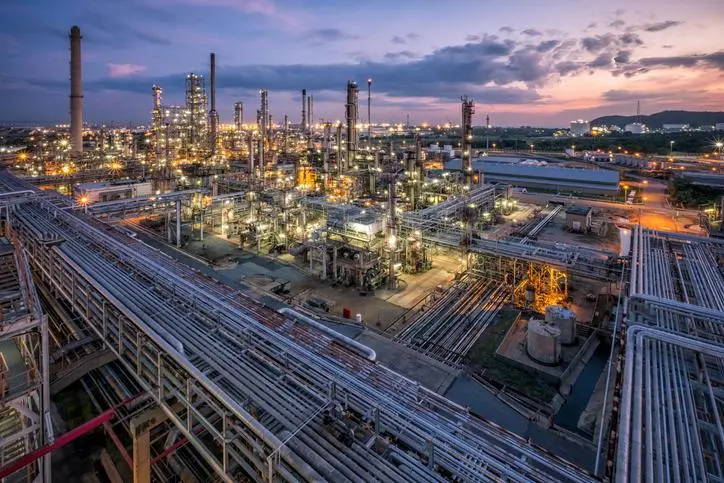
Achieving full refining capacity carries significant economic benefits for Iraq. By processing more crude oil domestically, the country can reduce its reliance on imported petroleum products, saving substantial foreign currency and strengthening the national economy.
Additionally, surplus refined products provide an opportunity for Iraq to increase exports, generating additional revenue streams. This boost in production and export potential not only improves trade balances but also creates new employment opportunities in the energy sector and associated industries.
Strengthening Energy Security
Full refining capacity also enhances Iraq’s energy security. With more domestic output of gasoline, diesel, and other petroleum products, Iraq can better stabilize fuel supplies and prevent shortages that have historically disrupted daily life.
This development ensures that critical sectors, including transportation, manufacturing, and power generation, receive a reliable and consistent energy supply. In the long term, Iraq’s strengthened energy security will support broader economic stability and resilience against global oil market fluctuations.
Environmental and Technological Advancements
The new plants incorporate environmentally friendly practices, including cleaner production methods and advanced waste management systems. These innovations aim to reduce the environmental footprint of oil refining while maintaining high levels of efficiency.
Technological integration allows for real-time monitoring and optimization of production processes, minimizing operational errors and enhancing safety standards. This approach not only boosts productivity but also aligns Iraq with global standards for responsible energy production.
Job Creation and Community Impact
The development of new refining plants has a direct positive impact on local communities. The construction and operation of these facilities have created thousands of jobs, ranging from skilled engineering positions to support and administrative roles.
Furthermore, the improved infrastructure has ripple effects on local businesses and service providers, driving regional economic growth. Communities benefit not just from employment but also from enhanced energy availability, which fuels development in transportation, industry, and public services.
Iraq’s Growing Global Energy Role
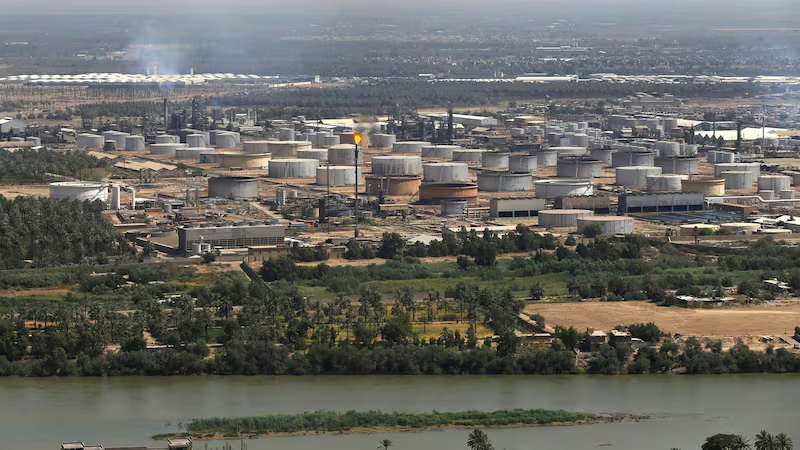
With these new capacities, Iraq is better positioned on the global stage as a reliable oil producer and exporter. Meeting both domestic and international demand strengthens its reputation and opens doors to new partnerships with energy-importing nations.
The country’s ability to consistently deliver high-quality refined products ensures that Iraq remains competitive in a rapidly evolving global energy market. This success story also highlights Iraq’s potential for further investments in energy diversification and modernization initiatives.
Future Outlook for Iraq’s Energy Sector
Looking ahead, Iraq aims to expand its refining capabilities even further. Plans are underway to explore additional refineries and upgrade existing facilities, leveraging technological innovation to maximize efficiency and sustainability.
By maintaining momentum, Iraq can continue to increase energy independence, enhance economic stability, and provide reliable energy supplies to its citizens. This trajectory signals a promising future for the country’s energy landscape, offering both domestic and international benefits.
Conclusion
Iraq’s achievement of full refining capacity across new plants represents a transformative step for the nation. It reflects a successful combination of strategic investment, technological advancement, and dedicated workforce efforts.
Beyond boosting the economy, this milestone strengthens energy security, supports local communities, and positions Iraq as a formidable player in the global oil market. As the country continues to develop its energy infrastructure, the benefits of this achievement will resonate for years, ensuring a brighter and more sustainable future for Iraq and its people.
Do Follow Gulf Magazine on Instagram
Read More:- Qatar Tourism Soars in 2026 With Global Flights and Exciting Events

