

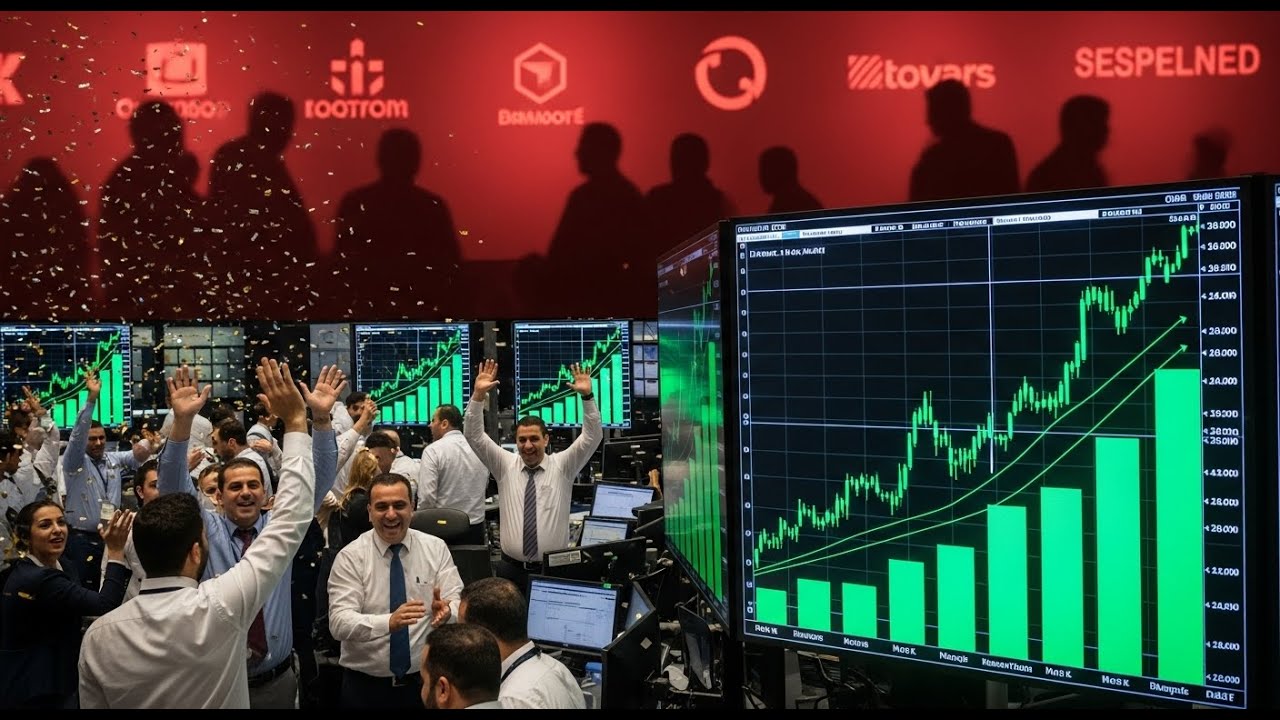
Iraq is at a crossroads. Once buoyed by oil wealth and hopeful political transitions, the country now faces a growing alarm: a top expert warns that its economy may be nearing a catastrophic breaking point. Far from mere turbulence, what is unfolding could reshape the nation’s future for better or worse.
The warning is stark. Analysts now point to a confluence of rising debt, weakening oil revenues, ballooning public spending, and political instability that threaten to push Iraq into a deep economic crisis. Yet, amid the bleak outlook, this turning point also offers a chance for bold reform, renewed growth, and a stronger more resilient Iraq.
What’s Driving the Crisis Multiple Pressures Converge
A major factor behind Iraq’s fragility is its overwhelming dependence on oil. For decades, crude exports have been the backbone of national income. But recent drops in global prices, coupled with lower production capacity, are squeezing revenues. As oil income falls, the government struggles to fund basic services, pay salaries, and invest in infrastructure.
Compounding the challenge is the country’s mounting public debt. Years of ambitious spending on reconstruction, coupled with inefficient subsidy systems, have pushed Iraq deep into borrowing. The interest burden now eats up a growing share of the budget, limiting fiscal flexibility.
Political dysfunction also plays a huge role. Without stable competent governance, essential reforms such as diversifying the economy, attracting foreign investment, and cleaning up corruption remain half baked or frozen. Frequent leadership changes and street protests have sapped confidence, both within Iraq and among potential international partners.
Inflation and rising living costs are hitting ordinary Iraqis hard. Food, electricity, and basic goods are becoming increasingly expensive. Unemployment, especially among youth, is rising. When people are worried about day to day survival, long term economic plans can feel distant and abstract.
The Human Impact Lives Under Strain
Behind the numbers lie real people, grappling with this economic squeeze. Families who once hoped for stability now face uncertainty. Many parents fear for their children’s prospects jobs are harder to come by, and even basic education and health services are under pressure. Public sector workers worry whether their salaries will sustain rising living costs, and small business owners are threatened by falling demand and tighter credit.
The psychological toll is also rising. When citizens see their leaders unable to fix monetary and fiscal problems, frustration grows. Protests, once episodic, are becoming more frequent, more organized, and more forceful. Some Iraqis are calling for radical change, demanding fresh leadership, transparency, and an economy that works for everyone not just the elite.
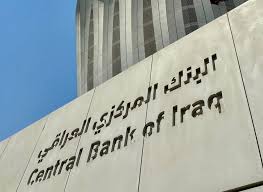
The Turning Point Why Now Is Critical
This moment could be Iraq’s inflection point. The expert’s warning is not just a harbinger of doom it is a wake up call. Without timely action, the risks include debt default, a collapse of public services, and even political breakdown. But with decisive reforms, there is a chance to steer toward recovery.
Here lies an urgent opportunity to reshape Iraq’s future: to pivot away from oil dependency, incentivize private enterprise, and strengthen institutions. If leaders seize this chance, Iraq could emerge more stable, more diversified, and more prosperous.
Pathways to Recovery Bold Reforms That Can Change Everything
To avoid collapse and capitalize on this moment, Iraq needs to embrace a number of strategic reforms:
Economic Diversification
Iraq must break its oil dependency by investing heavily in other sectors: agriculture, technology, renewable energy, and tourism. By supporting small and medium enterprises, catalyzing entrepreneurship, and fostering innovation, the country can build a more balanced and sustainable economic base.
Fiscal Discipline and Debt Management
Reducing wasteful public spending and restructuring debt are essential. The government should prioritize spending on education, health, and infrastructure areas that deliver long term value while cutting back on inefficient subsidies and ghost programs. Transparent budgeting and disciplined borrowing can reduce vulnerability.
Institutional Strengthening
Stable institutions are the backbone of any thriving economy. Iraq needs to invest in governance reforms: enforce anti corruption laws, streamline bureaucratic processes, and ensure meritocracy in public appointments. A stronger rule of law will boost business confidence and attract foreign investors.
Attracting Foreign and Domestic Investment
To unlock capital, Iraq needs to create a friendlier investment climate. That means simplifying licensing, protecting property rights, and offering incentives for greenfield projects. Partnerships with foreign firms especially in non oil sectors can bring in expertise, technology, and financial resources.
Social Safety Nets and Human Capital
As reforms roll out, Iraq must protect its most vulnerable citizens. Strengthening social safety nets, expanding unemployment support, and improving access to education and healthcare will help cushion shocks and enable broader participation in recovery. Investing in human capital is not just moral it’s smart economics.
Energy Transition and Sustainability
Given the global shift toward renewables, Iraq has a historic opportunity. By harnessing solar and wind energy, it can reduce reliance on oil, create new industries, and mitigate environmental risks. A green transition will also attract climate conscious investors and international aid.
The Silver Lining Why Hope Isn’t Lost
Despite the dire warnings, there is reason for cautious optimism. Iraq has a number of strengths that could help it turn the corner:
- Natural Resources: Beyond oil, Iraq has fertile agricultural lands and untapped potential in solar energy
- Human Capital: A young population offers tremendous potential, if properly educated and employed
- Strategic Location: Iraq’s position in the Middle East makes it a natural hub for trade and logistics
- International Interest: Many global players see Iraq’s reform window as a moment to invest and support growth
If Iraq seizes the moment to reform wisely, it could build a more resilient, inclusive, and diversified economy one that works not just for its elite, but for all its citizens.
Risks and Pitfalls on the Road Ahead
Of course, the path forward is fraught with challenges. Reforms are politically risky. Powerful interests may resist change especially if it threatens entrenched benefits. Corruption is deeply rooted, and building trust will take time and sincerity.
Foreign investors may remain wary until they see concrete reforms and stable policies. Economic shocks like volatile oil prices or regional instability could derail progress. Implementing social programs in a fragile fiscal environment might stretch resources.
Moreover, reform itself can be painful. Cutting subsidies or public spending may provoke backlash, protest, or unrest. The government must balance urgent fiscal discipline with the need to protect vulnerable populations.
A Call to Leadership Urgency Meets Opportunity
This is not a moment for paralysis. Iraq’s leaders political, civic, and business must come together with vision, courage, and humility. They must articulate a clear, long term plan to reform, diversify, and invest in the nation’s future.
Citizens, too, have a role: to demand accountability, to support reform minded leadership, to stay engaged in civic processes, and to believe in a better Iraq. Civil society, activists, and young people can help sustain momentum for change.
International partners governments, multinationals, development agencies also must step up, offering technical help, financing, and long term commitment. But they must do so in ways that respect Iraq’s sovereignty and empower local capacity.
What Recovery Could Look Like A Brighter Future
Imagine Iraq in five to ten years: a more diversified economy, where energy comes not only from oil but from wind and sun. A thriving network of small businesses energizes regional towns. Young people, educated and skilled, participate in a dynamic labor market. Public services education, health, transport are improving. Debt is managed carefully, and Iraq’s budget is more transparent and sustainable.
In this future, Iraq is not just stable it’s flourishing. It is an economy that no longer trembles with every drop in oil prices but stands on pillars of innovation, inclusivity, and resilience.
This turning point though dangerous could become Iraq’s rebirth. The expert’s warning should not just raise alarm, but also ignite hope.
Conclusion Seize the Moment Before It Slips
Iraq’s economy may be nearing a breaking point, but that breaking point could also be a breakthrough. The challenges are real, deep, and urgent but so is the opportunity for change.
If leaders act boldly, citizens stay engaged, and reform becomes both policy and purpose, Iraq has a real shot at rewriting its future. The road will not be easy, but the prize a diversified, stable, and flourishing economy is worth fighting for.
This moment demands courage, unity, and vision. Iraq’s future depends on what it chooses now.
Do follow Gulf Magazine on Instagram.
Also Read – Iraq Must Stay Positive Ahead of World Cup Playoffs, Says Arnold

